
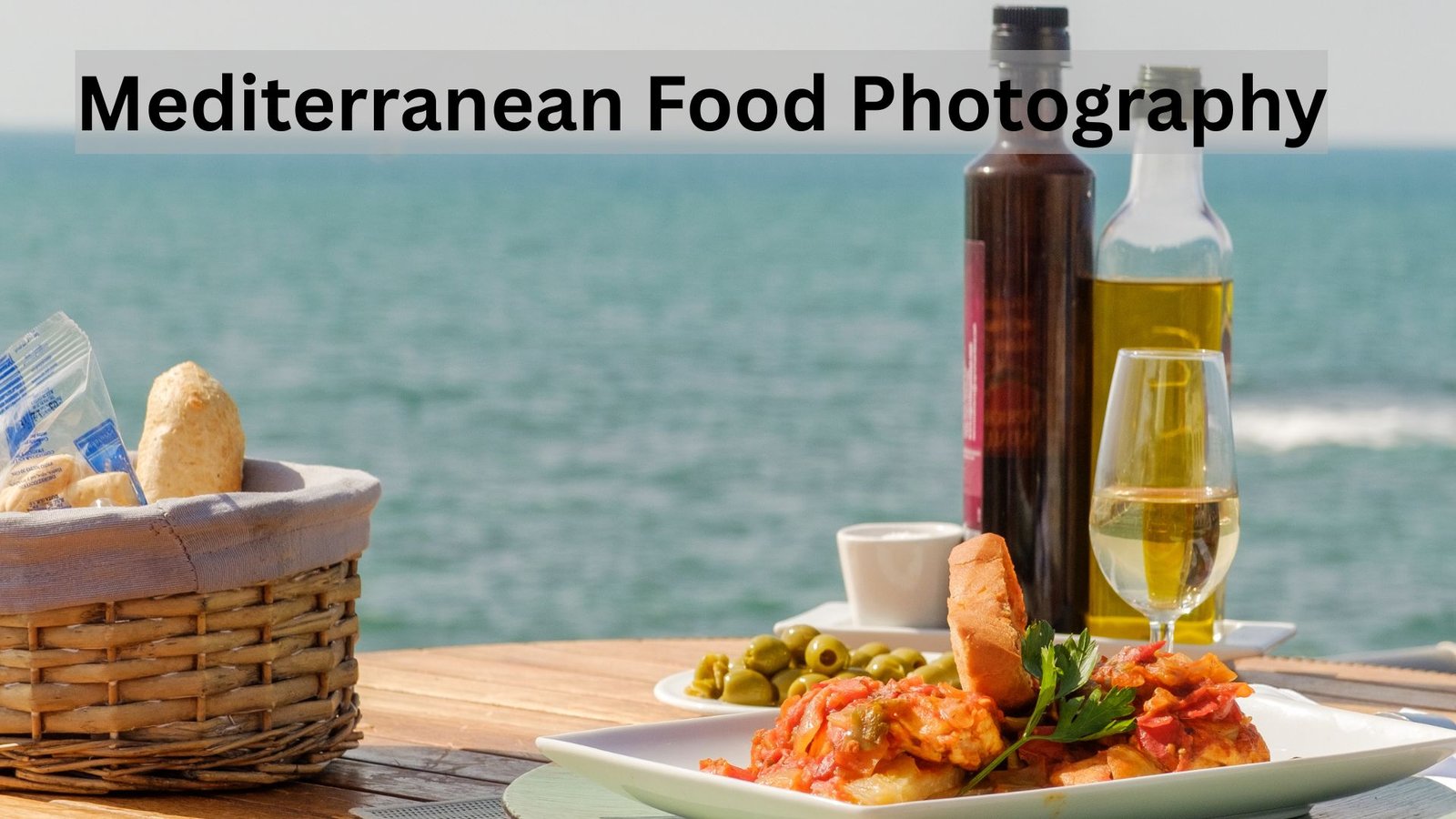
Mediterranean cuisine is not just about flavor; it’s about vibrant colors, fresh ingredients, and the art of presentation. Whether it’s a bowl of Greek salad, a plate of seafood pasta, or a mezze platter, Mediterranean dishes naturally lend themselves to beautiful photography. If you’re passionate about capturing these culinary delights, Mediterranean Food Photography is an exciting field that combines creativity, technical skill, and a love for food. In this article, we’ll take you from the basics of styling your dishes to mastering the art of taking pictures that make people’s mouths water.
Understanding Mediterranean Food Photography
When it comes to Mediterranean Food Photography, the first step is understanding the essence of the cuisine. Mediterranean food is known for its bright colors, fresh vegetables, rich oils, and unique textures. Think of deep red tomatoes, glossy green olives, golden olive oil, and soft, creamy cheeses. These colors and textures make it easier to create visually appealing images.
Capturing the essence of Mediterranean food is not just about snapping pictures; it’s about storytelling. Each dish has a story, whether it’s a family recipe passed down for generations or a modern twist on traditional flavors. By emphasizing the textures, colors, and arrangement of the food, you allow viewers to feel a connection with the dish even before tasting it.
Lighting plays a significant role in Mediterranean Food Photography. Natural light is ideal, as it brings out the vibrancy of the ingredients. A soft, diffused light from a nearby window can enhance the freshness of vegetables and highlight the glossy surfaces of olive oil or seafood. Harsh overhead lighting can create unwanted shadows, so aim for soft, angled light to make your dishes pop.
Styling Your Mediterranean Dishes
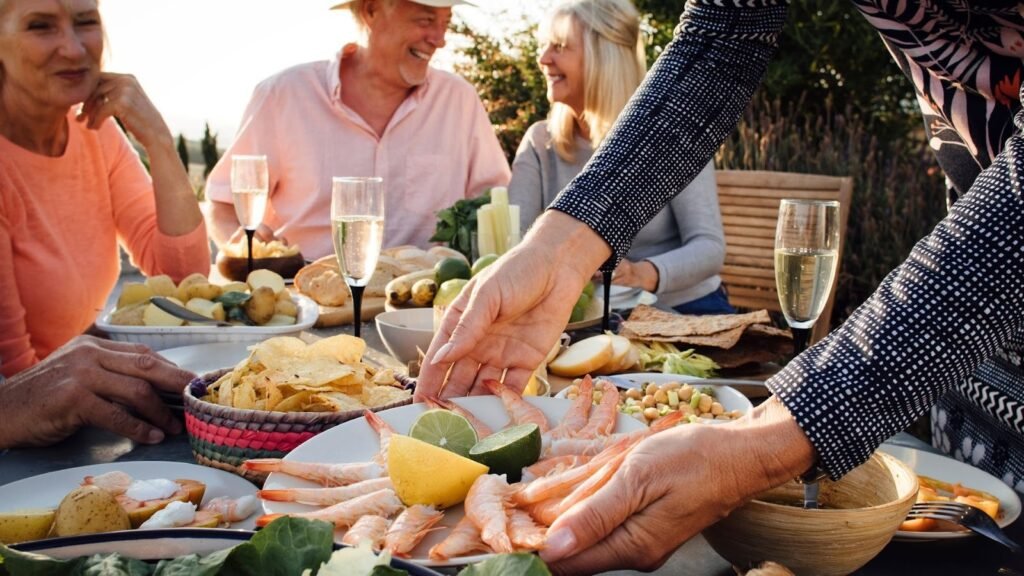
Styling is where your creativity shines. In Mediterranean Food Photography, the arrangement of the dish should look natural yet intentional. Start by choosing a focal point, such as a beautifully roasted piece of chicken, a colorful salad, or a platter of fresh seafood. Surround it with complementary ingredients like lemon wedges, fresh herbs, or olives to add layers and depth.
The choice of plates and utensils also matters. Rustic wooden boards, ceramic bowls, or white plates can provide a clean backdrop that allows the food’s colors to stand out. Avoid overly ornate dishes that might distract from the main subject. Textures, such as a linen napkin or a woven placemat, can enhance the storytelling without stealing focus.
Another important aspect is props. Fresh ingredients, small bowls of olive oil, spices, or a glass of wine can create context and a Mediterranean atmosphere. However, be careful not to overcrowd the frame. Minimalism often works best, letting the food be the star of your Mediterranean Food Photography.
Choosing the Right Equipment
While professional cameras are excellent, you don’t need a high-end DSLR to get started. Many smartphones today have advanced camera systems capable of taking stunning Mediterranean Food Photography shots. The key is understanding composition, lighting, and focus.
A tripod is highly recommended for stability, especially when shooting in low light or using slow shutter speeds. It also allows you to experiment with angles and framing without worrying about camera shake. Lenses can make a difference too; a macro lens helps capture the intricate details of herbs, seeds, or textured foods, while a standard 50mm lens works well for plating shots.
Post-processing is equally important. Even the best shot can benefit from adjustments to brightness, contrast, saturation, and sharpness. Editing tools can bring out the natural colors of Mediterranean ingredients, enhancing the appeal of your dishes. For professional results, you can check out aitinsider’s Image Editing services to refine your images and make them social-media-ready or portfolio-worthy.
Composition and Angles
Composition is one of the most crucial aspects of Mediterranean Food Photography. The way you frame your shot can transform an ordinary dish into an extraordinary visual story. Start with the basics: the rule of thirds, leading lines, and negative space. Placing your main subject slightly off-center creates a more dynamic image than centering everything perfectly.
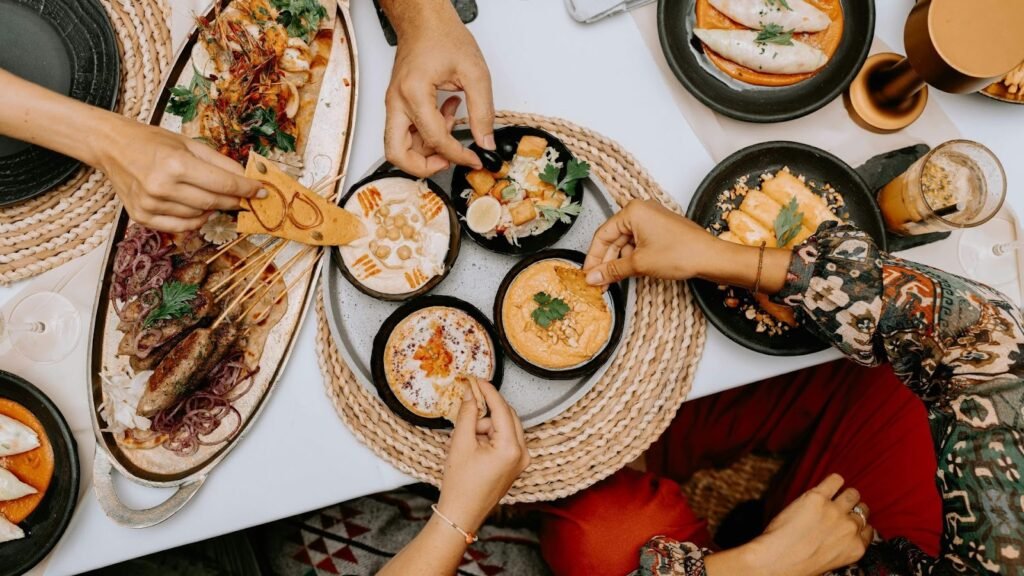
Angles matter too. Overhead shots are perfect for flat dishes like pizzas, salads, or mezze spreads, giving a clear view of all the elements on the plate. A 45-degree angle works well for stacked foods, sandwiches, or layered dishes, providing depth and perspective. Experiment with both angles to see which best highlights your dish.
Don’t forget to focus on details. Close-ups of textures, like the flakiness of baked bread or the juiciness of tomatoes, can evoke a sensory experience in your viewers. Combining wide shots with close-ups creates variety and keeps your Mediterranean Food Photography portfolio engaging.
Color, Texture, and Mood
Mediterranean cuisine naturally lends itself to vibrant, warm colors. Reds, greens, oranges, and golds are dominant, making it easy to create lively and inviting images. When shooting, consider the overall mood you want to convey. Bright, airy photos evoke freshness, while warm, moody lighting creates a cozy, intimate atmosphere.
Textures are equally important. Smooth olive oil, crispy bread, and tender seafood offer contrast that makes images more visually interesting. Incorporating various textures adds dimension and depth to your shots. For a professional touch, try adding a garnish or sauce with a unique texture to make the food pop without overpowering it.
Advanced Techniques in Mediterranean Food Photography
Once you have mastered the basics, it’s time to explore advanced techniques that can take your Mediterranean Food Photography to the next level. Playing with depth of field is a powerful way to draw attention to your subject while softly blurring the background. A wide aperture, such as f/2.8 or lower, creates a beautiful bokeh effect, which is perfect for highlighting the main dish while keeping the surroundings subtle.
Experimenting with lighting setups can also elevate your photography. While natural light is ideal, sometimes you may need to supplement it with softbox lights or reflectors to fill shadows or highlight specific elements. Side lighting emphasizes textures, while backlighting can make sauces and oils look luminous. Understanding light manipulation gives you control over the final mood and impact of your photos.
Editing is where technical skill meets artistry. Adjusting color balance, contrast, and sharpness can make ingredients appear more vibrant. Be mindful of over-editing; the goal is to enhance natural beauty, not create unrealistic representations. Tools like Adobe Lightroom or Photoshop are popular, but simpler apps on your phone can also achieve excellent results. For professional-grade image enhancements, aitinsider’s Image Editing services can help you refine every detail to perfection.
Storytelling Through Food
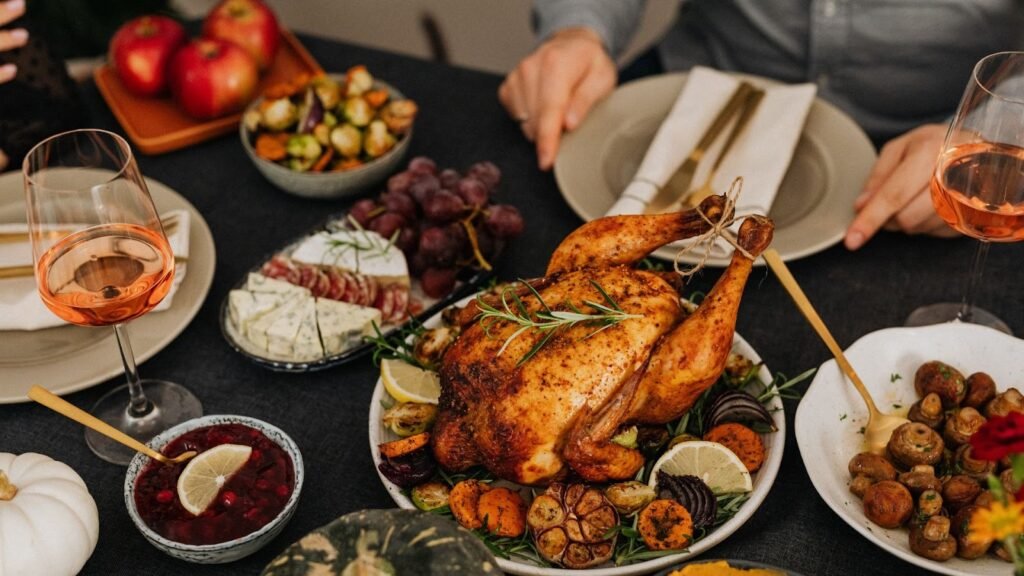
Every plate has a story, and in Mediterranean Food Photography, telling that story visually is crucial. Whether it’s a rustic family dinner, a vibrant mezze platter, or a fresh market haul, the way you present your food can communicate culture, tradition, and emotion. Consider including contextual elements such as bread baskets, wine glasses, or fresh herbs to set the scene.
Props and background elements should complement rather than compete with the food. A wooden table or linen napkin can evoke a rustic, Mediterranean feel, while elegant plates and glassware suggest fine dining. The story behind the dish — from ingredients sourced at local markets to a traditional cooking method — can often be conveyed visually through thoughtful arrangement and styling.
Close-ups can be particularly effective for storytelling. Capturing the delicate texture of freshly baked pita, the sheen of olive oil drizzled over vegetables, or the vibrant mix of spices can transport viewers to a Mediterranean kitchen. Combining close-ups with wider lifestyle shots creates a well-rounded narrative and enhances the impact of your Mediterranean Food Photography portfolio.
Using Social Media for Mediterranean Food Photography
In today’s digital age, sharing your Mediterranean Food Photography online is essential. Platforms like Instagram, Pinterest, and Facebook are ideal for visual storytelling. To maximize engagement, pay attention to composition, lighting, and color consistency. Posting a cohesive series of images with similar tones and styles helps create a recognizable visual identity.
Captions are another opportunity to engage your audience. Share the story behind the dish, cooking tips, or the cultural significance of the ingredients. Using relevant hashtags such as #MediterraneanFood, #FoodPhotography, or #HealthyEating can help attract viewers searching for culinary inspiration. Collaborating with chefs, restaurants, or food bloggers can further expand your reach and showcase your work to a wider audience.
Regular posting and interaction with followers are key. Responding to comments, sharing behind-the-scenes shots, or creating tutorial content can build a loyal community interested in your Mediterranean Food Photography journey.
Common Mistakes to Avoid
Even experienced photographers make mistakes, and recognizing them is part of improving your Mediterranean Food Photography. One common error is overcrowding the frame. Adding too many props or ingredients can distract from the main dish. Simplicity often creates the most visually appealing images.
Another frequent mistake is poor lighting. Avoid harsh artificial light or overhead lighting that creates unwanted shadows. Soft, diffused light enhances colors and textures without overpowering the composition.
Ignoring post-processing can also limit your impact. Even minor adjustments to brightness, contrast, and sharpness can make a significant difference. Conversely, over-editing can result in unrealistic images that fail to capture the authentic essence of Mediterranean cuisine.
Consistency in style is crucial as well. A series of photos with varying tones, angles, or editing styles may look disjointed. Developing a recognizable style helps viewers immediately associate your work with your Mediterranean Food Photography brand.

Building Your Portfolio
A strong portfolio is essential if you want to showcase your Mediterranean Food Photography professionally. Include a variety of shots, from close-ups highlighting textures to overhead spreads that show the arrangement of multiple dishes. Display both individual dishes and complete meals to demonstrate your versatility.
Organize your portfolio to tell a cohesive story. Start with fresh ingredients, move to preparation, and conclude with the final plated dish. This journey not only highlights your photography skills but also emphasizes your understanding of the cuisine and culture behind the food.
For businesses, restaurants, or chefs looking to enhance their marketing materials, a polished portfolio can make a significant impact. High-quality images can elevate menus, social media profiles, and website content, helping clients attract more customers. If you’re aiming for professional-level results, aitinsider’s Image Editing services provide expert enhancements to ensure your photos are portfolio-ready.
Conclusion
Mediterranean Food Photography is a delightful blend of art, storytelling, and technical skill. From understanding lighting and composition to styling your dishes and capturing their essence, every step contributes to creating images that are visually stunning and evocative. By practicing these techniques and exploring creative possibilities, you can bring Mediterranean cuisine to life in your photography.
Whether you are a hobbyist or an aspiring professional, the key is to experiment, learn, and refine your style. Pay attention to color, texture, and mood, and don’t forget to share your work with the world. Social media, a strong portfolio, and consistent practice can help you build a recognizable brand and attract an audience passionate about food.
For professional touches, such as enhancing colors, textures, and details in your shots, aitinsider’s Image Editing services are a perfect resource. With expert editing, your Mediterranean Food Photography can truly shine, making your images irresistible to viewers and clients alike. Explore, create, and share your culinary vision—because great food deserves to be seen in its best light.