
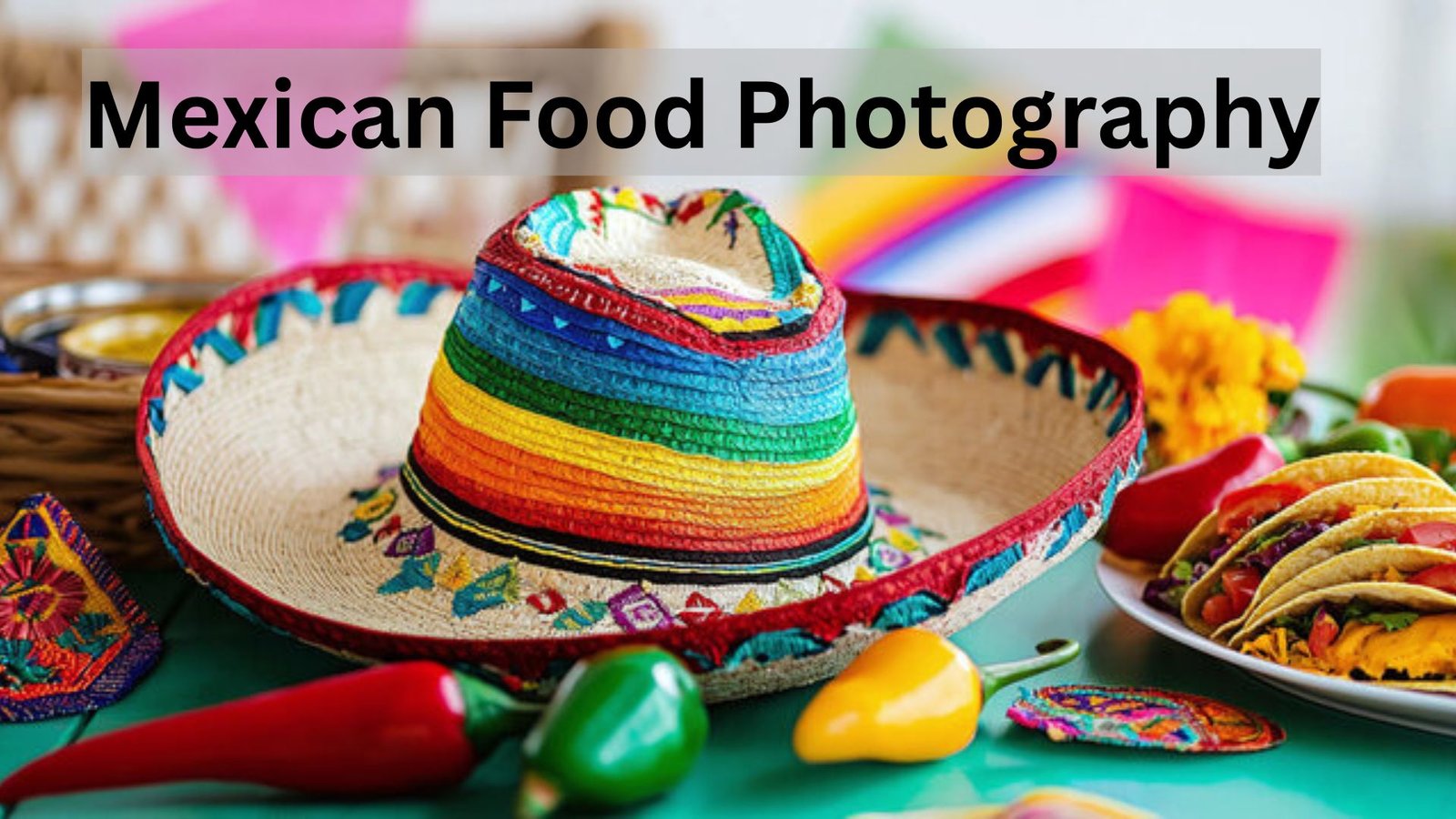
Mexican cuisine is more than just food-it’s an explosion of colors, flavors, textures, and emotions. Every taco, enchilada, or plate of chilaquiles tells a story rooted in culture and tradition. And capturing that story through the lens is what makes Mexican food photography such an incredible art form. Whether you’re a professional photographer, a food blogger, or someone who just loves snapping pictures of your favorite meals, understanding how to bring Mexican dishes to life through your camera is essential.
In this article, we’ll dive deep into the essence of Mexican food photography, exploring the roles of color, light, and storytelling. We’ll talk about how to make your images feel alive, how to highlight the vibrant tones of traditional ingredients, and how to use photography to share the culture behind every dish.
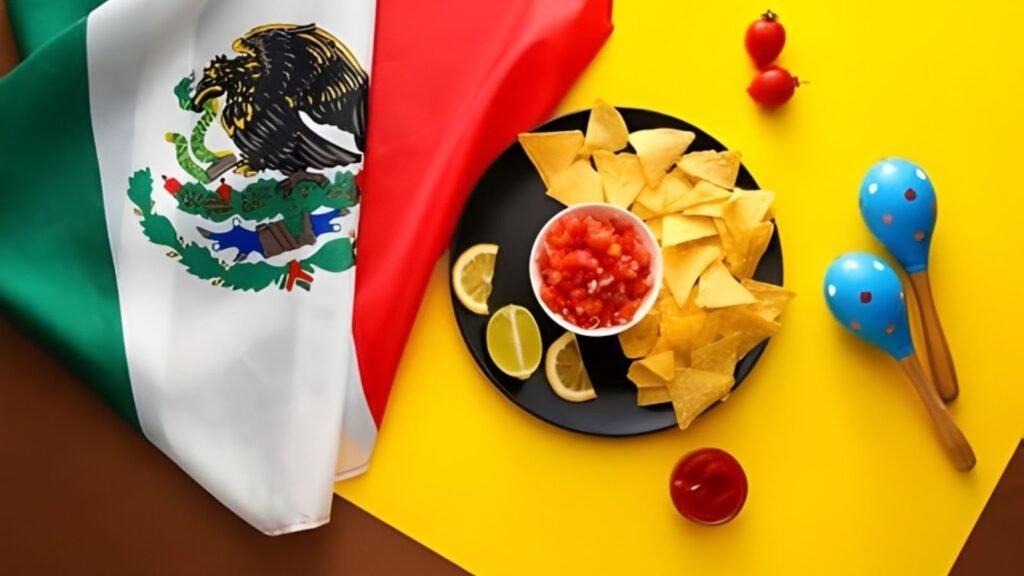
Before you pick up your camera, it’s important to understand what makes Mexican cuisine so visually and emotionally powerful. Mexican food is not just about taste-it’s about heritage. From the street tacos of Mexico City to the mole dishes of Oaxaca, every plate has history, color, and texture that deserve to be captured authentically.
When approaching Mexican food photography, think of each dish as a story waiting to be told. Ask yourself: What’s the emotion behind this dish? Maybe it’s the comfort of a homemade tamale or the excitement of a sizzling fajita plate. Let that emotion guide your composition, lighting, and color choices.
Unlike minimalist photography styles, Mexican food photography thrives on richness and chaos. You’re working with vibrant reds, deep greens, golden yellows, and rustic browns. These colors symbolize not just the ingredients but the spirit of Mexico itself-warm, passionate, and alive.
Color is the heart of Mexican food photography. Think of a plate of tacos al pastor-the vivid red of marinated pork, the fresh green cilantro, the bright yellow pineapple, and the soft white of onions. These colors don’t just look beautiful; they stimulate the viewer’s appetite and emotions.
To make colors pop naturally, lighting and styling play huge roles. Avoid over-editing or artificial saturation. Instead, use natural light to bring out authentic tones. Shooting near a window during the late afternoon (often called “golden hour”) gives dishes a warm, natural glow that enhances every ingredient’s vibrancy.
Additionally, background choices matter. Neutral backgrounds-like rustic wooden tables or colorful Mexican textiles-help contrast the food’s vivid hues. A turquoise or terracotta backdrop, for example, can instantly transport your viewer to a traditional Mexican setting.
Remember, color harmony is key. While Mexican dishes are naturally colorful, too many clashing tones can overwhelm the viewer. Try balancing warm and cool tones-for example, pair the warm orange of enchilada sauce with a cool green salsa or a blue napkin to create visual balance.
Lighting can make or break your Mexican food photography. Proper lighting not only defines the texture and form of the dish but also conveys mood and emotion. The goal is to make the viewer feel like they could reach through the photo and grab a bite.
Natural light is the best choice whenever possible. Mexican cuisine’s vibrant colors and textures shine beautifully under diffused daylight. If you’re shooting indoors, position your setup near a window and use sheer curtains or reflectors to soften harsh shadows.
However, artificial lighting isn’t the enemy. A softbox or ring light can mimic daylight and give you control over the direction and intensity of your light. Try experimenting with side lighting-it enhances depth and texture, making ingredients like grilled meat or roasted peppers look more appetizing.
Also, pay attention to shadows. Soft shadows add depth, while harsh ones can make a photo look flat or overly dramatic. Use a white reflector or even a piece of white paper to bounce light and fill in dark areas.
Pro tip: Avoid using the camera flash directly. It tends to flatten your image and wash out colors-something you definitely don’t want when photographing the rich tones of Mexican dishes.
At the core of Mexican food photography is storytelling. Each dish tells a tale about culture, family, and celebration. The way you compose your shot can evoke emotions and memories for your audience.
Imagine a close-up shot of tamales being unwrapped, steam rising gently from the masa. Or a family gathering around a table filled with tacos, salsa, and fresh lime wedges. These aren’t just photos-they’re stories that connect people to the heart of Mexico.
To tell these stories visually, include contextual elements in your composition. Add traditional props like handmade clay plates, woven textiles, or a bottle of Mexican Coke. Even small details like corn husks, chili peppers, or limes can enhance authenticity.
Angles also play a role in storytelling. An overhead shot (flat lay) works great for showing a variety of dishes or a festive spread. A 45-degree angle brings focus to depth and texture-perfect for showcasing layered dishes like enchiladas or flautas.
Remember, storytelling isn’t only about props or angles-it’s about emotion. Capture the joy in the act of serving food, the texture of a handmade tortilla, or the vibrant chaos of a street food market.
Great composition makes your photo visually engaging and helps the viewer’s eye move naturally through the frame. In Mexican food photography, it’s about balancing color, texture, and structure without losing the authenticity of the dish.
Start by using the “rule of thirds.” Divide your frame into a 3×3 grid and position your main subject along one of the lines or intersections. This adds balance and visual interest.
Layering is another powerful technique. For example, place tacos in the foreground, salsa bowls in the middle ground, and ingredients like chili peppers or limes in the background. This gives your photo depth and dimension.
Also, negative space-empty space around your subject-can be powerful. It draws attention to the main dish and gives the viewer’s eyes room to breathe. Just make sure your negative space complements the colors and tones of your food.
Lastly, consistency matters. If you’re building a portfolio or an Instagram feed, keep your style cohesive-whether it’s bright and colorful, moody and rustic, or clean and minimalist. Consistency helps create your visual identity as a Mexican food photographer.
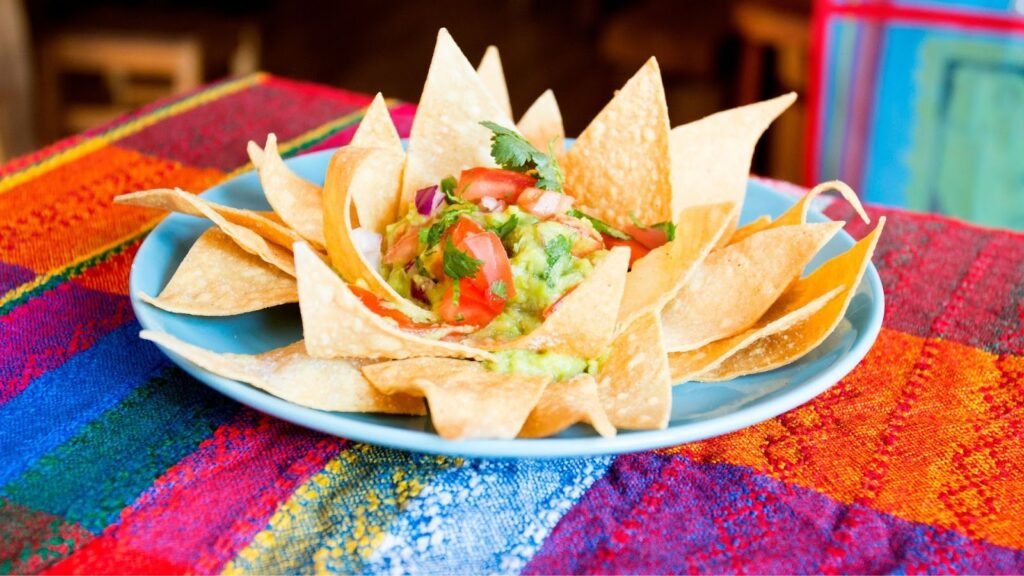
Props set the scene for your story. When it comes to Mexican food photography, props should complement the dish. Think rustic, handmade, and authentic.
Clay bowls, woven placemats, and colorful napkins are staples. They not only add texture but also reflect Mexican culture and craftsmanship. Avoid overly glossy or modern tableware-it can clash with the earthy, traditional vibe of the food.
Backgrounds play an equally vital role. Wood, stone, and textile textures are perfect backdrops. If you want a more modern approach, you can use colored boards inspired by Mexican tiles or walls.
The key is to let the food remain the star of the image. Props are supporting characters-they enhance the story but should never steal the spotlight.
Editing brings your photos to life, but it’s important to maintain authenticity. The goal is to enhance what’s already beautiful-not to create something artificial.
Start with basic adjustments like brightness, contrast, and white balance. You want your images to look natural and appetizing. In Mexican food photography, color correction is crucial because you’re working with such a vibrant palette.
If you need professional help with editing or retouching, check out aitinsider. We offer expert image editing services to make your food photos stand out while keeping them true to life.
Subtle sharpening, contrast tweaks, and saturation adjustments can make your dish pop. But avoid over-saturating reds or oranges-they can easily look fake. The goal is to make the viewer’s mouth water, not question your editing choices.
Texture is what makes Mexican food photography feel alive. You can almost taste the crispy shell of a taco, the softness of a tortilla, or the creaminess of guacamole just by looking at a well-shot image. Capturing texture is all about lighting, angles, and focus.
When shooting, pay close attention to the surface qualities of each ingredient. Side lighting is your best friend-it emphasizes texture by creating gentle shadows that reveal every detail. For example, side lighting can highlight the charred edges of carne asada or the rich, melted cheese on an enchilada.
Macro photography also plays a huge role in emphasizing texture. Close-up shots allow you to showcase the grain of rice in a burrito bowl or the bubbles in a freshly made salsa. But remember not to get too close that the viewer loses context. Balance intimacy with composition.
Another trick is to capture the “moment.” That could be sprinkling cheese, drizzling sauce, or squeezing a lime over tacos. Movement adds realism, and it’s what separates a static image from a story-filled one. When viewers see that action, they feel part of the scene-as if they’re right there at the table.
Textures are also enhanced in post-processing. Slightly increasing contrast or clarity can help bring out details. But use a light touch-too much editing can make your food look unnatural or over-processed. The goal is authenticity.
One of the most powerful aspects of Mexican food photography is cultural storytelling. Every dish has a history and a regional identity, and incorporating that essence into your photos brings authenticity and depth.
For instance, if you’re photographing mole poblano, include hints of Puebla’s culture-traditional pottery, embroidered textiles, or decorative tiles in the background. If it’s tacos al pastor, maybe feature the vertical spit (trompo) or the street-style vibe that makes the dish iconic.
Cultural elements go beyond props-they’re about mood, emotion, and respect. You’re not just taking a picture of food; you’re celebrating the heritage behind it. Showcase the artisans who make the tortillas, the market stalls selling chilies, or the home kitchens where recipes are passed down generations.
Viewers are drawn to authenticity. They want to feel Mexico through your photos-the warmth, the spice, the togetherness. When your images convey that, they don’t just feed the eyes-they feed the soul.
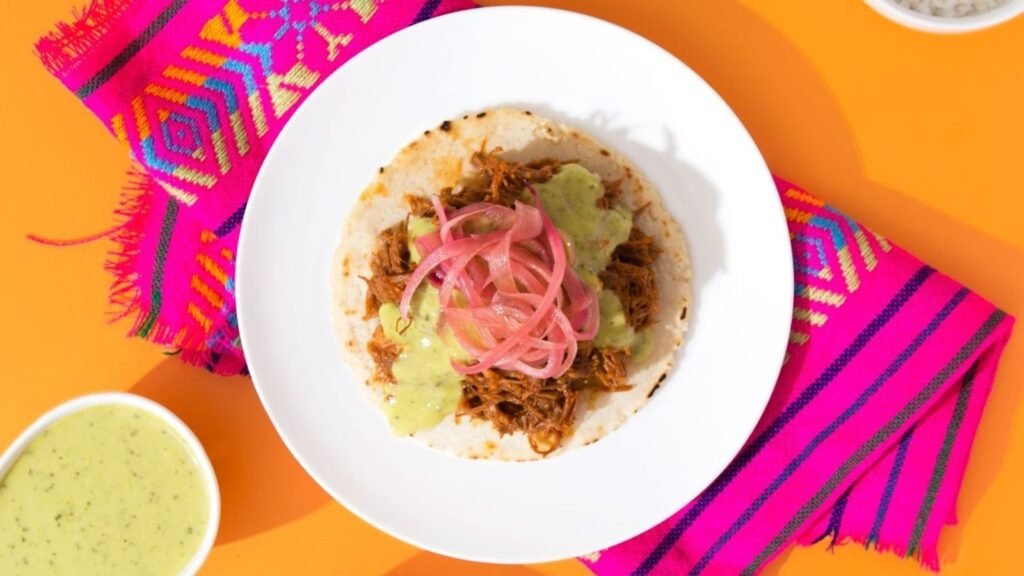
Choosing the right angle can completely change how your photo is perceived. In Mexican food photography, angles help you emphasize the layers, colors, and textures of each dish.
A flat lay (overhead shot) works perfectly when you want to showcase a variety of items together-like a colorful taco spread or a festive table setup. It gives a sense of abundance and harmony, ideal for storytelling shots.
The 45-degree angle is a classic for plated dishes like enchiladas, fajitas, or chiles rellenos. It gives the viewer a natural perspective, as if they were sitting across the table.
Eye-level shots, on the other hand, are great for tall or layered dishes-think burritos, tortas, or stacked nachos. This angle draws attention to the height and structure of the food, making it feel grand and inviting.
Experimentation is key. Move around your subject, try different distances, and play with focus. Sometimes, an unexpected perspective-like shooting through steam or from behind a glass of horchata-can make your photo truly unique.
While color and light create beauty, mood gives meaning to your Mexican food photography. The right atmosphere can evoke emotions-comfort, nostalgia, excitement, or even hunger.
You can create a mood through lighting temperature. Warm lighting (golden and cozy) gives a homely, traditional vibe, perfect for comfort dishes like tamales or pozole. Cooler lighting (neutral or bluish tones) gives a modern, clean feel-great for contemporary plating or fine-dining shots.
Props, composition, and even background blur all contribute to the emotional tone. A moody photo with dark shadows and rustic wood might feel intimate and soulful. A bright, sunlit photo filled with color bursts feels festive and joyful.
Ask yourself: What emotion do I want this photo to evoke? Then use every tool-light, texture, and styling-to bring that feeling to life. That’s where art meets photography.
Sometimes one image isn’t enough to tell the whole story. That’s why creating a photo series can elevate your Mexican food photography to the next level.
Start with the preparation phase-ingredients being chopped, spices being mixed, tortillas being warmed. Then capture the cooking process-sizzling pans, rising steam, bubbling sauces. Finally, showcase the serving or eating moments-the family at the table, hands reaching for food, laughter in the background.
This sequence builds narrative depth. It transforms your photos from pretty visuals into storytelling experiences. Viewers don’t just see food; they see life, culture, and passion behind it.
If you’re sharing these stories online, platforms like Instagram or Pinterest are perfect for this kind of visual storytelling. You can even link to your portfolio or editing services through your bio. For example, aitinsider can help you polish these series with professional image editing to ensure consistency and quality across every photo.
You don’t need a professional DSLR to create stunning Mexican food photography. Today’s smartphones have incredible camera capabilities that can capture vivid colors and details.
If you’re just starting, focus on composition, lighting, and storytelling. Even with a smartphone, you can create professional-looking images if you understand these fundamentals. Use portrait mode to blur the background, natural light for illumination, and clean lenses for crisp shots.
However, if you want full control over exposure, depth, and detail, a DSLR or mirrorless camera gives you flexibility. You can adjust the aperture to control focus depth or the shutter speed for motion effects-like capturing falling salt or smoke rising from hot food.
At the end of the day, the best camera is the one you have. What matters most is your eye for detail, your understanding of the dish, and your ability to tell a story.

Once you’ve captured your shots, post-processing is where the final magic happens. Editing allows you to refine colors, correct lighting, and create consistency across your images.
Start with adjusting exposure and contrast. In Mexican food photography, balancing brightness without washing out colors is key. Slightly increase vibrance, but keep saturation under control to preserve a natural look.
Crop your images thoughtfully-remove distractions from the frame, and focus on the subject. Add gentle sharpening to emphasize texture but avoid making edges look artificial.
Editing tools like Adobe Lightroom or Photoshop are great for professional use. But if you’re looking for an easier option, apps like Snapseed or VSCO also provide fantastic results for quick edits.
If editing feels overwhelming, or you want polished, professional-quality results, consider outsourcing your editing. At aitinsider, we specialize in image editing services for photographers, bloggers, and food brands. Our team can enhance your food photos while keeping them authentic and appetizing.
In the world of Mexican food photography, developing your own visual style is what sets you apart. Anyone can take a photo of tacos or guacamole, but only you can show it in a way that reflects your personality and vision. Your style is your signature-it’s how people recognize your work instantly.
Start by identifying what kind of visual vibe you love most. Are you drawn to the bright, festive look of street food markets with colorful backdrops and vibrant lighting? Or do you prefer a moody, rustic aesthetic with shadows, earthy tones, and cultural textures?
Experiment with different approaches. Try shooting the same dish multiple ways-bright daylight versus low lighting, minimal versus full-table setups. Over time, you’ll notice a pattern in the shots you love most. That’s your signature look starting to take shape.
Editing style also plays a big role in building consistency. Whether you prefer soft tones or bold contrasts, keep your editing style cohesive across your portfolio or social media. It creates a visual rhythm that helps your audience connect with your work.
Your photography style should tell your story too. Maybe your roots are Mexican, and you want to showcase the authenticity of homemade food. Or maybe you’re an artist fascinated by how flavors translate into colors. Let that passion shine through every image you create.
And remember: style evolves. Don’t be afraid to grow and adapt. The more you shoot and experiment, the stronger your visual voice becomes.
After spending hours perfecting your photos, it’s time to share them with the world. The beauty of Mexican food photography is that it resonates globally-people everywhere are drawn to the bold colors, comforting dishes, and vibrant culture behind Mexican cuisine.
Start with social media. Platforms like Instagram, Pinterest, and TikTok are ideal for showcasing your food photos. Use hashtags like #MexicanFoodPhotography, #FoodArt, and #FoodStyling to reach audiences who share your passion.
Create engaging captions that tell the story behind each dish. For example, instead of writing “Tacos for lunch,” try “These tacos al pastor remind me of Mexico City streets-smoky, juicy, and bursting with flavor.” Words help deepen your visual storytelling.
Building a blog or online portfolio is another excellent way to showcase your work. You can share photography tips, behind-the-scenes stories, and recipe collaborations. Linking your site to professional editing services-like aitinsider-can also add value for readers who want to learn or improve their food photos.
Engage with your followers, respond to comments, and connect with other photographers. Collaboration often leads to inspiration and growth. The more you share your work and interact with your audience, the more visibility and recognition your photography gains.
Even the best photographers make mistakes, but learning to spot and correct them will take your Mexican food photography to a professional level.
One of the most common errors is over-editing. It’s easy to get carried away with saturation and contrast, especially since Mexican dishes are naturally colorful. Too much editing, however, can make your food look artificial or unappetizing.
Another mistake is clutter. While Mexican food is rich and layered, too many props or background distractions can draw attention away from the main dish. Keep your setup clean and purposeful. Every element in your frame should contribute to the story, not compete with it.
Ignoring lighting is another issue. Poorly lit photos can flatten textures and wash out colors. Always prioritize natural light or use soft, diffused artificial light for the best results.
Finally, don’t forget to experiment. Playing it safe leads to repetitive results. Try new angles, props, and editing techniques. Photography is an art; mistakes are just stepping stones to discovering your style.
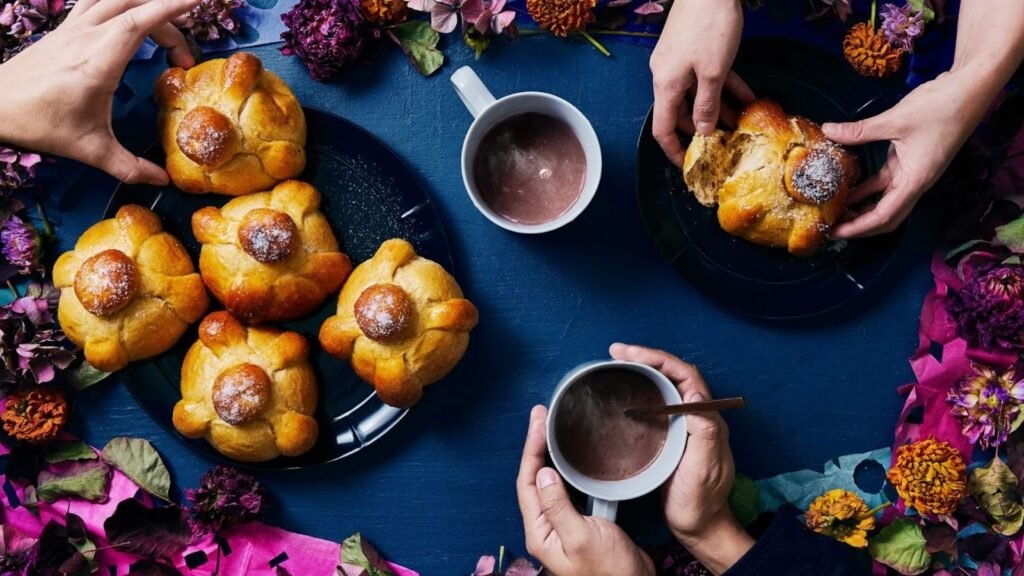
Mexico’s culture is filled with color, tradition, and celebration-all perfect sources of inspiration for Mexican food photography. Festivals like Día de los Muertos (Day of the Dead), Cinco de Mayo, and Las Posadas offer endless opportunities for storytelling through food.
Imagine capturing the deep orange of marigold petals next to a pan de muerto during Día de los Muertos, or the excitement of street tacos being prepared during a Cinco de Mayo parade. These moments are not just about food-they’re about community, memory, and emotion.
Incorporate seasonal ingredients and traditional decorations to bring that festive spirit into your photography. Papel picado banners, hand-painted skulls, or colorful tablecloths can instantly transport your audience into the heart of a celebration.
The goal is to make your photos feel alive-like they’re part of something bigger. The best Mexican food photography doesn’t just show a dish; it captures the heartbeat of Mexican culture.
If you’re looking to take your photography skills to the next level, collaborating with local restaurants or chefs is a great opportunity. Mexican chefs are incredibly passionate about their craft, and their dishes are often visually stunning.
When shooting for restaurants, communication is key. Understand the chef’s vision, the story behind each dish, and the atmosphere they want to convey. Some chefs may want bright, lively photos that reflect a casual dining experience, while others prefer elegant, artistic shots for fine dining.
Bring professionalism to the table. Plan your setup, know your lighting, and shoot efficiently-especially if the food is freshly prepared. Remember, presentation fades quickly, so timing matters.
Once you’ve captured beautiful images, offer to edit and refine them professionally. And of course, services like aitinsider can help you perfect those images, ensuring they look polished and publication-ready.
Collaborations not only help you build a portfolio but also create strong community connections. When restaurants share your photos on their platforms, your work reaches a wider audience- a win-win for both sides.
Many photographers start Mexican food photography as a hobby-simply capturing their favorite meals. But with consistency, creativity, and marketing, it can easily grow into a rewarding career.
Begin by building an online portfolio that showcases your best work. Include a mix of close-ups, full spreads, and storytelling shots that highlight your versatility. Consistency in style and quality will help you stand out to brands and restaurants looking for professional content.
Networking is essential. Attend food events, workshops, or cultural festivals to meet other creatives. Offer collaborations with local eateries, food bloggers, or culinary influencers.
Monetization can come from many avenues-selling prints, offering workshops, creating stock images, or providing editing and photography services.
If you’re serious about growing your business, partner with platforms like aitinsider. Not only can we help you refine your images through our expert editing services, but we also share tips and resources for creative professionals looking to expand their reach.
Mexican food photography isn’t just about taking pictures-it’s about capturing emotion, color, and tradition. It’s the art of translating flavor into visuals that tell a story. From vibrant tacos al pastor to soulful bowls of pozole, each photo is a tribute to Mexico’s cultural richness.
By mastering light, color, composition, and storytelling, you can create images that don’t just look good-they feel good. Whether you’re shooting with a smartphone or a professional camera, authenticity is what truly makes your work shine.
So next time you pick up your camera, remember that you’re not just photographing food. You’re capturing heritage, love, and the joy that Mexican cuisine brings to people all over the world.
And if you ever need help perfecting your photos or editing them professionally, visit aitinsider. We provide top-quality image editing services designed to bring out the true essence of your work.
Because every photo deserves to tell its best story.