
Food photography is evolving rapidly, and 2025 promises to bring exciting trends and innovative tools for food creators and businesses alike. Whether you’re a professional food photographer, a restaurant owner, or an influencer passionate about visually stunning dishes, understanding the latest practices is essential. In this article, we will explore everything food photography photographers need to know in 2025, including emerging trends, must-have tools, and top techniques that make your food images irresistible.
Food photography photographers today are no longer just capturing meals-they are crafting experiences. In 2025, the expectations for food photography go beyond making food look delicious. Audiences want authenticity, storytelling, and sensory engagement. For food photography photographers, this means combining technical skills with creative vision. Photographs need to evoke taste, smell, and texture, making viewers feel like they can almost reach out and enjoy the dish themselves.
Social media platforms such as Instagram, TikTok, and Pinterest continue to shape trends, pushing food photographers to adapt. Short-form videos and interactive content are becoming essential. Many photographers are incorporating behind-the-scenes shots, step-by-step recipes, and motion photography to keep their audience engaged. Food photography photographers in 2025 need to be versatile, blending still photography, video, and digital enhancements.
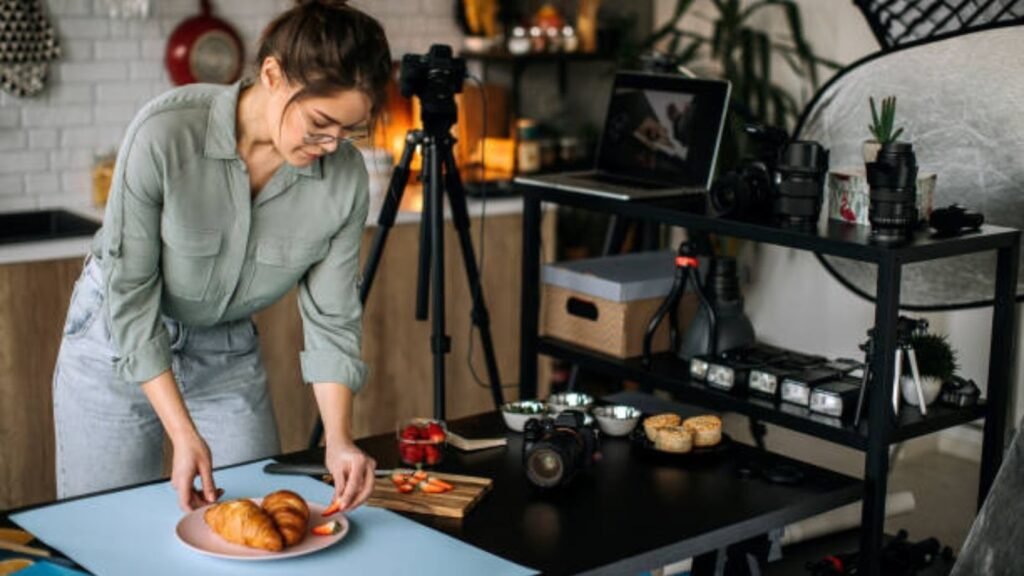
Several key trends are shaping the work of food photography photographers in 2025. One major trend is minimalism. Simple, clean compositions with natural lighting are gaining popularity. This style focuses on highlighting the food itself without cluttered backgrounds, allowing the colors, textures, and shapes to shine.
Another trend is the use of vibrant colors and bold contrasts. Food photography photographers are experimenting with unique color palettes to make dishes pop on digital screens. Using complementary backgrounds, colorful props, and creative plating techniques adds a dynamic element to the imagery.
Sustainability is also influencing food photography. Many photographers now showcase eco-friendly packaging, locally sourced ingredients, and plant-based meals. Audiences are increasingly conscious of the environmental impact of food, and food photography photographers who reflect this in their work can create a stronger connection with viewers.
Additionally, AI-powered tools are revolutionizing the industry. Food photography photographers now have access to smart editing software that can enhance images automatically, adjust lighting, or remove imperfections. These tools save time while maintaining high-quality results.
The right tools are crucial for food photography photographers in 2025. Cameras remain a top priority. Mirrorless cameras with high-resolution sensors allow photographers to capture intricate details, while lenses with wide apertures create beautiful depth-of-field effects. While DSLRs are still reliable, mirrorless technology continues to dominate due to its lightweight design and versatility.
Lighting is another key tool. Natural light remains ideal for authentic-looking food photography, but advanced LED panels and softboxes allow photographers to have complete control over shadows, highlights, and ambiance. Many food photographers use a combination of natural and artificial light to create the perfect mood for each shot.
Props, backgrounds, and styling materials are equally important. Food photography photographers in 2025 focus on textures and layers-wooden boards, ceramic plates, cloth napkins, and organic surfaces all add depth to an image. Attention to detail in styling can make a simple dish appear luxurious and highly appetizing.
Editing tools are indispensable. Software like Adobe Photoshop and Lightroom continue to be staples, while AI-assisted platforms such as aitinsider image editing services help photographers speed up post-production while maintaining precision. Food photography photographers can remove distractions, enhance colors, and fine-tune compositions with these tools.
Food photography photographers in 2025 follow certain best practices to produce stunning images consistently. Planning is the foundation. Before shooting, photographers consider the type of dish, target audience, and intended platform. This ensures that the final image aligns with the brand’s story and goals.
The lighting setup comes next. Mastering lighting is critical for food photography photographers. Natural light provides warmth and authenticity, but artificial lighting allows for creative control. Soft light enhances textures, while directional lighting can highlight steam, glossiness, or other visual cues that make food irresistible.
Composition is another vital practice. Food photography photographers pay attention to angles, negative space, and symmetry. Overhead shots work well for flat lays, while side angles highlight layers and depth. Combining multiple angles during a shoot gives clients more options and helps photographers create engaging visual stories.
Post-production is where food photography photographers bring their vision to life. Editing should enhance, not over-process, images. Adjustments like color correction, contrast enhancement, and selective sharpening help maintain a natural look while emphasizing key details. AI-powered tools from platforms like aitinsider can simplify these steps, especially for photographers handling large batches of images.
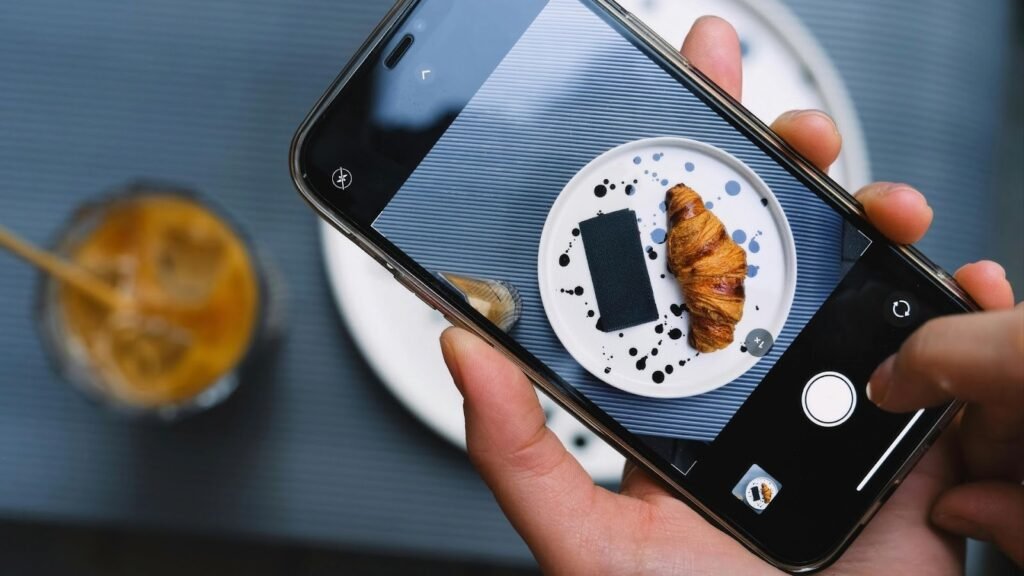
With the continued rise of smartphones, mobile food photography is gaining prominence. Food photography photographers now leverage smartphones with high-resolution cameras and advanced AI features to create professional-quality images. Mobile photography allows for spontaneity, making it easier to capture behind-the-scenes content, restaurant dishes, or street food moments.
Food photography photographers using mobile devices must still adhere to lighting and composition principles. Accessories like portable LED lights, tripods, and clip-on lenses enhance results. The accessibility of mobile photography tools has made it easier for new photographers to enter the field and for established professionals to expand their content offerings.
Food photography photographers in 2025 are storytellers. Each image communicates a narrative-whether it’s a family meal, a gourmet creation, or a local delicacy. Storytelling involves not just capturing the food but also creating context through props, background, and styling.
For instance, food photography photographers can include ingredients, utensils, or a chef’s hand in the frame to convey the process and craftsmanship behind the dish. Incorporating motion, such as sprinkling herbs or pouring sauce, adds dynamism and draws viewers into the scene. Story-driven images tend to perform better on social media and websites, enhancing engagement and brand loyalty.
Food photography photographers in 2025 need more than technical skills-they must market their work effectively. Social media platforms are essential tools for showcasing portfolios, attracting clients, and building personal brands. Instagram remains a favorite due to its visual-first approach, but TikTok and Pinterest are rapidly growing spaces for food-related content. Photographers who combine high-quality imagery with engaging captions and trending hashtags can significantly increase visibility.
Creating a professional website is also crucial. A well-designed portfolio highlights your best work and provides information about services, pricing, and contact details. Food photography photographers can benefit from including a blog section where they share tips, behind-the-scenes stories, and industry insights. Linking to services like aitinsider image editing services not only provides value to readers but also subtly promotes your professional capabilities.
Collaborations with food bloggers, restaurants, and brands are another effective strategy. Food photography photographers who form partnerships can expand their reach, gain credibility, and secure recurring projects. Networking in both online communities and local events helps build a reputation as a reliable and creative professional.

Understanding client needs is a cornerstone for food photography photographers in 2025. Every client may have unique requirements, from style and color preferences to the intended platform for the images. Photographers should engage in detailed consultations before shooting, asking questions about branding, mood, and messaging.
Customizing shots for different platforms is also essential. Images that work well on Instagram may need slight adjustments for websites, menus, or promotional materials. Food photography photographers often create multiple versions of a single shoot to cater to diverse marketing needs. Providing clients with versatile, high-quality images enhances satisfaction and strengthens long-term partnerships.
Artificial intelligence is transforming how food photography photographers work. AI tools assist in post-processing, suggesting improvements in lighting, color balance, and composition. Some platforms can even automatically remove unwanted objects, retouch imperfections, or enhance textures, saving photographers hours of manual editing.
AI-driven analytics also help food photography photographers understand which images perform best. By analyzing engagement metrics, photographers can refine their style, adjust compositions, and tailor content to specific audiences. This data-driven approach complements creativity, allowing photographers to stay competitive in a fast-evolving industry.
To thrive in 2025, food photography photographers must combine technical mastery with continuous learning. Experimenting with new styles, trends, and tools ensures that your work remains fresh and relevant. Attending workshops, online courses, and industry conferences helps photographers stay updated on emerging techniques and technological advancements.
Sustainability, storytelling, and authenticity are increasingly important in the food industry. Food photography photographers who reflect these values in their work can resonate with audiences and clients alike. Moreover, maintaining a strong online presence and leveraging AI-enhanced tools ensures efficiency and quality in every project.

Food photography photographers in 2025 face an exciting, evolving landscape. With a combination of creative vision, technical expertise, and modern tools, they can capture images that delight, inspire, and engage viewers. From mastering lighting and composition to utilizing AI for editing and analysis, the opportunities are endless.
Whether you are just starting or looking to elevate your professional work, staying informed about trends, tools, and top practices is essential. Platforms like aitinsider provide resources, tips, and professional image editing services to help food photography photographers achieve outstanding results efficiently.
Food photography photographers who embrace these trends, experiment with new techniques, and prioritize authentic storytelling will thrive in 2025. With dedication, creativity, and the right tools, every dish can become a visual masterpiece.