
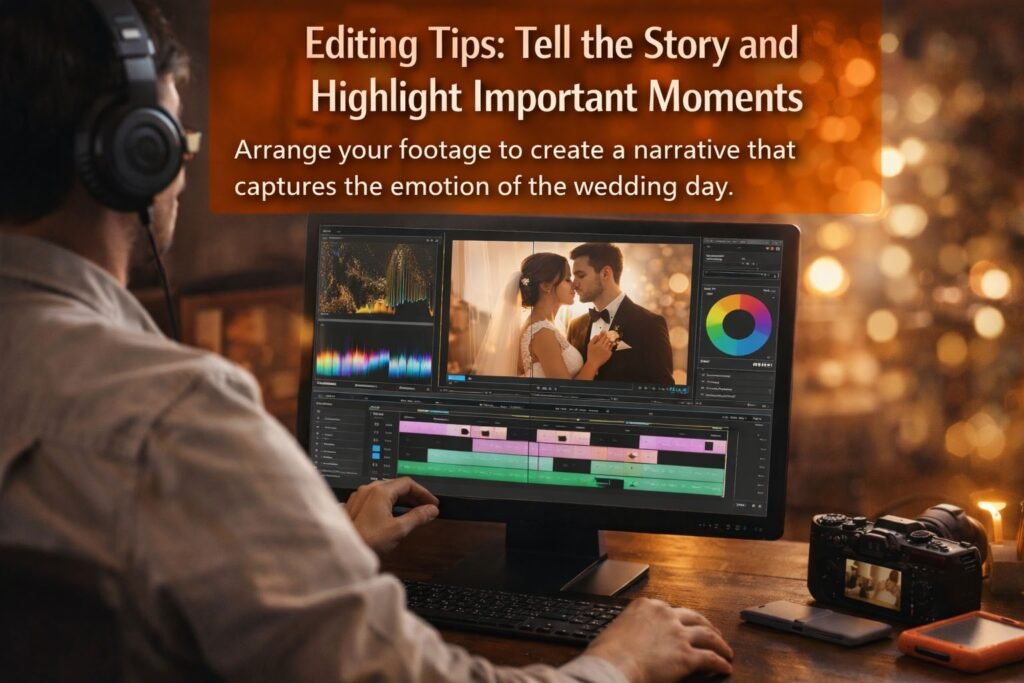
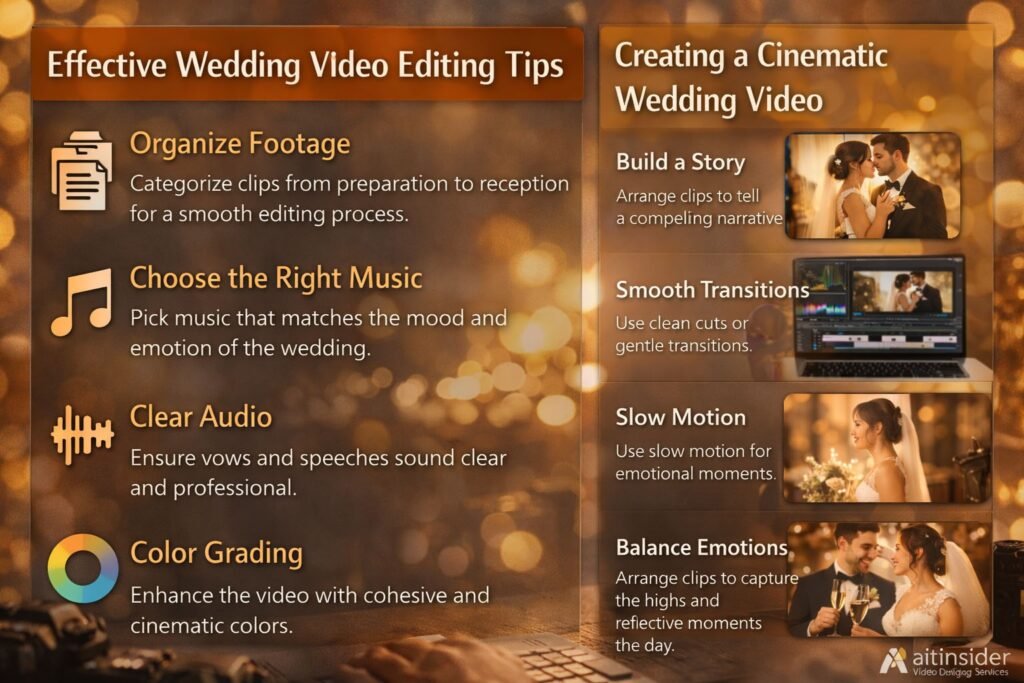
When people search for wedding video editing tips, they often expect technical advice-but the real foundation of professional editing begins with storytelling. A wedding is not just an event; it’s a layered emotional journey that unfolds over hours but needs to be condensed into a meaningful narrative. As a professional editor at aitinsider, I always begin by reviewing all footage with a storyteller’s mindset, not just an editor’s eye. This means identifying emotional peaks, subtle interactions, and candid moments that might otherwise be overlooked.
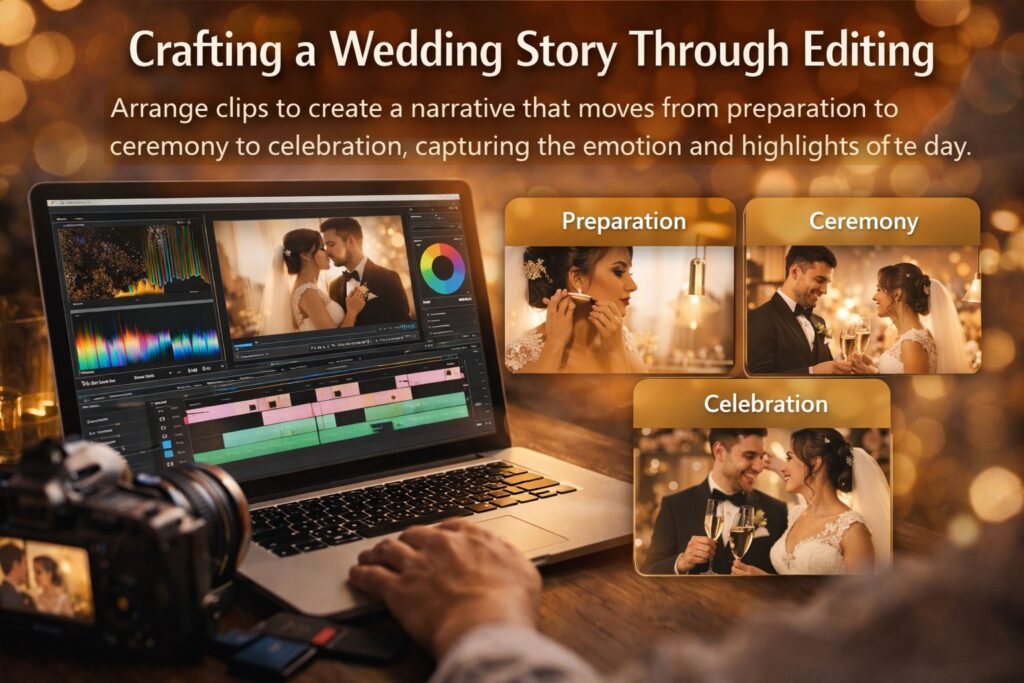
The strongest wedding films are those that feel personal. Instead of placing clips randomly on a timeline, think of your edit as a story arc. There is a beginning-the anticipation and preparation. Then comes the middle-the ceremony, the vows, the emotional highlights. Finally, the ending-the celebration, the quiet moments, and the closing scenes that leave a lasting impression. These phases help structure your workflow and ensure your final video feels cohesive rather than scattered.
Another important aspect is understanding the couple’s personality. Some couples prefer a cinematic, slow-paced video filled with emotional depth, while others may want something energetic and fun. These preferences should guide your editing choices, including music selection, pacing, and color grading. Following these wedding video editing tips will help you create a video that resonates deeply with your clients rather than just looking visually appealing.
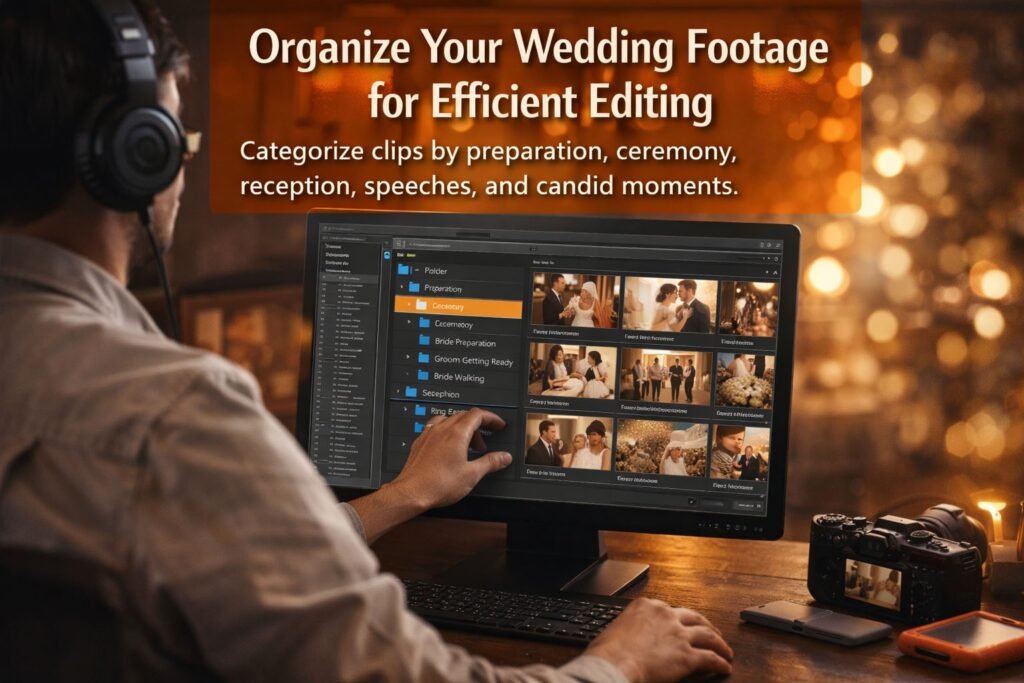
Organizing Footage Like a Professional Editor
Before you even begin editing, organization is everything. One of the most overlooked wedding video editing tips is creating a clean, structured workflow from the start. Wedding shoots often involve multiple cameras, audio sources, and hours of footage. Without proper organization, the editing process becomes slow, frustrating, and prone to mistakes.
Start by categorizing your clips into folders such as preparation, ceremony, reception, speeches, and candid moments. Within each category, you can further sort clips by camera angle or timeline sequence. This method not only saves time but also helps you quickly locate specific moments when building your narrative.
Naming conventions also play a big role. Instead of leaving file names as random numbers, rename them based on content or sequence. For example, “Bride_Preparation_01” or “Vows_Closeup.” This might seem like a small step, but it significantly improves efficiency when dealing with large projects.
Audio files should also be handled carefully. Separate folders for vows, speeches, and ambient sound allow you to easily sync and enhance audio during editing. Clean audio is just as important as visuals in wedding films, and organizing it properly ensures you don’t miss key emotional moments.
By following these wedding video editing tips, you’ll notice a smoother workflow and better creative focus, allowing you to spend more time refining your video instead of searching for clips.
Choosing the Right Music for Emotional Impact
Music is the heartbeat of any wedding film. It sets the tone, drives the pacing, and enhances emotional depth. Among the most powerful wedding video editing tips is learning how to select music that complements the visuals rather than overpowering them.
Start by identifying the mood you want to create. For emotional ceremony highlights, soft instrumental tracks or piano-based compositions work beautifully. For reception scenes, upbeat and lively music can bring energy and excitement. The key is to match the rhythm of your cuts with the beat of the music, creating a seamless flow that feels natural.
Timing is everything when syncing music with visuals. Pay close attention to transitions, emotional peaks, and key moments such as the first look or the exchange of vows. Aligning these moments with musical crescendos can elevate your video from good to unforgettable.
It’s also important to use licensed music. Many platforms provide high-quality tracks specifically for wedding videos, ensuring you avoid copyright issues while maintaining professional standards. Following these wedding video editing tips will help you create a soundtrack that enhances every frame of your film.
Mastering Smooth Transitions and Cuts
One of the defining traits of a professional wedding video is seamless editing. Abrupt cuts or overused effects can break immersion and distract viewers. That’s why mastering transitions is a key part of effective wedding video editing tips.
Instead of relying heavily on flashy transitions, focus on clean cuts and natural movement. For example, match cuts-where motion continues from one clip to another-can create a smooth and visually pleasing flow. Crossfades are also useful for transitioning between scenes, especially during emotional or slower-paced segments.
Another technique is cutting on action. If the bride is turning her head or the groom is laughing, cut at the moment of movement to maintain continuity. This approach makes your edits feel fluid and intentional.
It’s also important to avoid over-editing. Adding too many effects can make your video look amateurish. Simplicity often leads to a more elegant and professional result. These wedding video editing tips emphasize restraint and precision, helping you create videos that feel polished and timeless.
Color Grading for a Cinematic Look
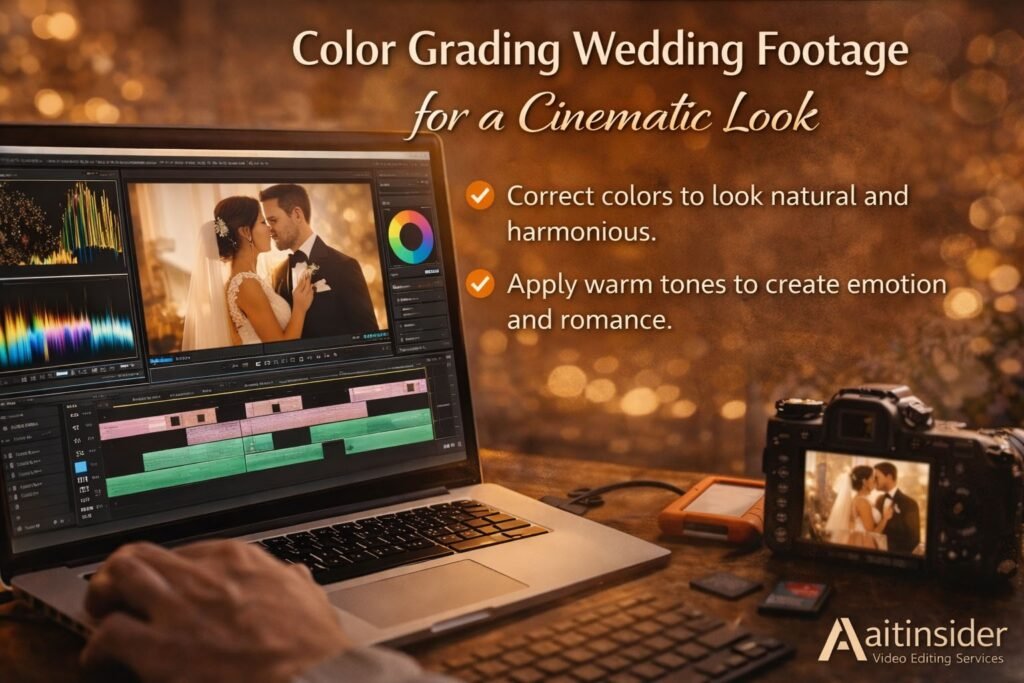
Color grading is where your footage truly comes to life. It transforms raw clips into a visually cohesive and emotionally engaging film. One of the most impactful wedding video editing tips is developing a consistent color grading style.
Start with color correction to ensure accurate exposure, white balance, and contrast. Once your footage looks natural, you can move on to grading. Many editors prefer warm tones for weddings, as they evoke feelings of love and intimacy. Soft highlights and gentle shadows can add depth without making the image look harsh.
Consistency is crucial. All clips should match in tone and color to avoid visual distractions. This is especially important when working with footage from multiple cameras, as each device may capture colors differently.
Using presets can speed up your workflow, but it’s important to customize them for each project. Every wedding has unique lighting conditions, and a one-size-fits-all approach rarely works. By following these wedding video editing tips, you can achieve a cinematic look that enhances the overall storytelling.
Enhancing Audio for Professional Quality
While visuals often get the most attention, audio plays an equally important role in wedding videos. Clear vows, heartfelt speeches, and ambient sounds add depth and authenticity to your film. One of the most essential wedding video editing tips is prioritizing audio quality throughout the editing process.
Start by syncing audio from external recorders with your video clips. This ensures you capture the best possible sound, especially during the ceremony. Once synced, clean up background noise and adjust levels to maintain clarity.
Layering audio can also enhance the viewing experience. For example, adding subtle background sounds like laughter or applause can make scenes feel more immersive. Balancing music and dialogue is crucial-music should support the audio, not overpower it.
Investing time in audio editing may not be as visually exciting, but it significantly improves the overall quality of your work. These wedding video editing tips highlight the importance of sound in creating a professional and emotionally engaging wedding film.
Creating a Highlight Reel That Captivates
A highlight reel is often the most viewed part of a wedding video. It’s a short, engaging summary that captures the essence of the entire day. Crafting a compelling highlight reel requires careful selection and precise editing, making it one of the most valuable wedding video editing tips to master.
Focus on the most emotional and visually striking moments. This includes the first look, the vows, key reactions, and celebratory scenes. Keep the pacing dynamic, alternating between slow emotional shots and energetic clips to maintain viewer interest.
Storytelling remains important even in shorter formats. Your highlight reel should still have a clear beginning, middle, and end. This structure ensures your video feels complete rather than rushed.
By applying these wedding video editing tips, you can create highlight reels that not only impress clients but also serve as powerful portfolio pieces.
Pacing and Timing: The Secret to Professional Flow
Pacing is one of the most subtle yet powerful elements in wedding editing. Many beginners overlook it, but professionals know that timing can completely change how a video feels. Among the most valuable wedding video editing tips is learning how to control the rhythm of your edits to match the emotions of each moment.
A wedding film should not feel rushed, but it also shouldn’t drag. Slow-motion clips can add elegance and emotion, especially during key moments like the bride walking down the aisle or the couple’s first dance. However, overusing slow motion can reduce its impact. Balance is key. Use it selectively to highlight important scenes.
Cutting to the beat of the music is another effective technique. When your visuals align with the rhythm, the video feels more engaging and polished. This is particularly useful for highlight reels and reception segments where energy is high. On the other hand, quieter moments benefit from longer shots and gentle transitions, allowing viewers to absorb the emotion.
Pauses are just as important as cuts. Giving viewers a moment to breathe-whether it’s a lingering shot or a soft fade-can make your video feel more natural and immersive. These wedding video editing tips focus on creating a flow that feels effortless, even though it’s carefully crafted behind the scenes.
Adding Personalization for Every Couple
No two weddings are the same, and your editing style should reflect that. One of the most meaningful wedding video editing tips is tailoring each video to the couple’s unique story. Personalization is what transforms a standard wedding video into something truly memorable.
Start by incorporating elements that are specific to the couple. This could include their favorite music style, meaningful locations, or even inside jokes captured during speeches. Small details like these make the video feel more intimate and authentic.
Voiceovers are another powerful tool. Using audio from vows or speeches over montage sequences can create a strong emotional connection. Hearing the couple’s own words adds depth and sincerity that visuals alone cannot achieve.
You can also experiment with different editing styles depending on the couple’s personality. A romantic, cinematic approach works well for traditional weddings, while a fast-paced, modern style may suit more energetic couples. These wedding video editing tips encourage you to move beyond templates and create something that feels truly one-of-a-kind.
Avoiding Common Editing Mistakes
Even experienced editors can fall into certain traps, especially when working under tight deadlines. That’s why understanding what to avoid is just as important as knowing what to do. One of the most practical wedding video editing tips is recognizing common mistakes and learning how to prevent them.
One frequent issue is overusing effects. While transitions, filters, and overlays can enhance your video, too many can make it look cluttered and unprofessional. Simplicity often leads to a more timeless result. Focus on clean edits and let the story shine.
Another mistake is inconsistent color grading. When clips don’t match in tone or lighting, it can distract viewers and break immersion. Always ensure your footage looks cohesive from start to finish.
Poor audio mixing is another common problem. If music is too loud or dialogue is unclear, it can ruin the viewing experience. Take the time to balance audio levels carefully.
Finally, avoid making the video too long without purpose. While it’s tempting to include every moment, it’s better to focus on quality over quantity. These wedding video editing tips help you maintain a professional standard and deliver videos that clients will truly appreciate.
Delivering the Final Video Professionally
The final stage of wedding editing is just as important as the editing itself. How you present your work can leave a lasting impression on your clients. One of the often overlooked wedding video editing tips is ensuring a smooth and professional delivery process.
Export your video in high resolution, typically 4K or at least full HD, to maintain quality across different devices. Choose the right format and compression settings to balance quality and file size. A poorly exported video can undo all the effort you put into editing.
Presentation also matters. Instead of simply sending a file, consider packaging your delivery in a more thoughtful way. This could include a beautifully designed USB drive, an online gallery, or a private streaming link. These small touches enhance the overall client experience.
Timely delivery is another key factor. Weddings are emotional events, and couples are eager to relive their special day. Meeting deadlines-or even delivering earlier-can leave a strong positive impression.
By following these wedding video editing tips, you ensure that your work is not only visually stunning but also professionally presented.
Final Thoughts: Becoming a Professional Wedding Video Editor
Mastering wedding editing takes time, patience, and a deep understanding of both technical skills and storytelling. The journey involves constant learning, experimenting, and refining your craft. These wedding video editing tips are not just guidelines-they are the foundation for creating videos that people will cherish for a lifetime.
As a professional editor working with aitinsider, I’ve seen how powerful a well-edited wedding video can be. It’s more than just a collection of clips; it’s a timeless memory that couples will revisit again and again. By focusing on storytelling, organization, audio, color, pacing, and personalization, you can elevate your work to a professional level in 2026 and beyond.
If you’re looking for expert help or want your wedding footage transformed into a cinematic masterpiece, aitinsider is here to help. We specialize in professional video editing services tailored to your unique story. Let us turn your special moments into a film you’ll treasure forever.