
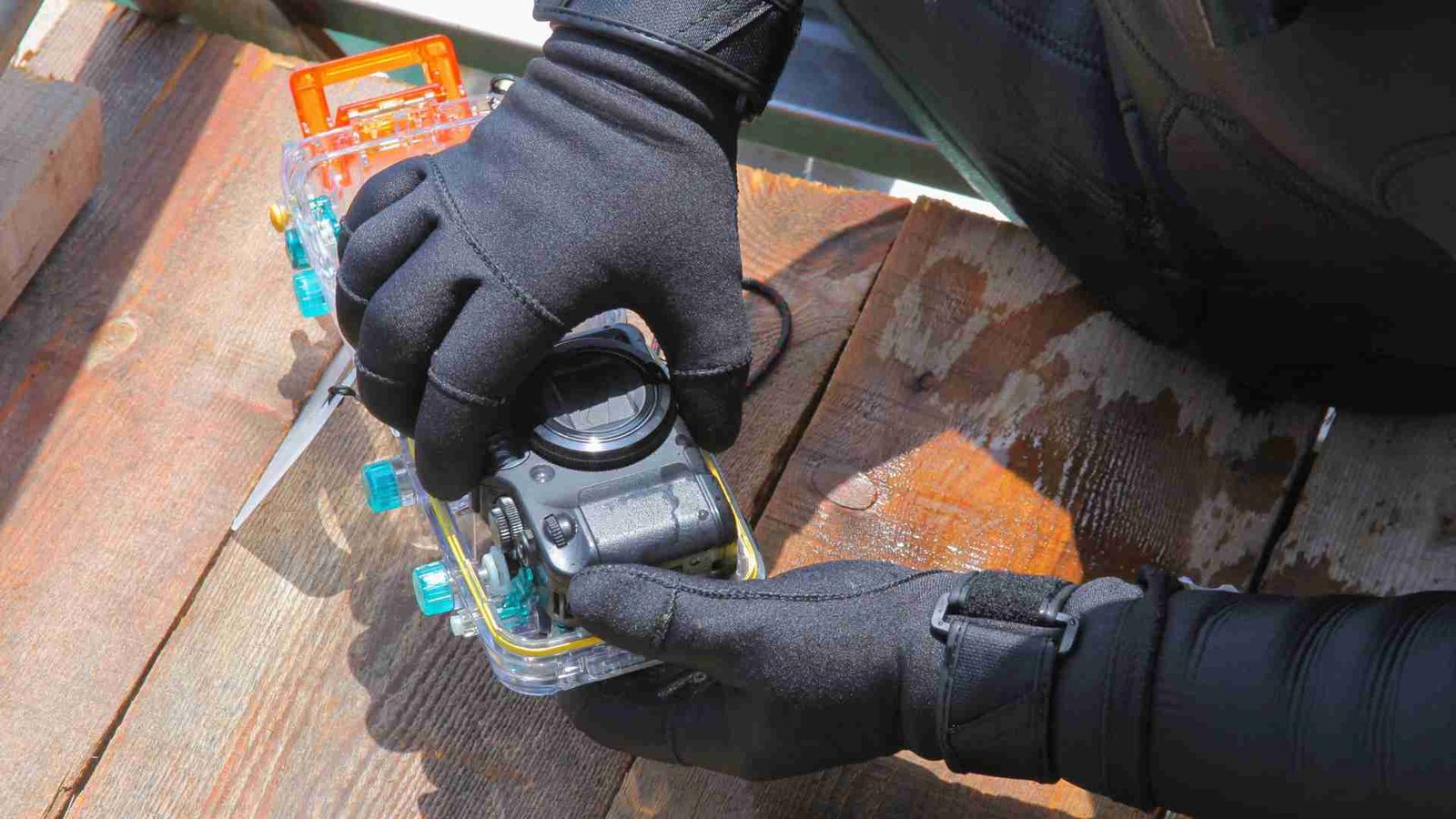
Underwater macro photography is a fascinating art form that lets you uncover the hidden world beneath the waves – the tiny nudibranchs, coral polyps, and shrimp that most divers swim past without even noticing. But to capture those details in crisp, colorful glory, you need the best camera for underwater macro photography – a camera that balances precision, speed, and light-handling in challenging underwater conditions.
Choosing the right camera isn’t easy, though. With dozens of options available in 2025, each offering different sensor sizes, autofocus systems, and housing compatibility, finding the perfect setup can feel overwhelming. That’s why we’ve created this diver-friendly guide – to help you compare the best cameras for underwater macro photography and pick one that fits your budget, skill level, and creative goals. Whether you’re a beginner exploring macro for the first time or an experienced diver chasing razor-sharp details, this guide will make sure you’re well-equipped to make an informed purchase.
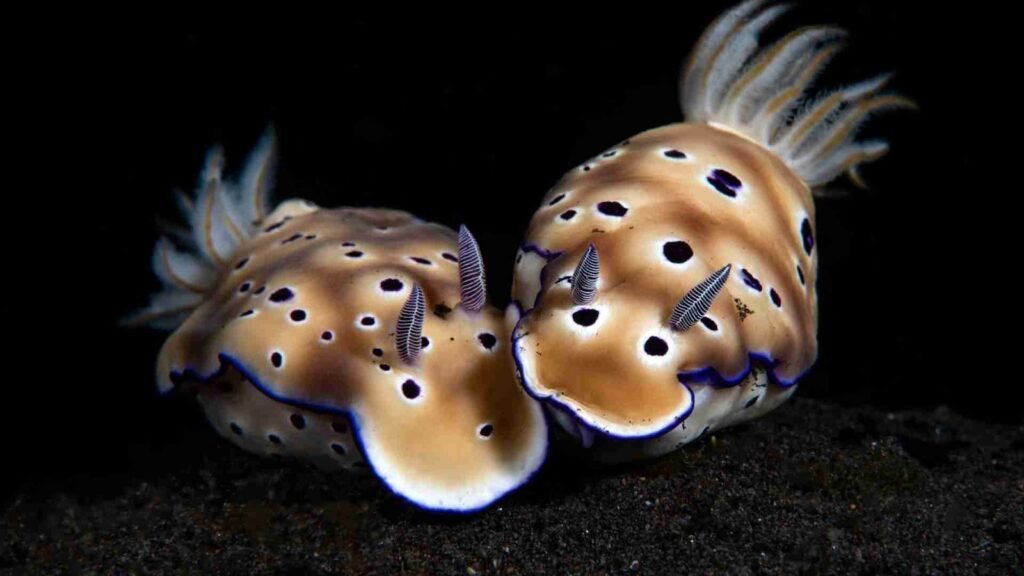
Understanding What Makes a Great Camera for Underwater Macro Photography
Before diving into camera recommendations, it’s essential to understand what truly makes a camera ideal for underwater macro photography. Shooting tiny sea creatures underwater is far more challenging than regular macro work on land. The lighting is dim, color balance shifts as you go deeper, and your subjects are often moving slightly due to water currents.
The best camera for underwater macro photography needs to handle all of these conditions gracefully. The key factors include:
- High-resolution sensor: A detailed sensor helps you capture the intricate textures of underwater subjects – like the delicate arms of a brittle star or the eyes of a pygmy seahorse.
- Accurate autofocus: Macro work requires quick and precise focus, especially when your subject is only a few centimeters wide.
- Manual controls: Fine-tuning aperture, shutter speed, and ISO underwater is crucial for perfect exposure and depth of field.
- Good lens compatibility: You’ll want a setup that works well with dedicated macro lenses or wet diopters.
- Durable underwater housing: A reliable housing is your first line of defense against pressure and leaks.
Now that we’ve covered the essentials, let’s explore the top models that dominate the underwater macro scene in 2025.
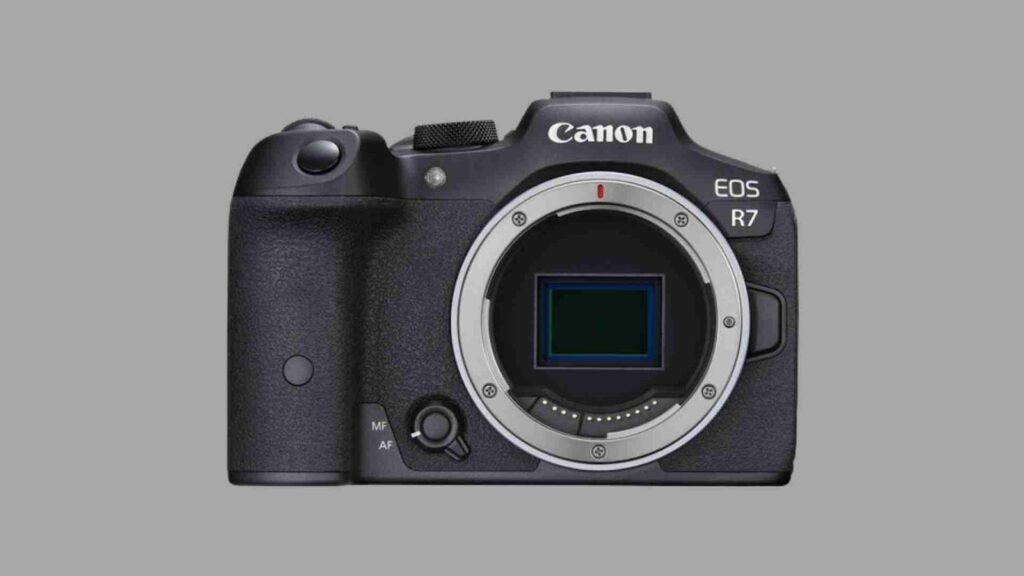
Canon EOS R7 – The Perfect Balance of Price and Performance
If you’re looking for a camera that offers both versatility and precision, the Canon EOS R7 is one of the best cameras for underwater macro photography this year. Canon’s mirrorless APS-C model delivers stunning image quality, fast autofocus, and excellent stabilization – all in a compact, dive-friendly body.
The R7’s 32.5MP APS-C sensor provides ample resolution for macro details while its Dual Pixel CMOS AF II system ensures fast, accurate focusing even in low-light underwater conditions. The in-body image stabilization (IBIS) helps minimize micro-movements caused by currents or your own breathing.
Another reason divers love the R7 is its compatibility with Canon’s RF lenses and EF lenses (via adapter). Pair it with the Canon RF 100mm f/2.8L Macro lens, and you’ll get crisp, high-magnification results with minimal distortion. Its 4K 60p video capture also makes it a fantastic hybrid choice for those who want to shoot both photos and underwater macro videos.
Underwater housings from brands like Nauticam and Ikelite make this camera easy to adapt for serious dive work. Considering its price, image quality, and speed, the Canon EOS R7 offers one of the best values among cameras for underwater macro photography in 2025.
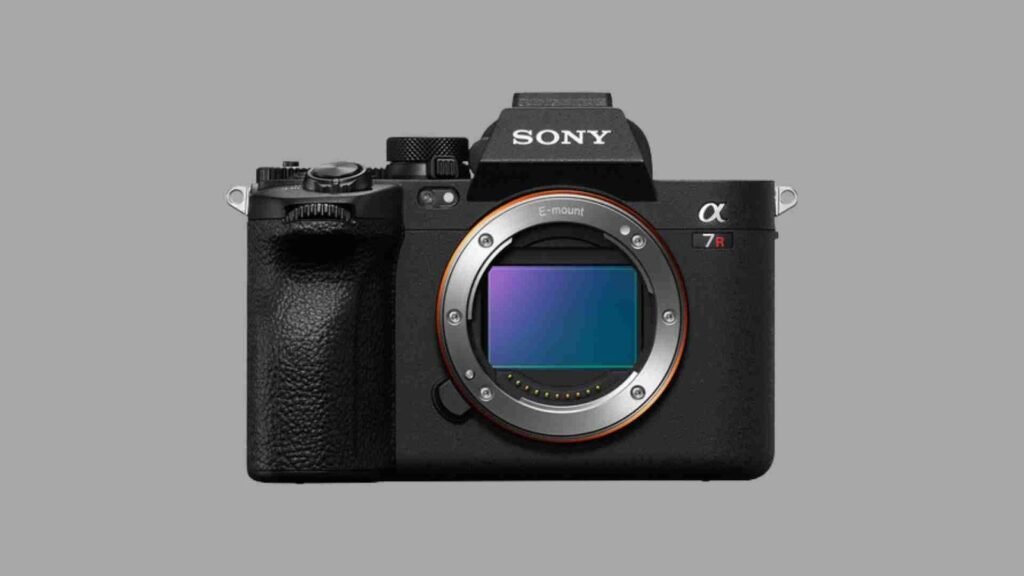
Sony A7R V – For the Perfectionist Macro Shooter
If you’re after ultimate image quality and resolution, the Sony A7R V easily ranks among the best cameras for underwater macro photography. This full-frame powerhouse features a stunning 61MP sensor, producing images with incredible detail and dynamic range. Every pore on a coral, every scale on a tiny fish – all rendered with breathtaking precision.
Sony has also refined its autofocus system for the A7R V, making it lightning-fast and extremely accurate even in tricky low-contrast underwater scenes. Its AI-driven subject detection recognizes patterns and textures, helping you lock focus on small, moving subjects like shrimp or nudibranchs with ease.
The A7R V’s five-axis IBIS is a huge plus underwater. Combined with a stable tray and arm setup, it allows you to shoot handheld macro shots without losing sharpness.
Of course, this level of quality comes at a higher price point, and you’ll need to invest in premium underwater housing. But for professionals or serious hobbyists who want no compromises, the Sony A7R V stands tall as one of the best full-frame cameras for underwater macro photography in 2025.
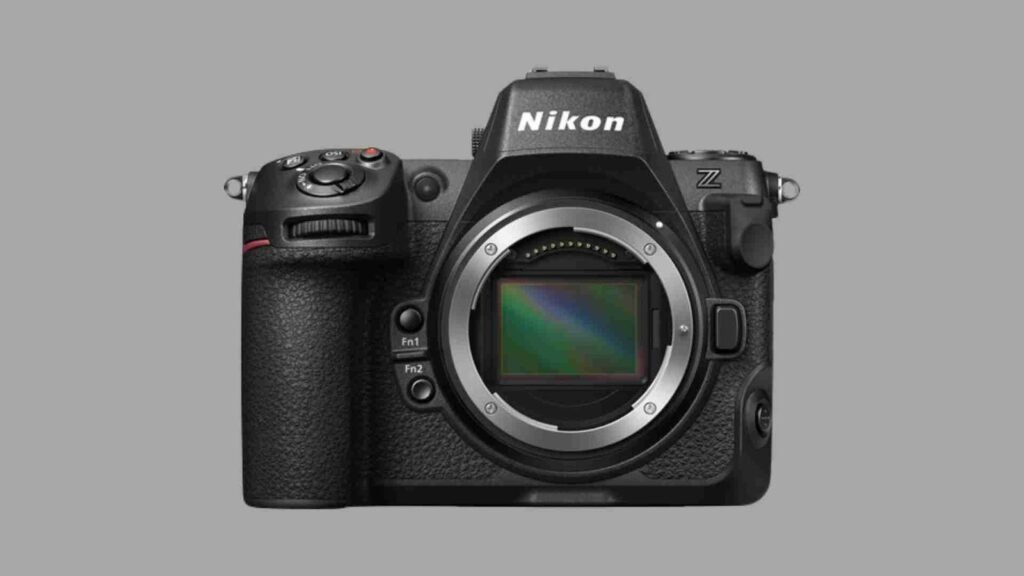
Nikon Z8 – Power Meets Practicality
Nikon’s Z8 has quickly gained fame among underwater shooters, and for good reason. Essentially a compact version of the flagship Z9, the Z8 brings professional power into a more manageable form factor – perfect for divers who want cutting-edge features without carrying a bulky setup.
The Z8 features a 45.7MP stacked CMOS sensor and advanced EXPEED 7 processor, giving you ultra-fast performance and exceptional detail. The autofocus tracking works brilliantly underwater, even with small subjects in challenging lighting. The electronic shutter eliminates rolling shutter distortion, which is helpful when capturing tiny moving marine life.
When paired with Nikon’s superb Z MC 105mm f/2.8 VR S macro lens, the Z8 delivers exceptional sharpness and color accuracy – essential traits for macro photographers. It also records 8K video internally, giving videographers remarkable creative flexibility.
Housings from brands like Aquatica and Nauticam have optimized the ergonomics for underwater use, ensuring quick access to controls while diving. If you’re after a professional-grade system, the Nikon Z8 is undeniably one of the best cameras for underwater macro photography on the market right now.
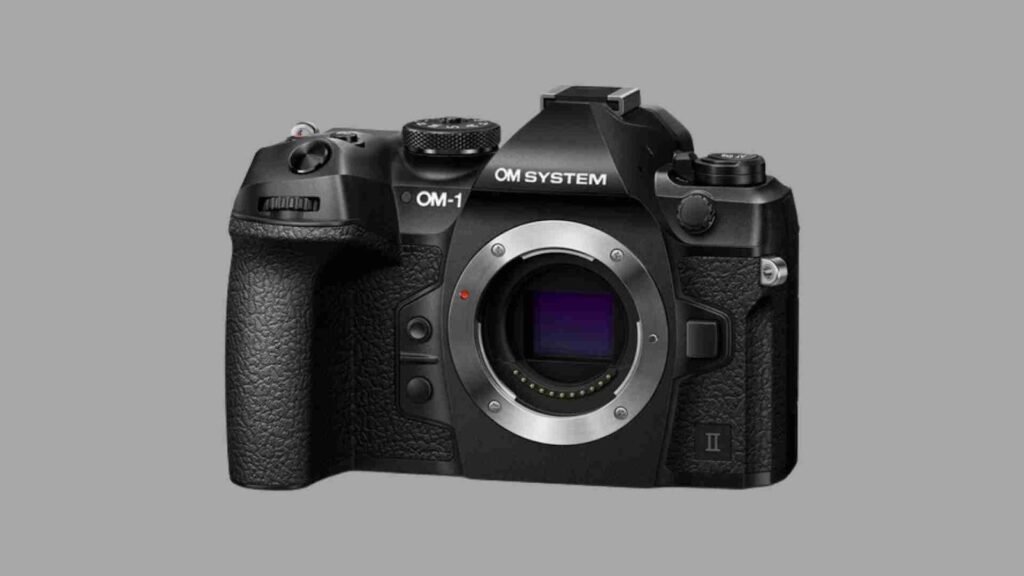
Olympus OM System OM-1 Mark II – The Compact Champion
Not every diver wants to carry a large, full-frame system underwater. For those who prefer a lighter and more agile setup, the Olympus OM System OM-1 Mark II is an excellent choice. This Micro Four Thirds camera punches well above its weight, offering fantastic image quality and impressive macro capabilities in a smaller form factor.
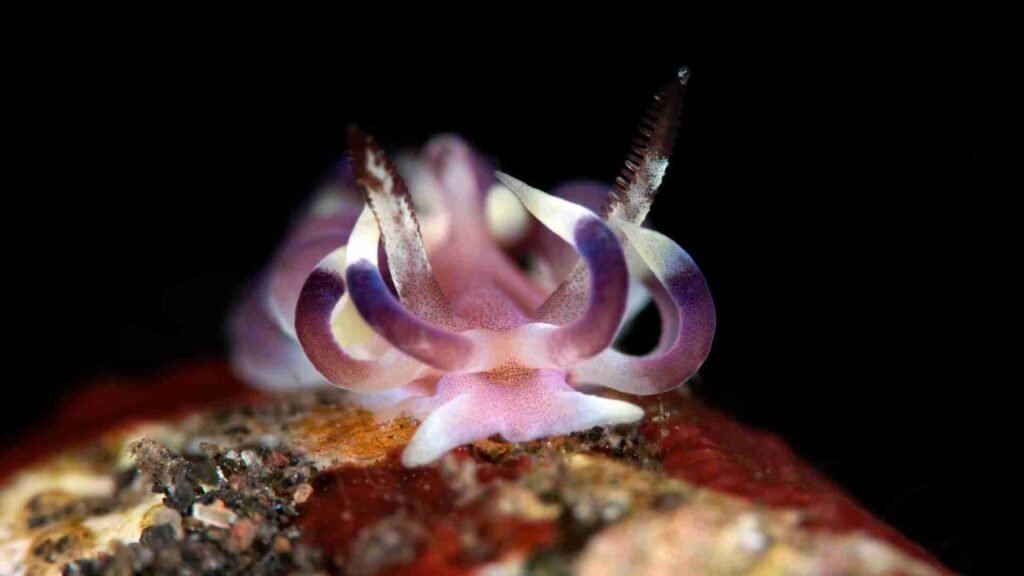
Its 20MP stacked BSI sensor might sound modest, but the OM-1’s computational imaging features make a real difference. The Focus Stacking and Focus Bracketing modes let you capture razor-sharp macro images with extended depth of field – perfect for shooting small creatures up close without blur.
Another major advantage is Olympus’s legendary in-body stabilization system. When you’re floating in midwater trying to focus on a 2cm nudibranch, that extra stability is priceless. The OM-1’s weather-sealed body and long battery life also make it a reliable companion for dive expeditions.
With affordable underwater housings available from Nauticam, Isotta, and AOI, the OM-1 Mark II is one of the best compact cameras for underwater macro photography, ideal for travelers or dive enthusiasts who want great results without the weight.
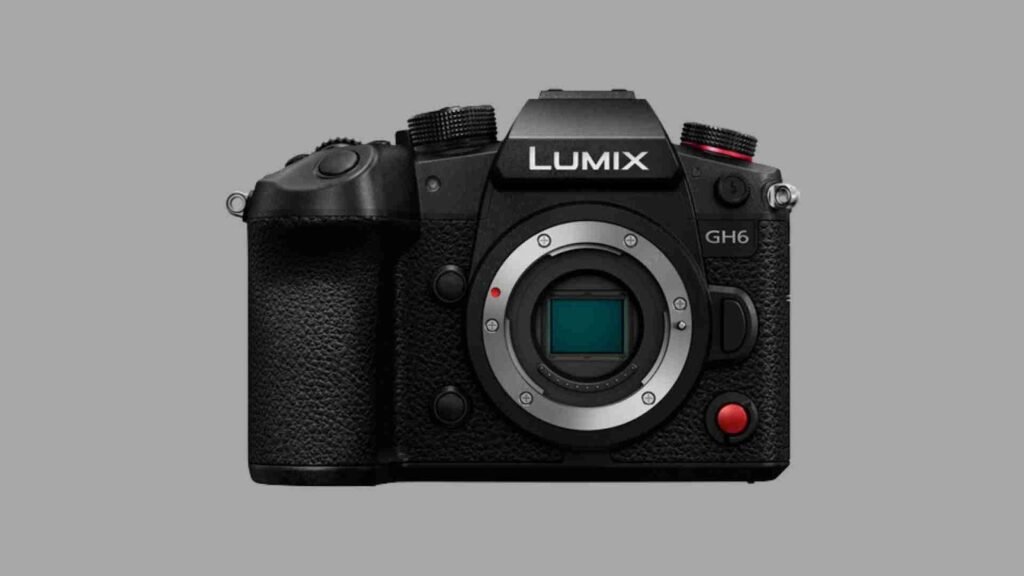
Panasonic Lumix GH6 – The Hybrid Macro Beast
For divers who love both stills and video, the Panasonic Lumix GH6 stands out as a versatile and creative powerhouse. Its 25.2MP Micro Four Thirds sensor delivers clean, detailed images, while its video capabilities are second to none in this price range.
The GH6’s high dynamic range and color science make underwater scenes pop with natural tones – especially when you use strobes or video lights. It also supports internal 5.7K ProRes recording, giving videographers cinematic quality that’s rarely seen in compact systems.
Autofocus on the GH6 has improved dramatically, with faster tracking and better subject recognition underwater. Pair it with a high-quality macro lens like the Olympus 60mm f/2.8, and you’ll have a setup that performs exceptionally well for both stills and macro video work.
Because of its modularity and housing options, the GH6 is one of the best cameras for underwater macro photography if you want a reliable hybrid camera that excels in both worlds.
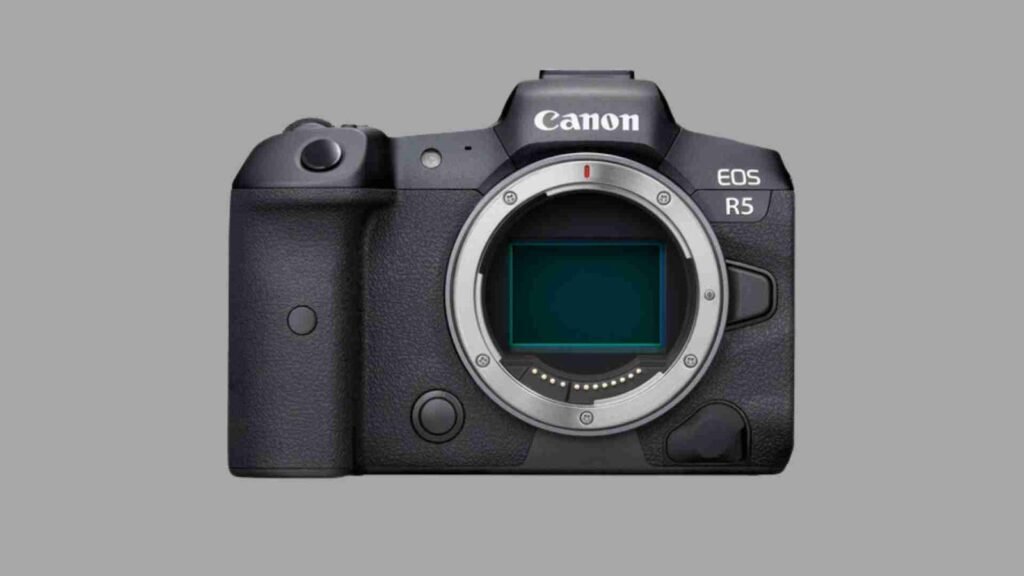
Canon EOS R5 – For Professionals Who Demand Perfection
If you’re a professional underwater photographer looking for a high-end system that delivers consistent, gallery-worthy images, the Canon EOS R5 remains a top-tier choice in 2025.
The R5’s 45MP full-frame sensor provides extraordinary detail and color accuracy. Combined with Canon’s Dual Pixel AF II, it locks onto tiny subjects with precision even in dimly lit dive sites. Its 8K video capabilities also make it a fantastic tool for macro videography, letting you crop in without losing clarity.
Paired with the Canon RF 100mm f/2.8L Macro IS lens, the R5 achieves incredible close-up sharpness. The camera’s IBIS system works in harmony with the lens’s optical stabilization, giving you rock-solid results even at high magnifications.
Despite being released a few years ago, the EOS R5 continues to evolve through firmware updates, keeping it competitive with newer models. With premium housing options and proven reliability, the R5 remains one of the best professional cameras for underwater macro photography this year.
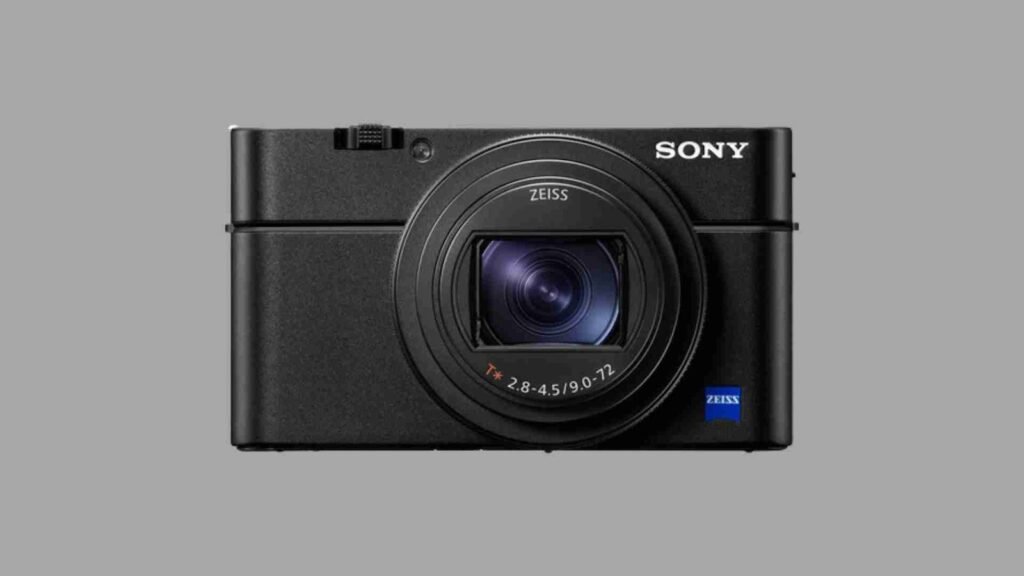
Sony RX100 VII – A Compact Powerhouse for Casual Divers
Not every diver wants to carry a large rig underwater. If you’re looking for a lightweight, travel-friendly setup, the Sony RX100 VII deserves your attention. This compact camera has long been a favorite among underwater enthusiasts because it packs professional features into a pocket-sized body.
The RX100 VII’s 1-inch sensor captures impressive detail, and its fast autofocus system ensures that even tiny, fast-moving creatures come out sharp. It also offers a versatile zoom lens (24–200mm equivalent), giving you flexibility for both macro and wide shots on the same dive.
One of the biggest benefits of the RX100 VII is how easy it is to use. It’s ideal for divers who are new to macro photography but still want excellent results. Affordable underwater housings from SeaFrogs, Fantasea, and Nauticam make it an accessible choice.
For its portability, performance, and ease of use, the RX100 VII remains one of the best compact cameras for underwater macro photography – especially for hobbyists who don’t want to deal with interchangeable lenses.
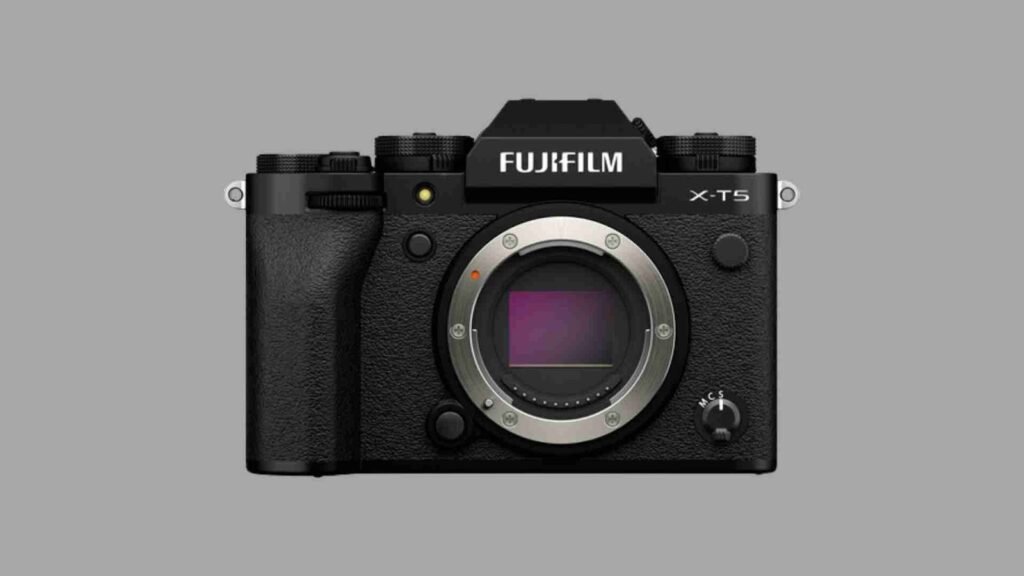
Fujifilm X-T5 – The Artist’s Choice for Color and Detail
If you love expressive color science and stunning textures, the Fujifilm X-T5 might be the best camera for underwater macro photography for your creative style. This camera carries Fujifilm’s signature film simulations, giving underwater subjects that soft, natural tone that many photographers adore.
The X-T5’s 40MP APS-C sensor delivers incredible sharpness, perfect for detailed macro shots of sea slugs, coral, or the delicate structure of jellyfish. Fujifilm’s color science reproduces blues, reds, and greens beautifully – something every underwater shooter appreciates since color correction can be tricky below the surface.
Its compact size makes it easy to handle underwater, especially when paired with a Nauticam housing. The controls are intuitive, letting you adjust ISO, shutter speed, and aperture on the fly. Autofocus performance has also improved dramatically, allowing for precise subject tracking underwater.
When paired with the XF 80mm f/2.8 Macro lens, the X-T5 gives professional results while maintaining a compact rig size. It’s a fantastic choice for divers who want creative color output and high-resolution detail without carrying a full-frame system.
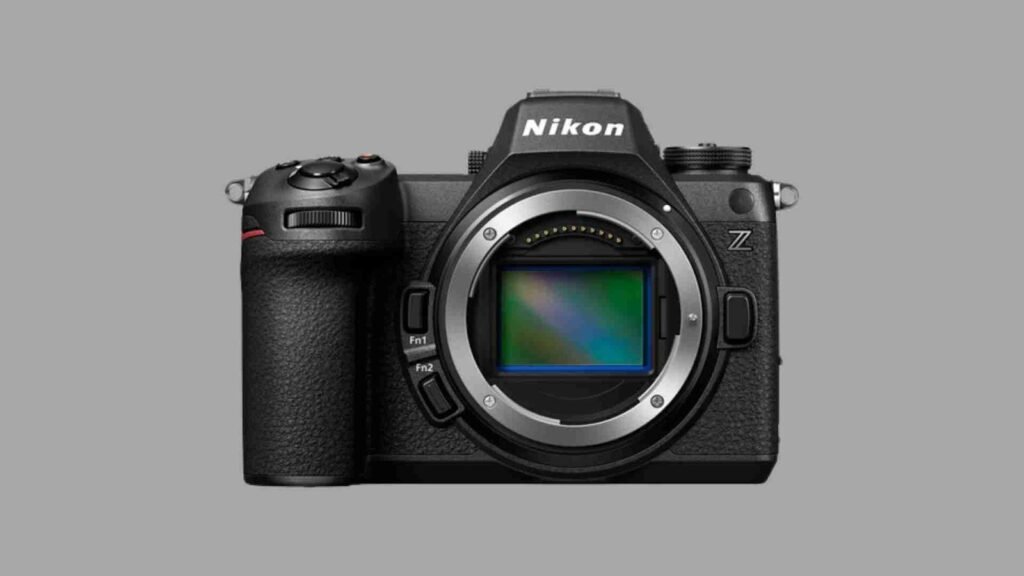
Nikon Z6 III – A Versatile Workhorse for Enthusiasts
Released in 2025, the Nikon Z6 III bridges the gap between beginner and professional underwater macro shooters. It offers many of the features of the Z8 but in a more affordable and compact package, making it one of the best mid-range cameras for underwater macro photography.
The 24.5MP sensor might not sound like much compared to 45MP models, but it produces exceptional low-light performance – a critical factor when shooting in dim dive sites or late-day conditions. Its autofocus is lightning fast, and with Nikon’s Real-Time Tracking, even the tiniest creatures can be captured sharply.
The Z6 III also supports 6K video, allowing you to capture beautiful underwater footage and extract stills later. When combined with the Nikon Z MC 105mm macro lens and a quality strobe setup, the results are professional-grade.
For divers who want performance, versatility, and affordability in one package, the Nikon Z6 III stands as one of the most balanced and best cameras for underwater macro photography in 2025.
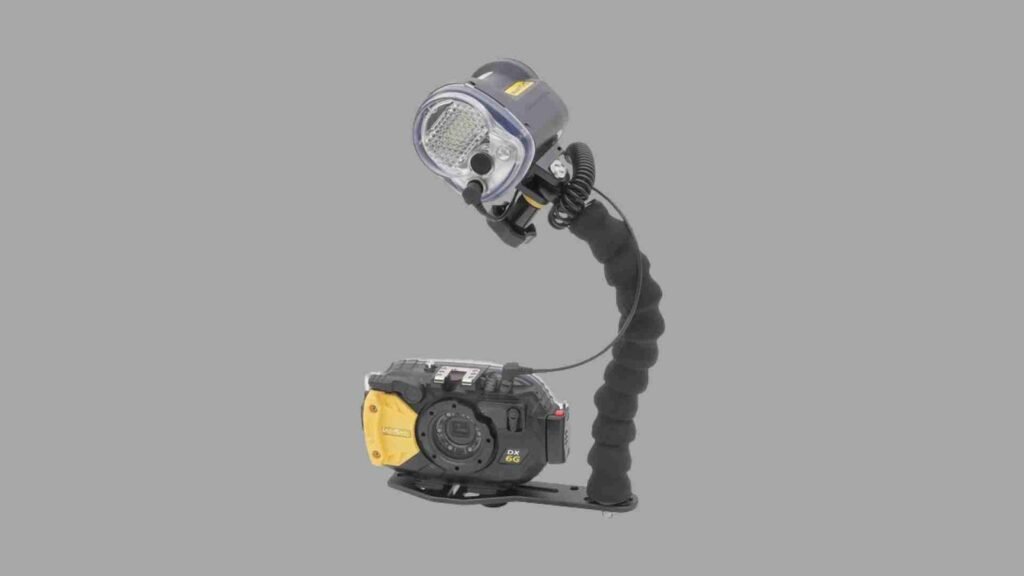
Sea & Sea DX-6G – The Rugged Compact Option
Some divers don’t want interchangeable lenses, housings, or complicated setups. They want something simple, durable, and ready for adventure. That’s where the Sea & Sea DX-6G shines. It’s a compact, waterproof camera built specifically for diving environments.
The DX-6G can handle depths of up to 14 meters without an additional housing, and with Sea & Sea’s optional external strobe and wet lenses, it transforms into a surprisingly capable macro system. Its 16MP sensor and macro mode allow you to get close to small creatures and still retain impressive detail.
While it doesn’t offer the same image quality as mirrorless or full-frame cameras, its durability and ease of use make it perfect for casual divers or those who want a reliable backup camera underwater. If simplicity and toughness are what you’re after, the DX-6G earns a place among the best compact cameras for underwater macro photography.
How to Choose the Best Camera for Underwater Macro Photography
With so many great options available, choosing the best camera for underwater macro photography depends on your experience level, budget, and creative goals. Here’s what to keep in mind when making your decision.
1. Consider Your Experience Level
If you’re new to underwater macro photography, start with a compact or entry-level mirrorless system. Cameras like the Sony RX100 VII or Canon EOS R7 offer excellent results without overwhelming complexity.
Intermediate and professional divers might prefer systems like the Nikon Z8, Sony A7R V, or Canon R5 – these deliver higher image quality and more control but come at a greater cost and size.
2. Set a Realistic Budget
Remember that your underwater camera setup is more than just the camera body. You’ll need to factor in housing, lenses, ports, arms, trays, and lighting equipment. Sometimes, the housing and accessories can cost as much as (or more than) the camera itself.
A smart strategy is to allocate your budget like this: 40% for the camera, 40% for housing and lenses, and 20% for lighting gear. This ensures you’re not skimping on essential components that directly affect image quality.
3. Choose the Right Lens for Macro
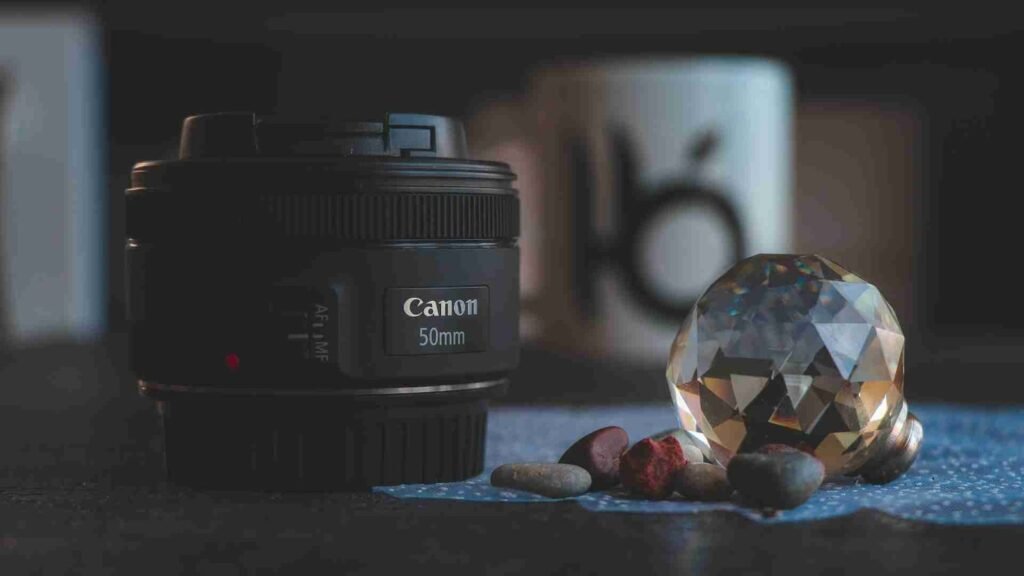
A camera is only as good as the lens attached to it. The best camera for underwater macro photography works best with a high-quality macro lens – one that provides sharp focus, minimal distortion, and good magnification.
For interchangeable-lens systems, look for:
- Canon RF 100mm f/2.8L Macro IS
- Nikon Z MC 105mm f/2.8 VR S
- Sony FE 90mm f/2.8 Macro G OSS
- Olympus 60mm f/2.8 Macro (for Micro Four Thirds)
If you’re using a compact camera, consider adding a wet diopter (close-up lens) to increase magnification. Popular models from Nauticam or Inon can turn even a small sensor camera into a capable macro shooter.
4. Lighting Is Everything
No matter how good your camera is, underwater macro photography lives and dies by light. As you descend, natural light fades and colors shift toward blue-green hues. External strobes or video lights are crucial for revealing true color and sharp detail.
When choosing lights, look for ones that have adjustable output, fast recycle times, and diffusers for soft illumination. A twin-strobe setup gives the best results, letting you shape light and avoid harsh shadows.
5. Stability and Positioning
Shooting macro underwater requires patience and precision. Even the slightest movement can throw your subject out of focus. Use a sturdy tray with dual handles to stabilize your setup, and practice slow, controlled breathing to minimize camera shake.
For super close-up work, consider a focus light to help your camera’s autofocus lock onto subjects more accurately.
Tips for Getting the Most Out of Your Underwater Macro Camera
Having the best camera for underwater macro photography won’t automatically guarantee great shots – you also need to master your technique. Here are some tips to help you maximize your results:
Get Close – Then Get Closer
Macro photography is all about proximity. The closer you get, the more color, detail, and sharpness you’ll capture. Just be mindful not to disturb marine life or the environment – patience pays off.
Shoot in Manual Mode
Automatic settings often fail underwater because light behaves differently beneath the surface. Shooting in manual gives you full control over exposure, allowing you to balance ambient and artificial light effectively.
Focus on the Eyes
Whether it’s a shrimp, crab, or seahorse, the eyes should be your sharpest point. Train your focus on the eyes to bring life and connection to your macro images.
Use a Small Aperture
Apertures between f/8 and f/16 help maintain more depth of field, ensuring more of your tiny subject stays in focus. However, balance this with strobe power to keep exposures bright.
Review and Adjust
Check your images frequently. Look for backscatter (tiny floating particles that reflect light) and adjust your strobe angles to minimize it. Reviewing between shots helps refine your settings and improve results during the dive.
The Future of Underwater Macro Photography in 2025
Underwater imaging technology continues to evolve rapidly. Cameras are getting faster, more intelligent, and better at handling low light. AI-driven autofocus, improved color science, and high-bit-depth video are transforming how divers capture marine life.
In 2025, mirrorless systems dominate the market, offering lighter and more efficient setups compared to DSLRs. The rise of compact cameras with large sensors has also made macro photography more accessible to recreational divers.
We’re also seeing innovative accessories like automatic focus lights, built-in underwater color correction profiles, and wireless strobe synchronization – all making it easier for photographers to get stunning results with less post-processing.
No matter which system you choose, the best advice remains the same: understand your camera, respect marine life, and keep experimenting. The ocean rewards patience, curiosity, and creativity.
Final Thoughts – Finding Your Perfect Setup
So, which is the best camera for underwater macro photography in 2025? The answer depends on you.
If you’re a beginner who wants an easy start, the Sony RX100 VII or Olympus OM-1 Mark II are lightweight and forgiving. For intermediate shooters ready to invest more, the Canon EOS R7 or Nikon Z6 III deliver stunning results without breaking the bank. Professionals chasing ultimate image quality can’t go wrong with the Sony A7R V, Canon R5, or Nikon Z8.
Each of these models brings something unique – from portability and price to unmatched image performance. The key is to choose the one that aligns with your goals and diving style.
Bring Out the Best in Your Images with aitinsider
Even with the best camera for underwater macro photography, post-processing is where your images truly come alive. That’s where our team at aitinsider can help.
We specialize in professional image editing, color correction, and retouching services – helping photographers and diving enthusiasts refine their underwater shots to perfection. Whether it’s removing backscatter, enhancing color tones, or balancing exposure, our expert editors ensure every detail shines exactly as you envisioned.
Your underwater adventures deserve the best presentation. Visit aitinsider today and let our professional editors transform your raw captures into breathtaking works of art that stand out in portfolios, exhibitions, or social media.
Because great photography doesn’t end when you surface – it begins again in post-production.