
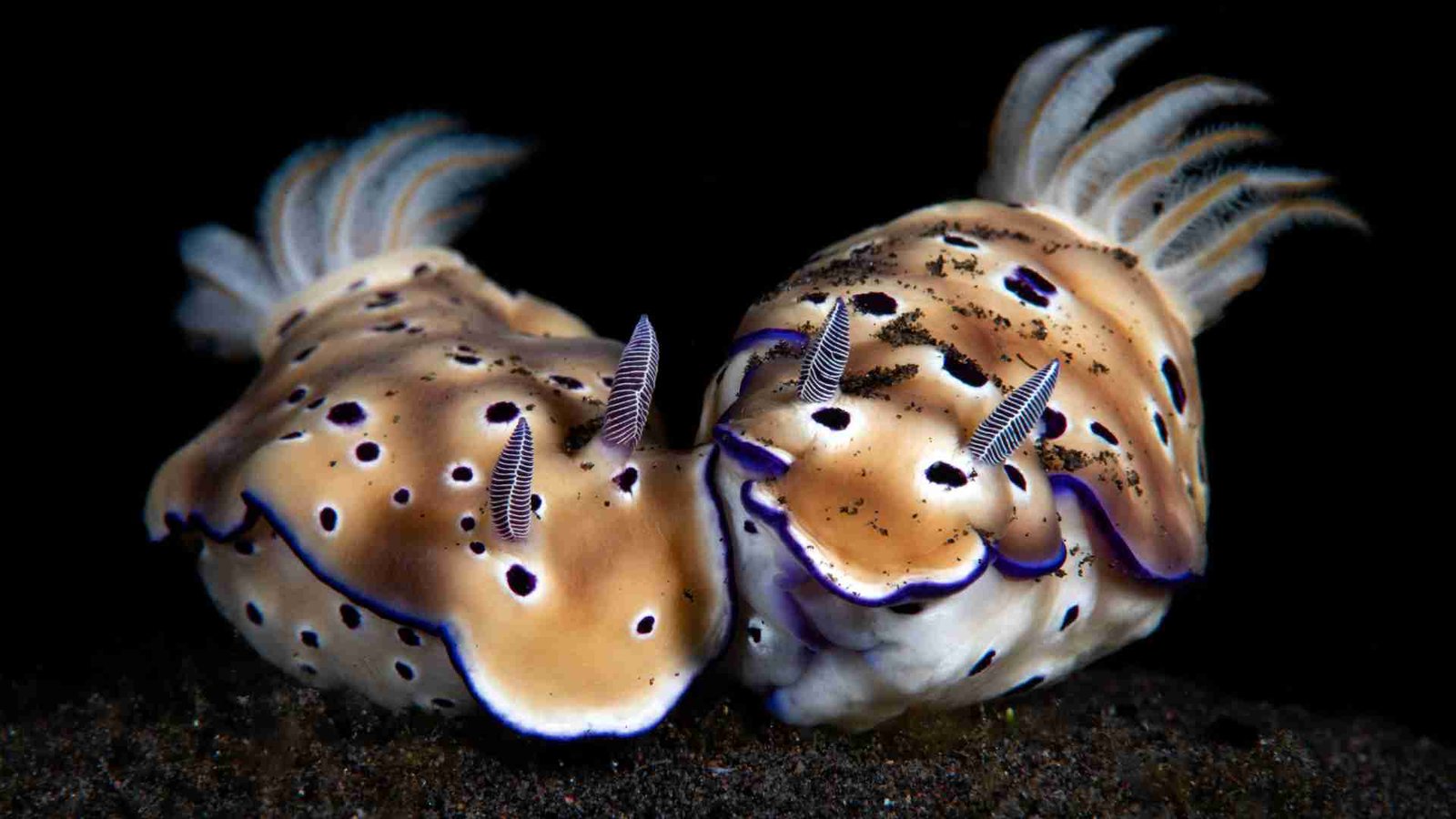
Underwater macro photography opens a fascinating window into the tiny worlds beneath the water’s surface. This form of photography allows you to capture small marine creatures, corals, and intricate details that most people never notice. The vibrant colors, delicate textures, and unique behaviors of underwater life make macro photography an exciting challenge for beginners and professionals alike. While it may seem intimidating at first, understanding the basics, choosing the right gear, and learning effective techniques will help you create stunning images.
Unlike photography on land, underwater macro photography involves dealing with water movement, limited light, and color changes. Water can scatter light and absorb colors, making subjects appear dull or washed out if not illuminated properly. By learning to control your equipment and lighting, you can bring out the true beauty of these tiny subjects. Every dive offers new opportunities to experiment with composition, focus, and light, making each underwater macro session a chance to improve your skills.
Understanding Underwater Macro Photography
Before you even touch a camera, it’s important to understand what underwater macro photography really is. Macro photography focuses on photographing small subjects up close, revealing details that are not visible to the naked eye. Underwater macro photography applies the same principle but in a challenging aquatic environment. Water acts as a filter, affecting light, color, and clarity, which makes shooting underwater much different from shooting on land. The key is to master your equipment, lighting, and composition to bring out the fine details of tiny marine life.
When you start with underwater macro photography, you will quickly realize that patience and observation are your greatest allies. Small marine creatures move differently than terrestrial ones, and their behavior can change depending on currents, light, and time of day. By studying your subject and the environment, you can anticipate their movement and find the perfect moment to capture them. The beauty of underwater macro photography is that it allows you to tell unique stories about life in our oceans, creating images that are both artistic and scientifically interesting.
Choosing the Right Gear
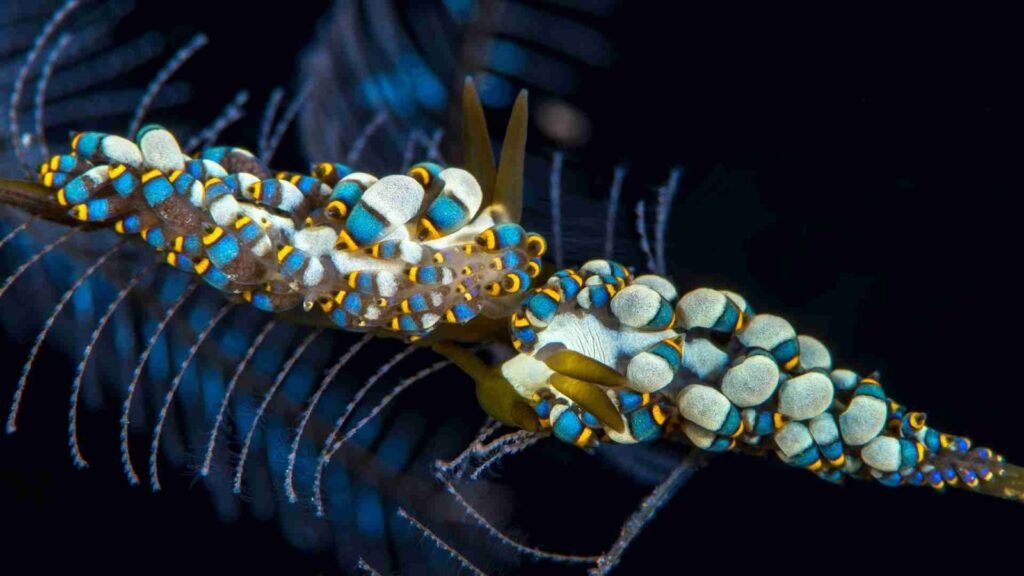
Gear plays a crucial role in underwater macro photography. For beginners, selecting the right camera and accessories can make the learning process smoother. Many photographers start with compact cameras that offer macro modes, but mirrorless cameras and DSLRs are excellent options for higher quality images. When choosing your camera, consider one that performs well in low light and allows manual control over focus and exposure.
Equally important is selecting a suitable underwater housing for your camera. The housing protects your equipment from water while maintaining access to key controls. Many housings also allow for the attachment of strobes or lights, which are essential for macro photography. A good strobe or video light helps illuminate subjects and brings out their natural colors, which are often lost underwater due to light absorption. Investing in a high-quality lens for macro photography, like a dedicated macro lens or a close-up port, will also significantly improve your results. With the right gear, you can focus more on creativity and less on technical limitations.
Mastering Buoyancy and Positioning
One of the most overlooked aspects of underwater macro photography is buoyancy control. Unlike land photography, you need to maintain a steady position in water while framing your subject. Poor buoyancy can lead to blurry images or accidental damage to marine life. Beginners should spend time practicing neutral buoyancy, which allows you to hover effortlessly without touching the reef or disturbing the environment.
Positioning is equally important. In underwater macro photography, the angle and distance from your subject can drastically affect the composition and sharpness of your images. A good rule of thumb is to get as close as possible to your subject while ensuring the background enhances the scene rather than distracting from it. Shooting slightly upward toward the surface often adds a natural light effect and creates a pleasing contrast with the subject. By mastering buoyancy and positioning, you create a stable foundation for capturing clear, vibrant macro shots.
Understanding Light and Color Underwater
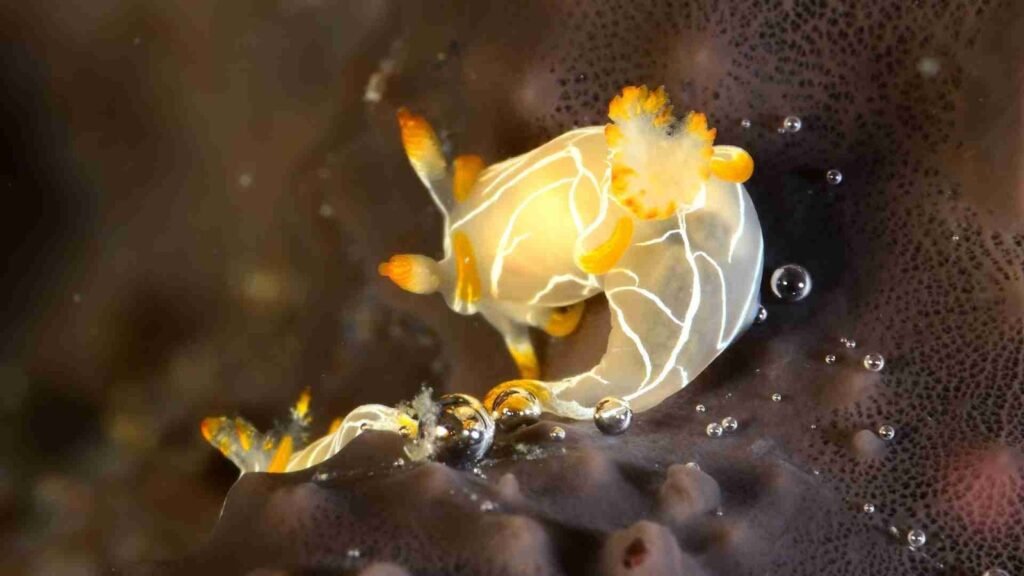
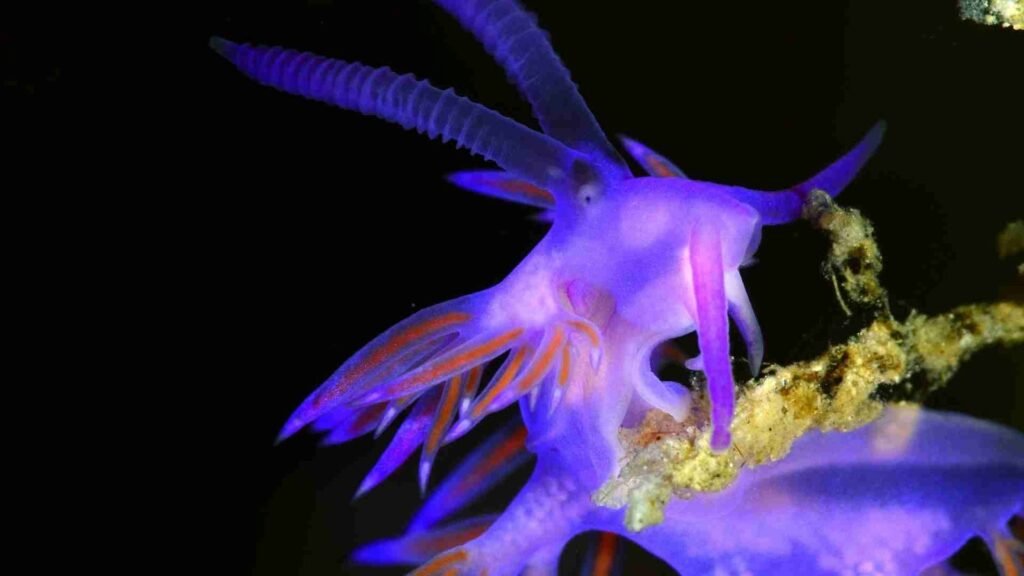
Lighting is one of the biggest challenges in underwater macro photography. Water absorbs light, especially red and yellow wavelengths, leaving images with a blue or green tint if not properly corrected. Using external strobes or video lights is essential to restore colors and highlight the textures of your subject. The positioning of the light also matters; side lighting or diffused light helps reveal fine details without creating harsh shadows.
Learning how to balance natural and artificial light is crucial. In shallow waters, ambient sunlight can supplement your strobes, creating more natural-looking images. In deeper water or low-light conditions, relying on strobes becomes necessary to achieve vibrant colors and sharp details. Understanding how light behaves underwater will allow you to make creative choices, enhancing your images and capturing the true essence of your subjects.
Choosing Subjects for Beginners
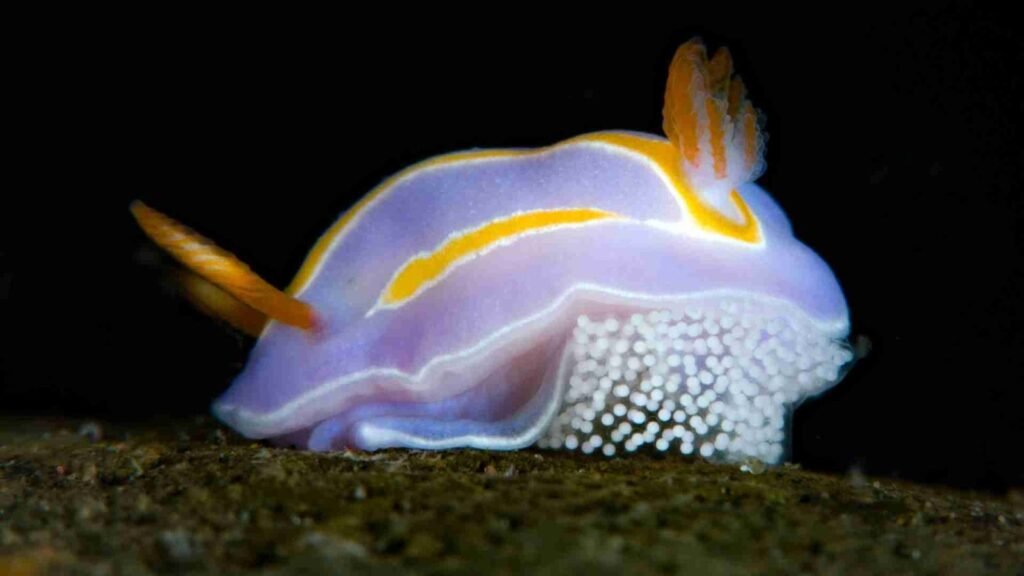
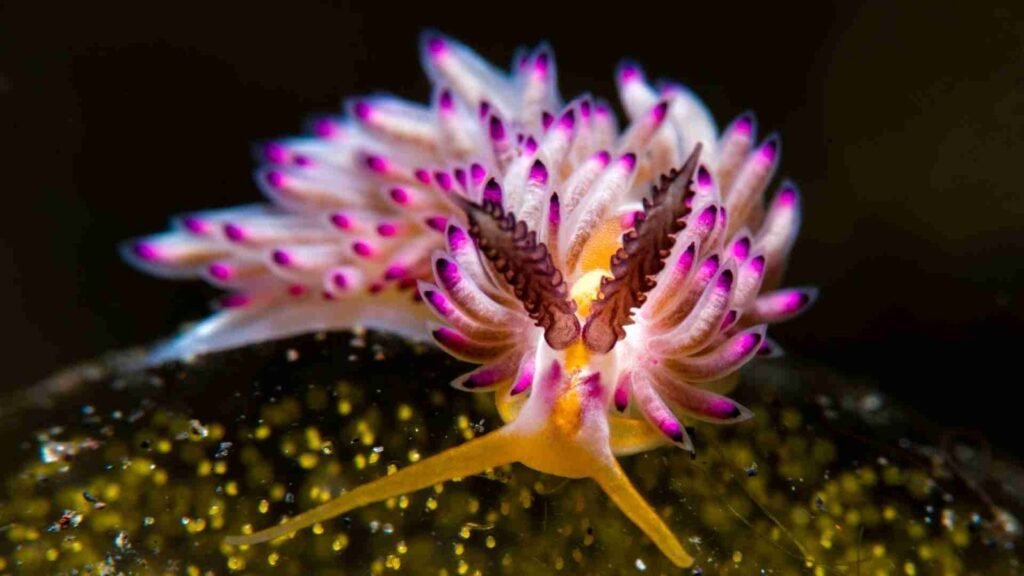
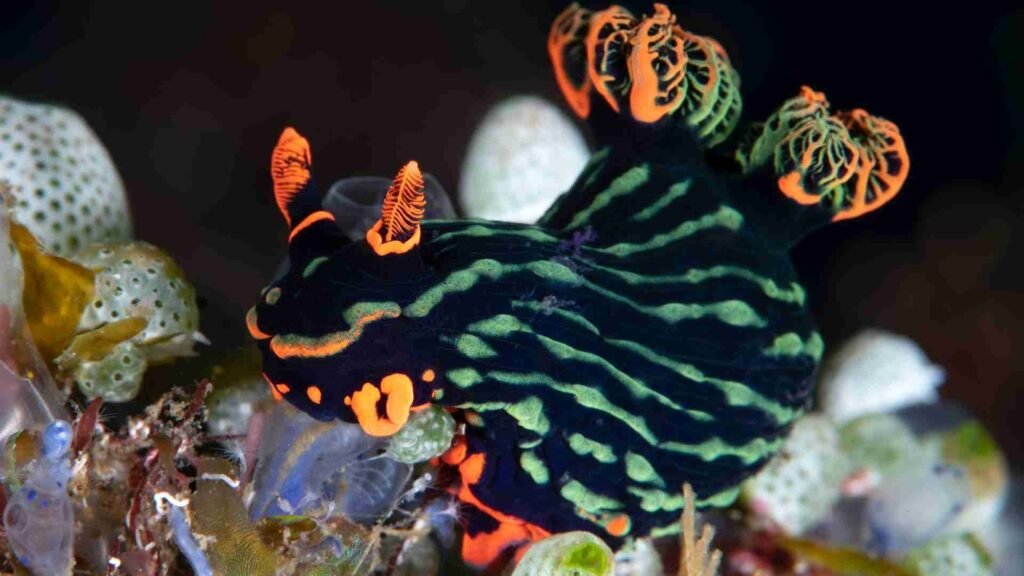
As a beginner, choosing the right subjects can make your learning curve smoother and your results more rewarding. Start with slower-moving or stationary creatures such as nudibranchs, sea slugs, small crabs, or corals. These subjects allow you to practice composition, focus, and lighting without the stress of tracking fast-moving fish. Observing behavior and patterns can also help you anticipate movements, giving you more control over your shots.
Macro photography underwater is not only about tiny creatures; textures, patterns, and colors also make excellent subjects. Close-ups of coral formations, sand patterns, or even bubbles on the water surface can create compelling images. Experimenting with a variety of subjects will help you understand the environment and develop your creative eye. Remember, patience and curiosity are your best friends in underwater macro photography.
Camera Settings for Underwater Macro Photography
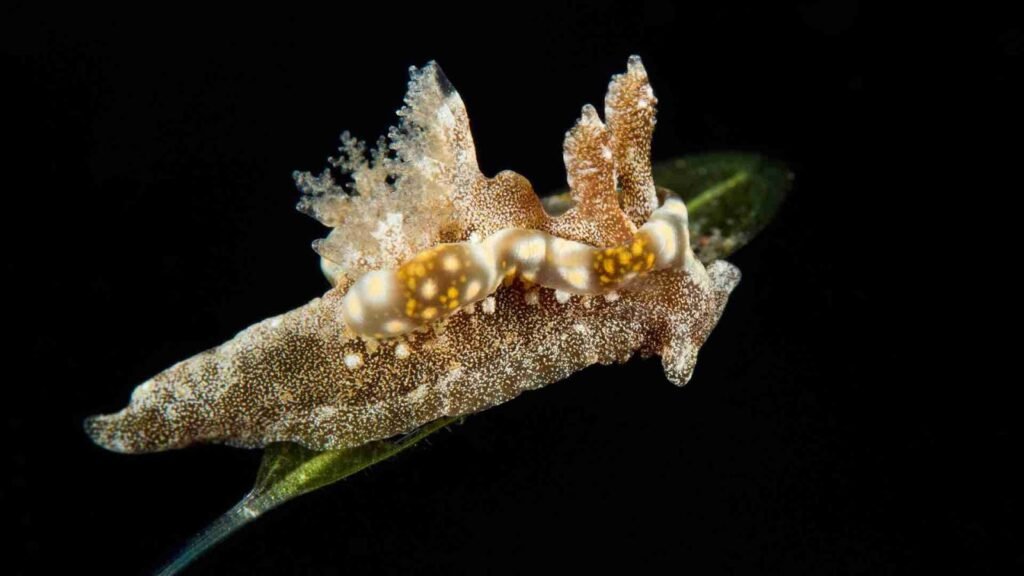
Camera settings play a vital role in capturing sharp and detailed macro images underwater. Beginners should start with aperture-priority mode to control depth of field while letting the camera handle exposure. A smaller aperture (higher f-number) increases depth of field, which is useful for tiny subjects where focus precision is critical. Shutter speed should be fast enough to freeze motion, especially if your subject moves or water currents are present.
ISO settings need careful consideration as higher ISO can introduce noise, reducing image quality. Most underwater macro photographers aim for the lowest ISO that still allows proper exposure. Autofocus can be tricky underwater, so learning how to use manual focus or focus peaking features is helpful. Consistent practice with different settings will build your confidence and improve your ability to adapt to varying underwater conditions.
Composition Tips for Stunning Macro Shots
Good composition can transform a simple underwater macro shot into a stunning image. Pay attention to the background; cluttered or bright backgrounds can distract from your subject. Using a shallow depth of field helps isolate the subject and makes it stand out. Placing the subject off-center using the rule of thirds often creates a more dynamic image.
Look for leading lines, natural frames, and contrasting colors to enhance the visual appeal of your photos. Getting creative with angles-shooting from below, above, or at eye level with your subject-can provide unique perspectives. Even small adjustments in framing can make a big difference in how your images are perceived. Practicing these composition techniques will help you develop your personal style in underwater macro photography.
Advanced Techniques for Underwater Macro Photography
Once you are comfortable with the basics, you can start experimenting with advanced techniques in underwater macro photography. One powerful method is focus stacking, where multiple images at different focus points are combined to create a single image with greater depth of field. This is especially useful for very small subjects where capturing all the details in one shot is difficult. Focus stacking requires patience and precise control, but it can take your macro photography to the next level.
Another technique is using creative lighting to highlight textures, shapes, and colors. Playing with backlighting, side lighting, or diffused strobe setups can add depth and drama to your images. Reflections and shadows can also be used artistically, adding a sense of three-dimensionality to small subjects. Advanced techniques allow you to move beyond simple documentation of marine life and create images that are visually compelling and unique.
Post-Processing Tips
Post-processing is an essential part of underwater macro photography. Even with perfect shooting techniques, underwater conditions can result in color loss, low contrast, or slight distortions. Using editing software, you can restore colors, enhance contrast, and fine-tune details to make your images stand out. Beginners should start with basic adjustments like white balance correction, exposure, and sharpness. Gradually, you can explore more advanced edits such as noise reduction, focus enhancement, and selective color adjustments.
At this stage, you might also consider professional image editing services to achieve high-quality results. Websites like aitinsider specialize in retouching and enhancing underwater images, helping photographers bring their creative vision to life. Outsourcing certain edits can save time and ensure consistent, polished results while you focus on improving your shooting skills.
Safety and Ethical Considerations
Underwater macro photography is not just about the technical aspects; safety and ethical considerations are equally important. Always dive within your training limits, use a buddy system, and be aware of your surroundings to prevent accidents. Marine life can be delicate, so avoid touching or disturbing your subjects. Maintaining a safe distance ensures both your safety and the preservation of the ecosystem.
Respecting marine life is critical. Many creatures are sensitive to light and movement, so approach slowly and calmly. Avoid chasing or stressing animals, as this can harm them and reduce your chances of getting good photographs. Ethical underwater macro photography means capturing the beauty of the ocean without causing damage, ensuring that future photographers can enjoy the same opportunities.
Common Challenges for Beginners
Beginners in underwater macro photography often face several challenges. One common issue is achieving proper focus, as small subjects can be difficult to lock onto, especially in moving water. Another challenge is dealing with backscatter-the reflection of particles in water caused by strobes or lights-which can ruin an otherwise perfect image. To minimize backscatter, position your strobes at an angle and maintain an appropriate distance from your subject.
Managing buoyancy and stability is another challenge, as even small movements can blur your shots. Practicing hovering techniques and using a tripod or stable position can help. Understanding these challenges and developing strategies to overcome them is part of the learning process. With time, patience, and consistent practice, you can turn these obstacles into opportunities for improvement.
Finding the Best Locations for Underwater Macro Photography
Location plays a significant role in the success of your underwater macro photography. Coral reefs, rocky areas, and seagrass beds often house the most diverse and photogenic subjects. Tropical regions are popular because of their clear water and abundant marine life, but temperate waters can also yield fascinating subjects if you know where to look.
Researching dive sites before visiting helps you plan your shoots effectively. Talk to local dive guides and marine biologists to discover areas with unique species and vibrant underwater ecosystems. By choosing locations carefully, you maximize your chances of finding interesting subjects and creating stunning macro photographs.
Tips for Continuous Improvement
Improvement in underwater macro photography comes with practice, observation, and learning from your results. Reviewing your images critically helps identify areas for improvement, whether it’s composition, lighting, or focus. Join online communities or photography forums where you can share your work and receive constructive feedback.
Experimentation is also key. Try new techniques, adjust camera settings, and explore different subjects to expand your skills. Keeping a photography journal or log can help track your progress and note conditions or approaches that worked well. By staying curious and committed to learning, your underwater macro photography will continue to improve and evolve.
Conclusion
Underwater macro photography is a rewarding and endlessly fascinating form of photography. For beginners, it may seem challenging, but with the right gear, techniques, and mindset, capturing the hidden beauty of tiny marine creatures is entirely possible. From understanding your camera and mastering lighting to observing marine life ethically and creatively composing your shots, each step brings you closer to producing stunning macro images.
Remember, post-processing is a key part of the workflow. Services like aitinsider can help you enhance and retouch your underwater images, ensuring they truly shine. By combining technical skills, patience, and ethical practices, underwater macro photography allows you to explore and document the mesmerizing world beneath the waves. Whether you are a casual hobbyist or aiming to create professional-quality images, this guide provides the foundation to start your underwater macro photography journey confidently.