
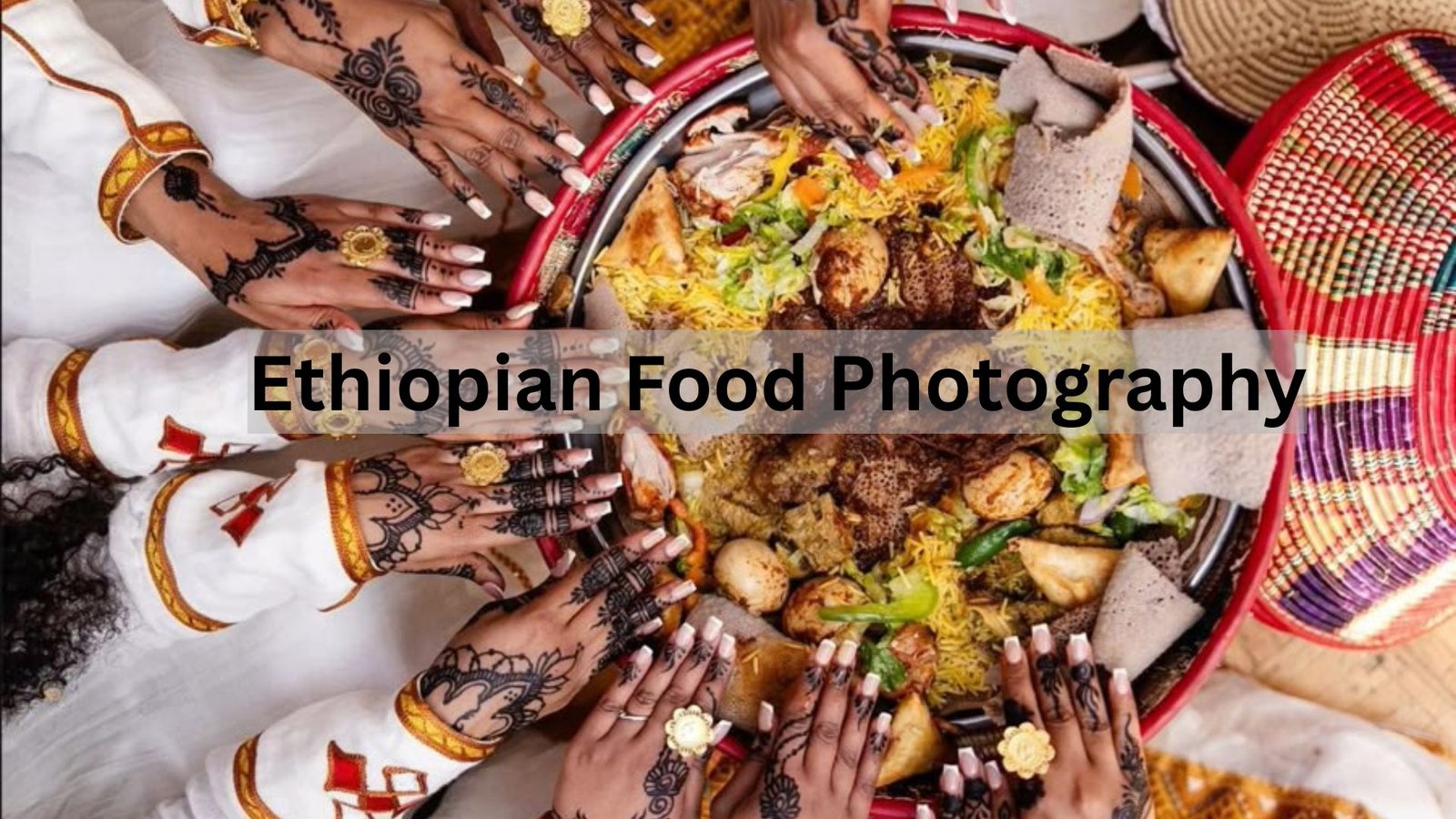
Ethiopian cuisine is one of the most vibrant, colorful, and flavorful in the world. From spicy stews to bright injera platters, every dish tells a story rich with tradition and culture. Capturing that essence through Ethiopian food photography can be both exciting and challenging. The goal is to make viewers feel the warmth, aroma, and soul of the food through your images.
In this easy guide, we’ll explore how to style traditional Ethiopian dishes in ways that highlight their natural beauty and authenticity. Whether you’re a beginner or an experienced photographer, these tips will help you create stunning food photos that celebrate Ethiopia’s rich culinary heritage.
Understanding the Soul of Ethiopian Food Photography
Before you even pick up your camera, it’s important to understand what makes Ethiopian food special. Ethiopian food photography is not just about taking pictures of dishes-it’s about capturing culture. Each element on the plate has meaning, from the shared platter style to the colorful spices that bring the dishes to life.
Ethiopian meals are typically communal, served on injera (a soft, spongy flatbread) and enjoyed with friends or family. This sense of togetherness can inspire your photos. When styling your shots, think beyond the plate-show the atmosphere, the textures, and the cultural warmth that make Ethiopian dining unique.
Lighting, angles, and props should all work together to tell a story. When you showcase these aspects authentically, your Ethiopian food photography will not only look beautiful but also feel emotionally engaging.
Choosing the Right Setup for Ethiopian Food Photography
The setup is where your creativity begins to take shape. In Ethiopian food photography, you want a setup that feels natural yet visually appealing. Start with a clean, simple surface-wooden tables, woven mats, or rustic backgrounds often work beautifully. These textures complement traditional Ethiopian dishes without overpowering them.
Natural light is your best friend. Position your food near a window where soft, diffused light can highlight the textures and colors of the stews, lentils, and injera. Avoid harsh light or direct sunlight, as they can cause unwanted shadows or glare. If natural light isn’t available, use a softbox or reflector to mimic daylight tones.
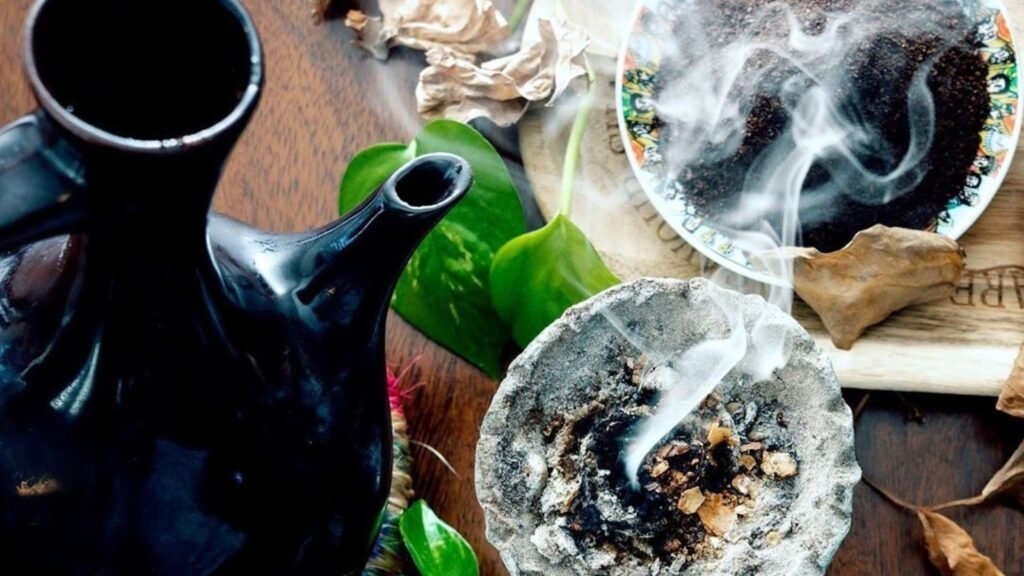
Use props that enhance the cultural story-clay pots, woven baskets, traditional coffee sets, or even a piece of Ethiopian fabric. These subtle details add authenticity to your Ethiopian food photography, making your shots feel more connected to the country’s heritage.
Styling Traditional Ethiopian Dishes
When it comes to Ethiopian food photography, styling is key. The traditional platter-often called a “messob”-features several stews and sides arranged on injera. Each dish brings its own texture and color, from the deep reds of doro wat to the bright greens of gomen. Your job is to balance these elements visually.
Start by spreading the injera neatly on your base plate or serving tray. Then, use small scoops or spoons to portion out each stew in separate areas, leaving enough space between them. Try not to overcrowd the plate. Let the colors breathe so viewers can appreciate each dish individually.
Garnishes can make a huge difference. Fresh herbs, sliced chili peppers, or a sprinkle of berbere spice can add contrast and texture. Remember, less is often more. You want the food to look appetizing but still authentic-too many props or unnecessary details can distract from the star of the photo: the dish itself.
Getting the Perfect Angle
The angle you shoot from changes how your audience experiences the image. For Ethiopian food photography, top-down shots work beautifully when capturing a full injera platter. This angle shows off the variety of colors, textures, and portions at once, making it ideal for storytelling.
However, if you want to highlight the texture of a specific dish, like the glossy sauce of doro wat or the fluffiness of injera side or 45-degree angle works best. These angles give depth and make the food look more realistic and inviting.
Experiment with different perspectives to see what works best for your composition. You might find that slightly tilting the camera or moving closer creates a more intimate, appetizing look.
The Role of Lighting in Ethiopian Food Photography
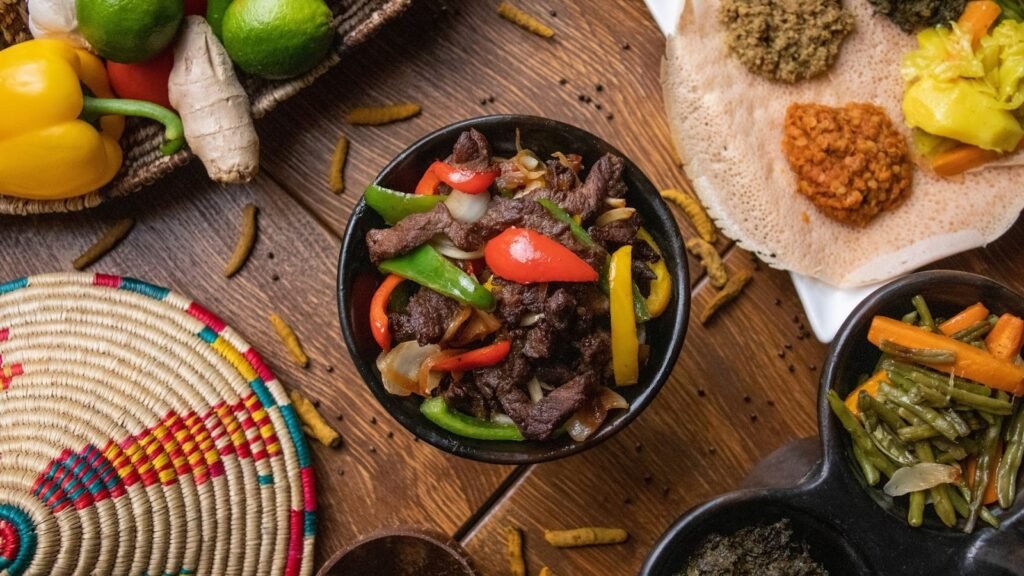
Lighting brings your food to life. The right light can make your dishes look fresh, warm, and delicious, while poor lighting can make them appear dull. In Ethiopian food photography, aim for soft, natural light that enhances the vibrant tones of the cuisine.
Window light during early morning or late afternoon is ideal because it’s warm and diffused. Place a white reflector opposite your light source to balance shadows. If you’re shooting in a darker space, artificial lighting with diffusers can still create a natural feel.
Avoid using direct flash-it flattens textures and removes the natural depth that makes food look real. Instead, adjust your camera’s exposure settings to let in more light, and play with white balance to keep colors accurate. Ethiopian dishes are known for their rich, warm hues, so preserving that vibrancy is crucial.
Highlighting Texture and Color
Texture and color are the heart of Ethiopian food photography. The spicy, rich stews and the porous surface of injera create a fascinating mix of visual elements. Your challenge is to bring out these details without overediting.
To emphasize texture, use side lighting-it casts gentle shadows that highlight the contours of the food. For color, ensure your white balance is accurate so the reds, yellows, and greens pop naturally. Slightly increasing contrast or clarity during editing can make your photos sharper, but be careful not to overdo it.
If you’re photographing multiple dishes together, pay attention to color harmony. Arrange contrasting dishes side by side-like the red of doro wat next to the yellow of misir wat-to make your platter visually appealing. This balance of tones is what makes Ethiopian cuisine so photogenic.
Authentic Props and Backgrounds
Props add context and personality to your shots. In Ethiopian food photography, the right props help tell the story of the dish. Traditional woven baskets, ceramic plates, wooden spoons, or handwoven tablecloths can instantly set the cultural tone.
Backgrounds should complement, not compete with, your food. Warm, earthy tones work beautifully with the natural color palette of Ethiopian dishes. Avoid overly bright or patterned backgrounds-they can steal attention from the food. Think of the background as your canvas: simple, warm, and inviting.
When shooting for digital platforms, like social media or your website, consistency is key. Using similar props and colors across your images helps create a recognizable style that your audience will associate with your brand or portfolio.
Creating Emotion Through Composition
Great food photos don’t just look good-they make you feel something. In Ethiopian food photography, emotion often comes from composition. Since Ethiopian meals are about sharing, try creating scenes that evoke connection and warmth. You can include hands reaching for food, coffee being poured, or side dishes being passed around.
Composition also guides the viewer’s eyes. Use leading lines, such as utensils or the circular shape of the injera platter, to draw attention to your main subject. Play with negative space by leaving areas of the frame empty-this gives the photo room to breathe and adds a professional touch.
Remember, photography is an art form. It’s okay to experiment with arrangements until the image feels right. Each composition should tell a part of the Ethiopian food story-one filled with flavor, culture, and togetherness.
Advanced Styling Techniques for Ethiopian Food Photography
Once you’ve mastered the basics, it’s time to elevate your Ethiopian food photography with more advanced styling techniques. Layering textures is one key approach. For example, placing a vibrant lentil stew next to a soft, spongy injera enhances contrast and draws attention to each component. Use small bowls or plates to separate sauces and sides while keeping everything on the main platter visible. This adds structure to the image while maintaining authenticity.
Playing with heights can also improve visual appeal. Slightly elevating certain dishes or using stacked plates can add depth and dimension. Shadows created by natural or artificial lighting can emphasize texture and make the food appear more three-dimensional. This subtle use of light and height transforms simple shots into captivating images.

Editing Ethiopian Food Photography for Maximum Impact
Editing is where your photos truly come alive. Even the most meticulously styled Ethiopian dishes benefit from minor post-processing. Adjust brightness, contrast, and saturation to enhance the vibrancy of your stews, spices, and injera. Ensure white balance is accurate so colors remain true to life; too warm or too cool can make food look unappetizing.
Sharpening is critical to highlight the intricate textures in dishes like doro wat or tibs. Avoid over-sharpening, which can make food appear artificial. Subtle adjustments to highlights and shadows help bring out depth, making each element pop without losing realism.
For professional results, you can rely on aitinsider for expert image editing services. They specialize in refining food images, ensuring your Ethiopian dishes look authentic, vibrant, and irresistible online.
Bringing Cultural Elements Into Your Shots
Authenticity is the essence of Ethiopian food photography. Incorporating cultural elements such as traditional utensils, coffee pots, or woven mats adds context and a storytelling dimension. Props should complement, not overwhelm, the main dish. The goal is to enhance the narrative of your food without drawing attention away from it.
Color coordination is also important. Earthy tones of traditional Ethiopian textiles work well as backgrounds, creating warmth that complements the rich hues of the cuisine. By thoughtfully integrating cultural elements, you provide viewers with a visual connection to Ethiopia’s culinary traditions.
Creating a Signature Style for Your Portfolio
Consistency is key in building a recognizable photography style. Use similar lighting, props, and editing techniques across your shots to create a cohesive aesthetic. Whether your style is warm and rustic or bright and modern, having a signature approach enhances your portfolio and builds audience trust.
Experiment with angles, framing, and compositions, but maintain elements that define your brand. Over time, your style will become synonymous with your approach to Ethiopian food photography, making your work instantly identifiable.
Capturing Emotion and Storytelling
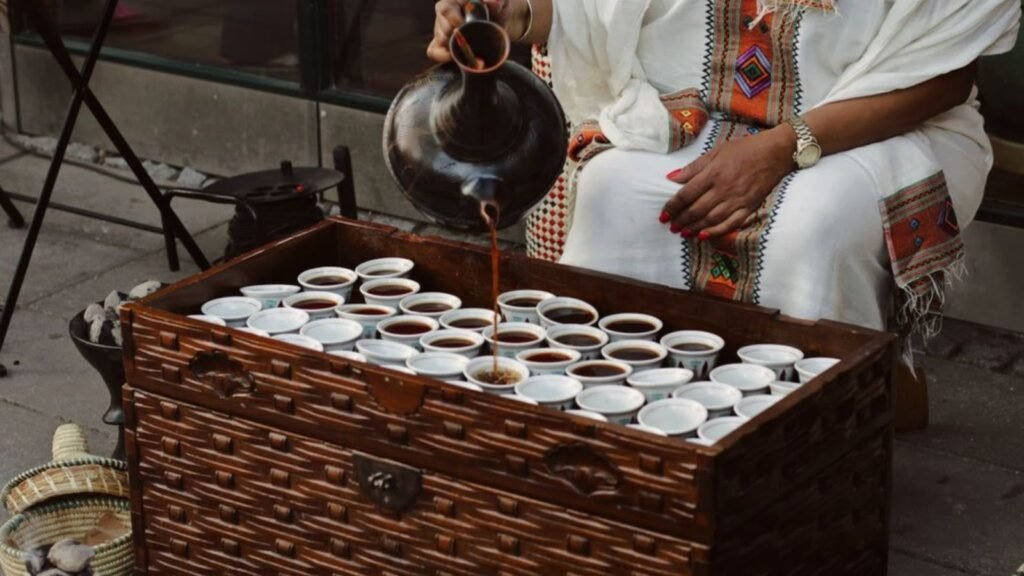
Food photography is most compelling when it evokes emotion. Capture the communal and celebratory aspects of Ethiopian meals. Include hands sharing injera, spices being sprinkled, or a coffee ceremony in the background. These small storytelling elements create an emotional connection, making your photos memorable.
Dynamic compositions, combined with authentic props and natural lighting, transform simple dishes into captivating stories. Each image becomes more than just a visual-it conveys culture, flavor, and tradition.
Social Media Optimization for Ethiopian Food Photography
Once your photos are ready, it’s important to optimize them for social media. Platforms like Instagram, Pinterest, and Facebook have specific dimensions and display preferences. Cropping your photos correctly ensures your Ethiopian food photography looks its best across devices.
Instagram favors square (1:1) or vertical (4:5) formats, while Pinterest prefers taller images to capture attention in feeds. Adjust your resolution to maintain clarity and avoid over-compression, which can blur details. Adding captions that tell a story or highlight ingredients also increases engagement.
Advanced Post-Processing Techniques
Editing is an essential part of Ethiopian food photography. Beyond basic exposure and color correction, consider subtle adjustments to shadows, highlights, and clarity. Fine-tuning these elements emphasizes texture and depth, making dishes appear more appetizing.
Selective color adjustments allow you to enhance specific components, like the deep reds of spicy stews or the golden browns of roasted chicken. Maintaining natural tones is crucial-over-editing can make the food look unrealistic.
For professional results, leveraging expert services is a smart choice. aitinsider offers professional image editing services tailored for food photography. Their team ensures each photo retains authenticity while appearing vibrant, crisp, and visually appealing.
Building a Professional Portfolio
A strong portfolio showcases your style and attracts potential clients or collaborations. When creating your portfolio, display a variety of traditional Ethiopian dishes, each styled and photographed thoughtfully. Highlight your unique approach to lighting, props, and composition.
Consistency across your portfolio establishes a recognizable brand. Whether you favor rustic, warm tones or bright, modern lighting, maintaining a signature style helps viewers instantly identify your work. Pair your visuals with storytelling captions to deepen audience engagement.
Bringing it All Together
Ethiopian food photography is a blend of creativity, technical skill, and cultural appreciation. From choosing the right lighting and props to mastering angles and editing, each step enhances the authenticity and appeal of your dishes.
Your goal is to not just showcase food, but to tell a story-one that celebrates Ethiopia’s culinary richness. By following these techniques, your images will engage viewers, evoke flavor and tradition, and stand out on digital platforms.
For those seeking professional support, aitinsider provides expert image editing services to elevate your Ethiopian food photography. With their help, your traditional dishes can look as stunning online as they do in real life, ensuring every shot captures both beauty and authenticity.