
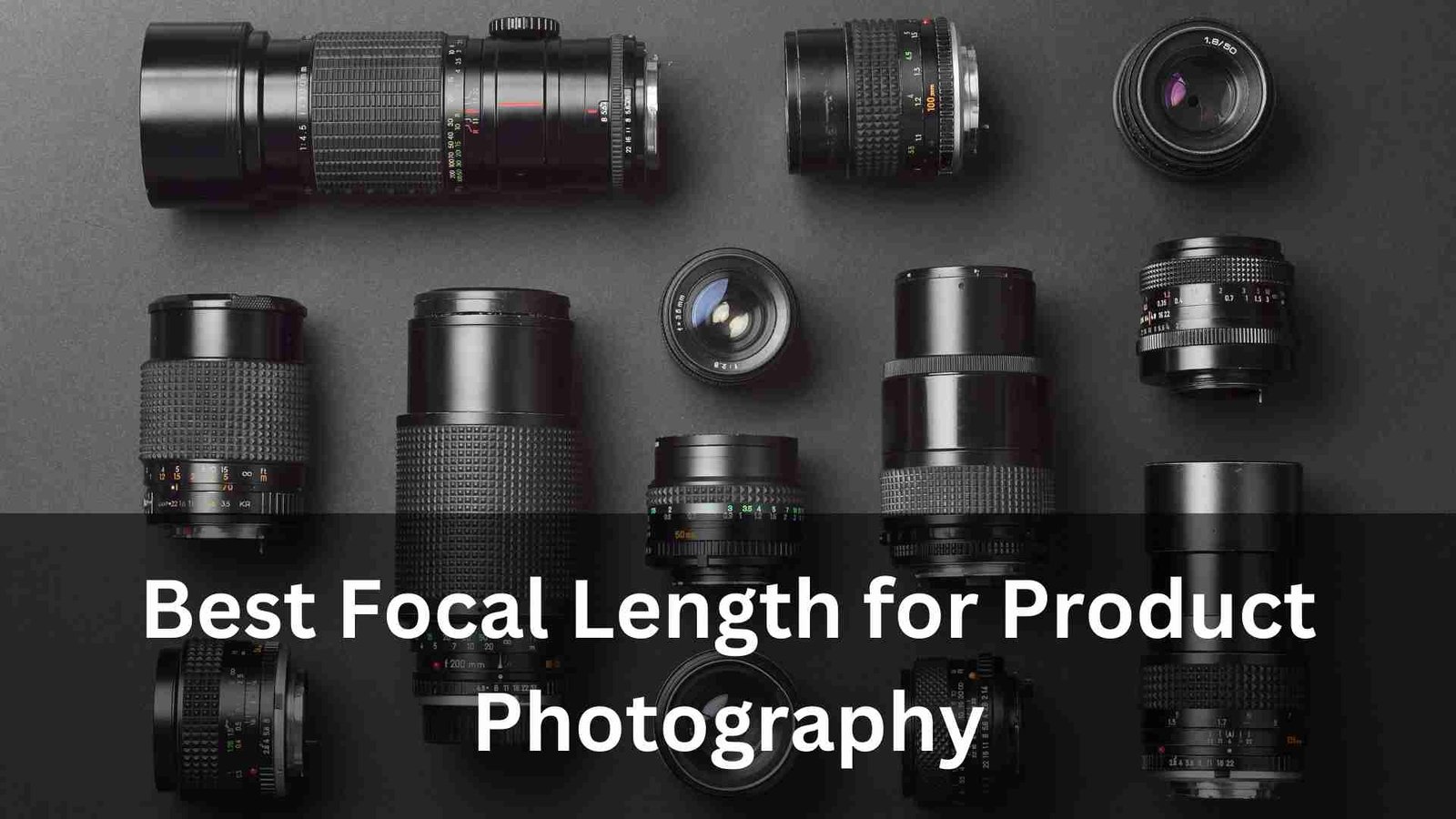
Choosing the Best Focal Length for Product Photography can feel confusing, especially when brands and lenses come in so many options. But the truth is simple: the lens you choose directly shapes how your product looks, how professional your images appear, and whether your photography is ready for e-commerce, branding, or advertising. In this guide, I’ll walk you through everything in a friendly, easy-to-read way so you understand not only which focal lengths to pick – but why they work.
Whether you’re shooting for Amazon listings, lifestyle brand campaigns, or small business product catalogs, knowing the Best Focal Length for Product Photography helps you make better buying decisions. The intent of this guide is commercial, meaning you’ll compare real-world focal length options before choosing what fits your photography style and budget.
This buyer’s guide also dives deep into lens behavior, distortion handling, product types, spacing, image sharpness, compression effects, and how different focal lengths change the look and feel of your product shots. And at the end, I’ll recommend how aitinsider, our professional image editing service, can help refine your product photos even further.
Let’s get started.
When photographers talk about the Best Focal Length for Product Photography, they’re essentially talking about control. The focal length determines how close you stand, how much distortion appears, how clean your lines look, and whether your product appears true to size.
Shorter focal lengths tend to distort edges, especially around 24mm or 28mm, which makes products look stretched or unnatural. Longer focal lengths (like 85mm or 100mm) compress the scene and keep your product looking realistic and proportional. This is why most professional photo studios rely heavily on the 50mm to 100mm range – it’s the sweet spot for accurate representation.
But each focal length has its own unique advantages depending on the product size, your studio space, and the mood or style you want to create. Understanding this helps you choose the Best Focal Length for Product Photography for your specific needs.
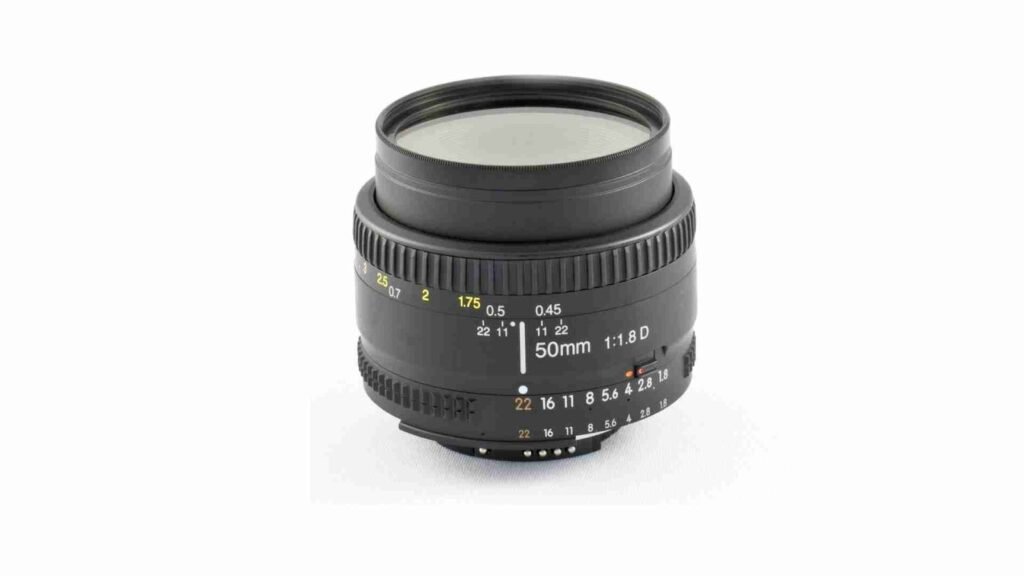
If you’re starting out or shooting many different types of products, the 50mm lens might be perfect for you. It’s often called the “nifty fifty” because it’s affordable, sharp, and works well with nearly any product – from skincare bottles and jewelry packaging to apparel accessories.
The 50mm offers a natural field of view similar to what our eyes see. It avoids the stretched look of wide-angle lenses and the tight compression of telephoto lenses. This makes it one of the Best Focal Length for Product Photography when you need a balanced, realistic representation.
Another benefit is that 50mm lenses perform extremely well in small studios. They don’t require too much working distance, so you don’t need a huge backdrop or extra room behind the camera. If you want clean shots, sharp lines, and accurate proportions, 50mm is a strong and reliable choice.
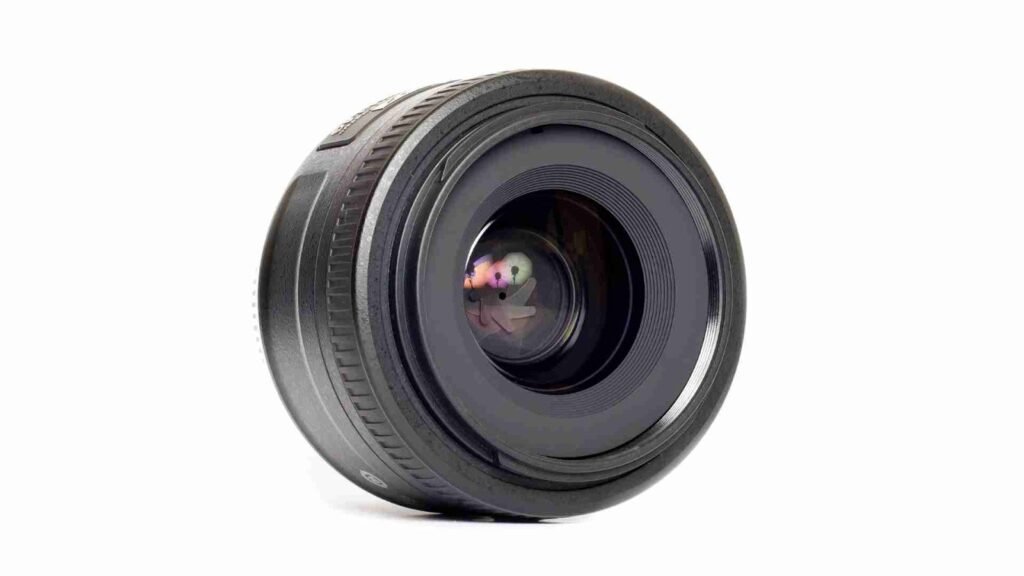
Although 35mm is not the traditional choice, it earns a place in this guide because many photographers work in tight spaces. Apartment studios, bedroom setups, and tabletop product photography often have limits on how far back you can stand. That’s where a 35mm lens becomes a lifesaver.
The 35mm focal length lets you capture wider scenes without stepping too far back, making it great for lifestyle product photography. If you’re shooting food on a table, products in a room scene, or wide, storytelling layouts, 35mm can be one of the Best Focal Length for Product Photography for your style.
Keep in mind that 35mm introduces slight distortion, especially at the edges. This is fine for storytelling shots but less ideal for strict e-commerce listings where precise dimensions matter. For those projects, you’ll want to stick to 50mm or longer.
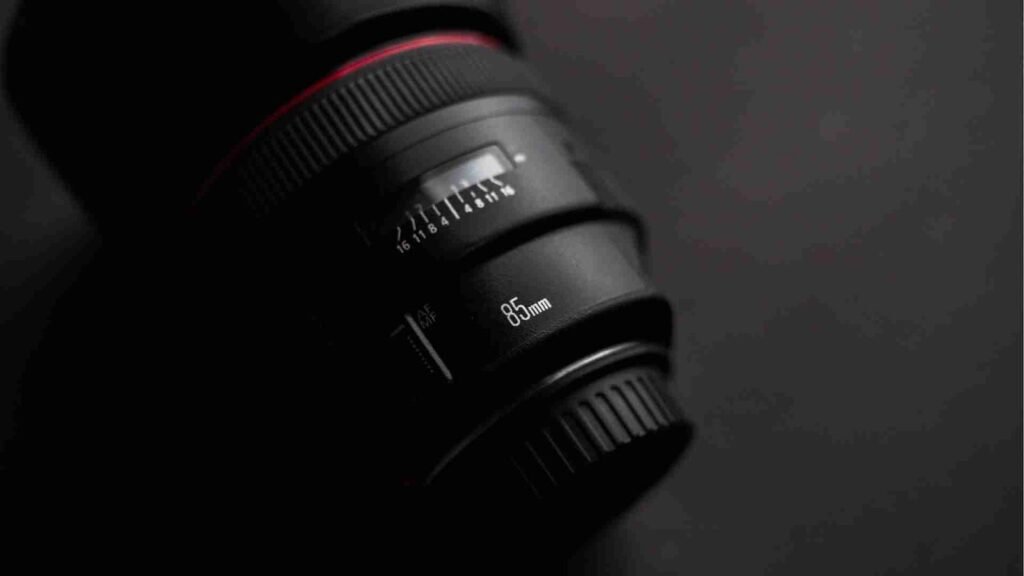
Ask any commercial studio which focal length they prefer, and most will say the same thing: the 85mm lens. This focal length is extremely flattering for products because it reduces distortion, compresses the space, and gives a clean, polished look.
The 85mm lens is often considered the Best Focal Length for Product Photography when shooting:
The tight compression makes your product appear elegant and sharp, with crystal-clear edges and beautiful separation from the background. The 85mm also allows you to blur backgrounds more easily, helping your product stand out in an eye-catching, professional way.
If you’re aiming for ads, catalog covers, or anything premium, 85mm is a top choice.
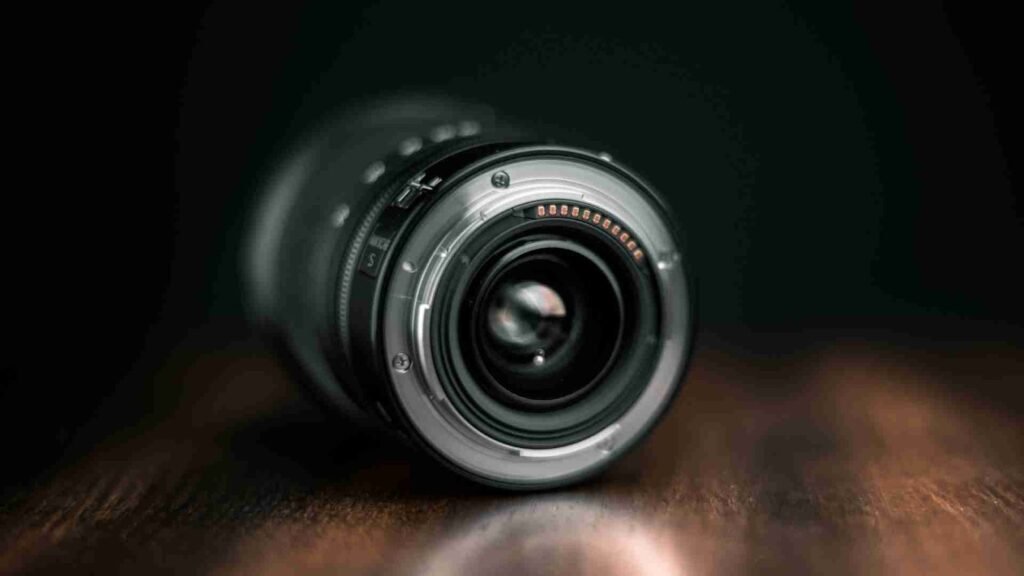
Macro lenses open a whole new world of product photography. They are designed for extreme detail and allow you to get incredibly close without losing sharpness. The 100mm or 105mm macro lens is often recommended as the Best Focal Length for Product Photography involving small items like:
Macro lenses eliminate distortion entirely, making them perfect for detailed e-commerce shots and advertising close-ups. The longer focal length also creates beautiful background blur, making your product look premium and highly professional.
If you want the closest, sharpest, most detailed photos, the 100mm macro lens is unbeatable.
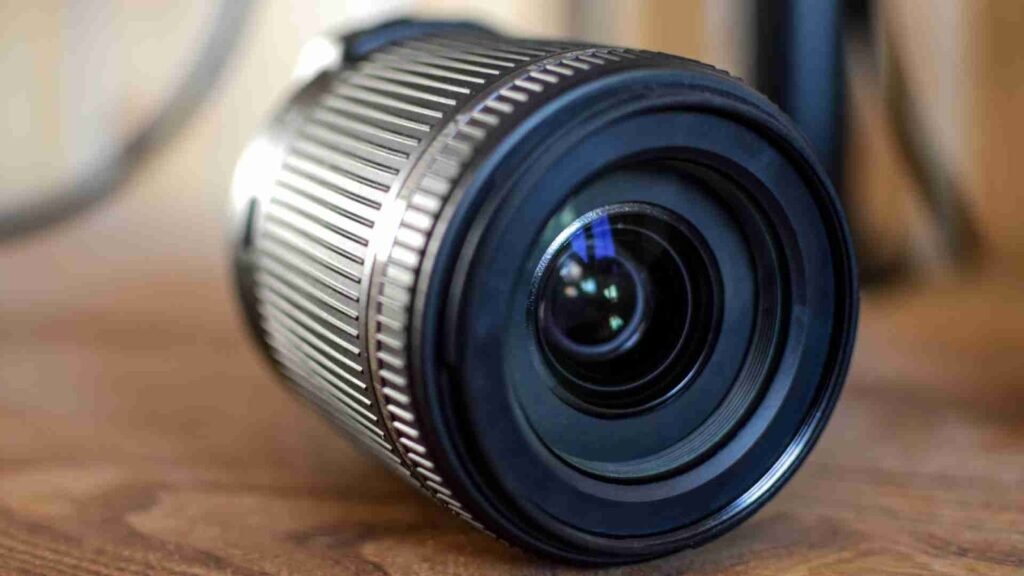
The 70–200mm telephoto lens is often used in high-end studio environments. While it seems oversized for product photography, it offers one huge advantage: compression. Telephoto lenses flatten the image and produce ultra-clean, premium product visuals. This focal range creates a luxury feel that many big brands love.
Every focal length inside this zoom range – 85mm, 105mm, 135mm, and 200mm – can serve as the Best Focal Length for Product Photography depending on your style. The longer the focal length, the more compressed and clean your final image will look.
This lens requires more space, so it works best in larger studios or when shooting lifestyle product scenes outdoors.
To make things simple, here’s a clear way to choose:
Choose 50mm if you want an all-rounder for every type of product.
Choose 35mm if you shoot lifestyle scenes or work in small spaces.
Choose 85mm if you want polished, distortion-free product images.
Choose 100mm macro if you shoot very small items with high detail.
Choose 70–200mm if you want luxury-brand-style compression.
All of these can be considered the Best Focal Length for Product Photography depending on your style, space, and client needs.
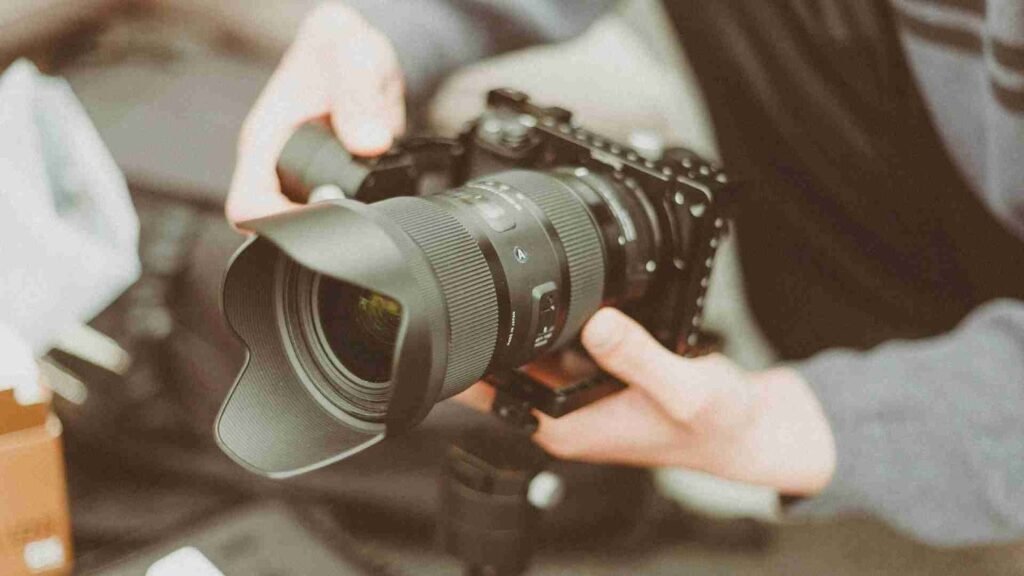
A change in focal length can drastically change how your product looks. Even if your lighting stays the same, your background size, sense of depth, and product proportions all shift.
Shorter focal lengths make the background appear big and wide.
Longer focal lengths compress the background and make the product stand out.
Macro lenses highlight textures and tiny details invisible to the naked eye.
When choosing the Best Focal Length for Product Photography, think about your ideal final image. Do you want lifestyle storytelling shots? Go 35mm. Do you want catalog-perfect precision? Go 85mm or macro.
Full-frame and APS-C cameras don’t treat focal lengths the same way. A 50mm on a cropped sensor acts more like a 75mm field of view. This can be a good thing for product photography because the image becomes more compressed and flattering.
If you’re using an APS-C camera and want the Best Focal Length for Product Photography, here’s how to match full-frame equivalents:
50mm (APS-C) ≈ 75mm
35mm (APS-C) ≈ 50mm
85mm (APS-C) ≈ 128mm
Knowing this helps you avoid distortion and gives you better buying confidence.
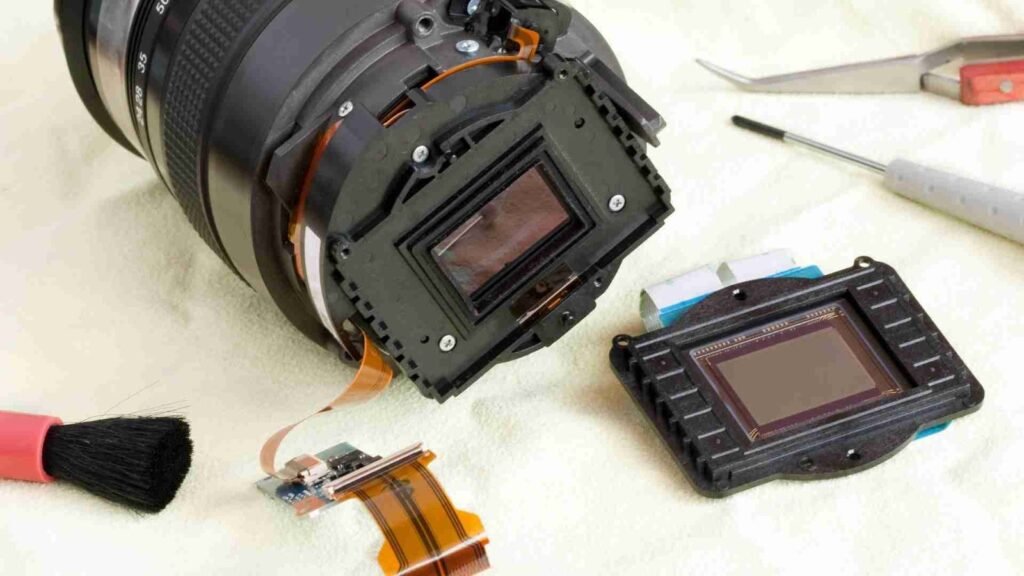
Product photography isn’t only about sharpness – background blur (bokeh) plays a huge part in professionalism. Longer focal lengths naturally produce creamier, more aesthetic blur. This makes your product stand out with depth and separation.
50mm gives balanced blur, ideal for lifestyle or standard e-commerce.
85mm produces smooth blur with excellent subject isolation.
100mm macro delivers incredible detail with powerful background separation.
135mm or 200mm blur backgrounds dramatically for a luxury feel.
This is why many photographers consider telephoto lenses among the Best Focal Length for Product Photography for premium brands.
If you’re building your studio or upgrading your product photography kit, start with a 50mm or an 85mm. They cover 90% of everyday product shoots and give a professional, clean look without needing expensive equipment.
Once you’re comfortable, add a dedicated macro lens for detail shots – this gives your product photos a high-end shine.
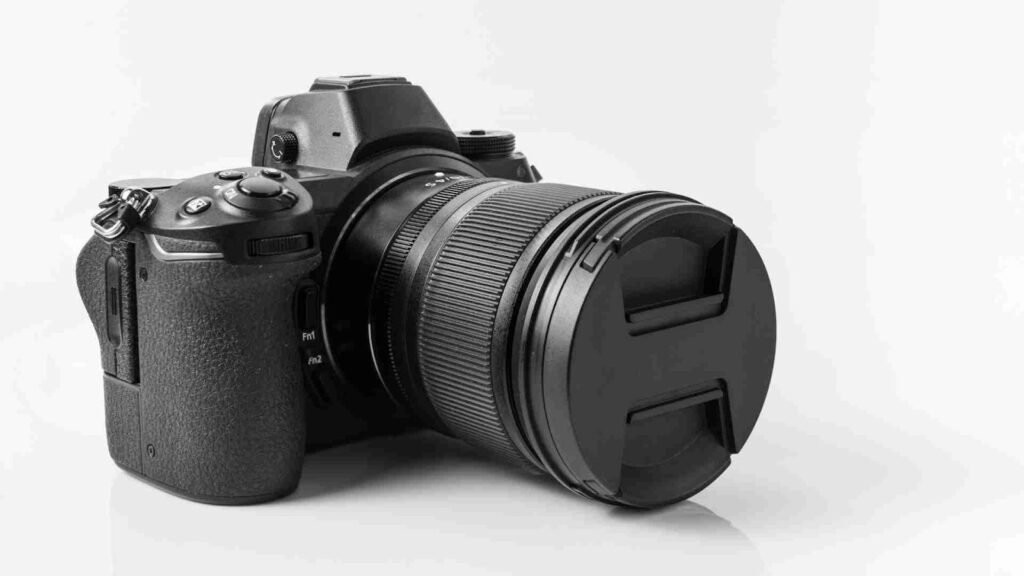
Finding the Best Focal Length for Product Photography depends on understanding your product type, your studio space, and the mood you want to create. Every lens gives you unique strengths, but the 50mm, 85mm, and 100mm macro remain the most reliable choices for professional results.
Experiment, compare, and see which style fits your brand or clients best.
And if you ever need your product photos to look even more polished, color-corrected, retouched, or background-enhanced, aitinsider is here to help.
We provide professional image editing services tailored for product photographers, e-commerce brands, and online sellers. If you want your images to look clean, consistent, and ready for marketing – let us take care of the editing while you focus on shooting.