
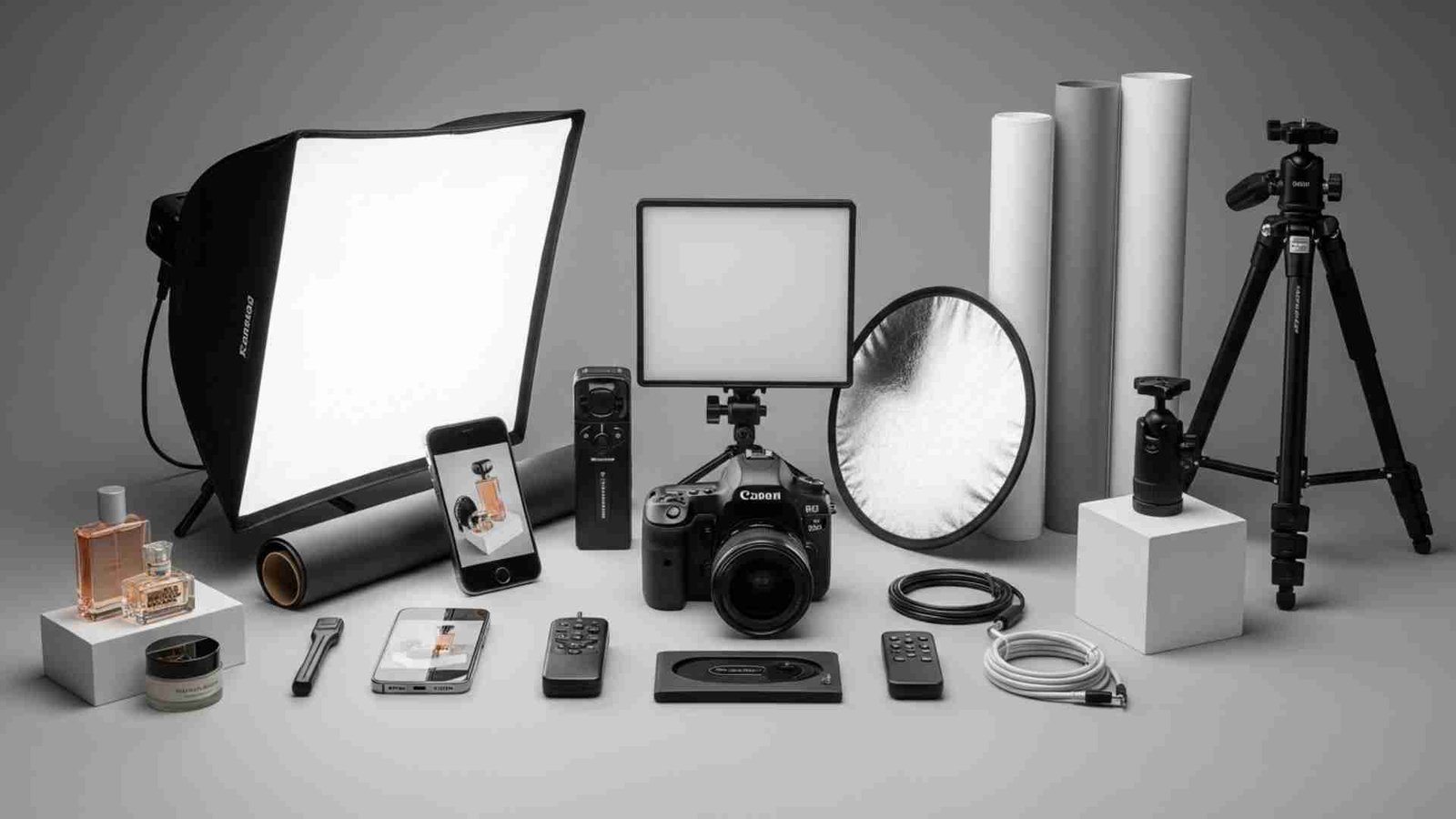
If you’ve ever wondered why some online stores instantly grab attention while others feel dull or unprofessional, the answer is often simple-great product photos. And behind every great product photo is the Best Equipment for Product Photography, chosen carefully to create sharp, clean, and trustworthy images. In today’s competitive online world, your customers judge your product in the first two seconds of seeing the picture. That means the equipment you choose isn’t just about taking a photo-it’s about boosting conversions, building trust, and increasing sales.
In this guide from aitinsider, we’ll explore the Best Equipment for Product Photography, explain why each piece matters, and help you compare products and features before making a purchase decision. Whether you’re starting a new e-commerce business, upgrading your studio, or simply trying to improve your product images, this friendly, easy-to-read guide will walk you through everything step by step.
Before diving into the gear list, it’s important to understand why choosing the Best Equipment for Product Photography is such a big deal. Product photography is more than pointing a camera at an object. It’s about controlling light, color, sharpness, reflections, shadows, and textures. Your equipment affects all of these things.
When you use the right combination of camera, lens, lighting, tripod, and modifiers, your photos instantly look more professional. Customers trust what they see, and that trust leads directly to sales. On the other hand, low-quality gear can make your products look cheap-even if they’re actually high-quality in real life.
That’s why online sellers, small businesses, and large brands all invest in reliable tools. With the Best Equipment for Product Photography, you don’t just capture images-you capture attention, interest, and ultimately, revenue.
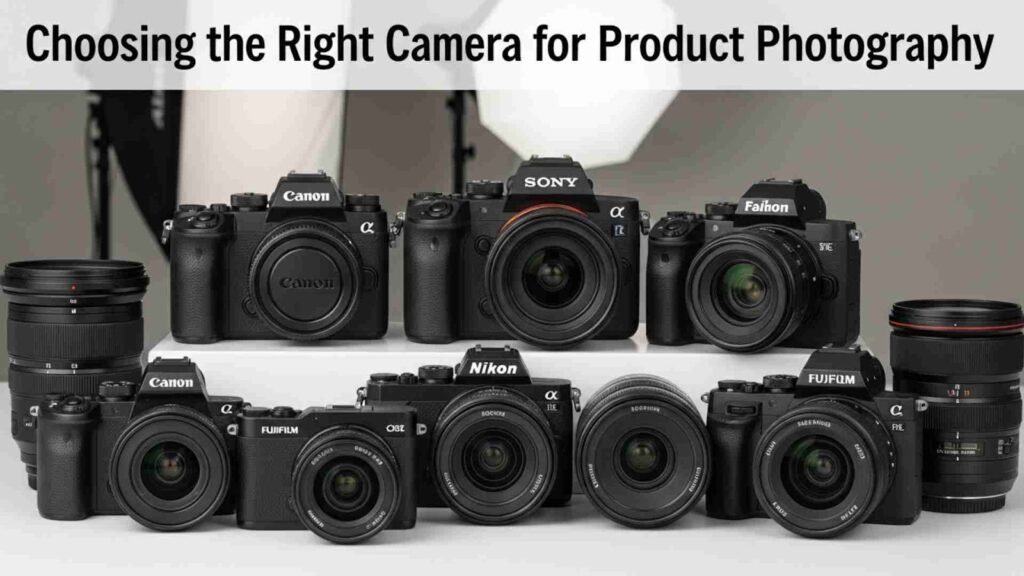
Let’s start with the heart of your setup: the camera. While many people think they need the most expensive camera available, the truth is that you simply need one that’s reliable, sharp, and offers good color accuracy. Modern cameras have come a long way, and even mid-range models can produce stunning results if used correctly.
When looking for the Best Equipment for Product Photography, consider cameras with strong autofocus, good low-light performance, and manual controls. Mirrorless cameras are especially popular today because they’re lightweight, silent, and packed with advanced features.
Brands like Canon, Sony, Nikon, and Fujifilm offer excellent choices. A good camera body allows you to capture fine details-whether it’s the texture of leather, the sparkle of jewelry, or the smooth finish of electronics. But remember: the camera body alone doesn’t guarantee great product photos. The lens matters even more.
If you’ve ever wondered where the real magic happens, it’s in the lens. Your lens determines sharpness, background blur, and how accurately your images capture shape and detail. That’s why professionals often say, “Invest in glass first, camera later.”
For product photography, a macro lens is often the top choice because it can capture tiny details with stunning clarity. If you’re photographing jewelry, watches, cosmetics, or small accessories, a macro lens is essential. For larger products, such as shoes, bags, or electronics, a classic 50mm or 24-70mm lens works beautifully.
When selecting the Best Equipment for Product Photography, think of your lens as the tool that reveals the truth of your product. A high-quality lens shows the texture, shape, color, and personality of your item exactly as it appears in real life. This builds trust with customers and makes your products look high-end.
Even the best camera and lens won’t save your photo if your lighting is poor. Lighting is the backbone of all product photography. It shapes your product, highlights the best features, reduces imperfections, and sets the overall mood of your image.
When researching the Best Equipment for Product Photography, lighting should be at the very top of your list. Natural lighting can be used for some beginners, but professional results require consistent, controlled artificial light.
Continuous LED lights are great because they let you see the effect in real time. Strobe lights, on the other hand, are extremely powerful and produce sharp, crisp images that are perfect for commercial use. Softboxes, umbrellas, and diffusers help soften the light, removing harsh shadows and creating a clean, polished look.
If you’re photographing reflective items like glass or metal, lighting becomes even more important. Controlling reflections requires careful positioning, diffusion, and sometimes multiple light sources. That’s why having reliable lighting tools is essential to building a real photography workflow.
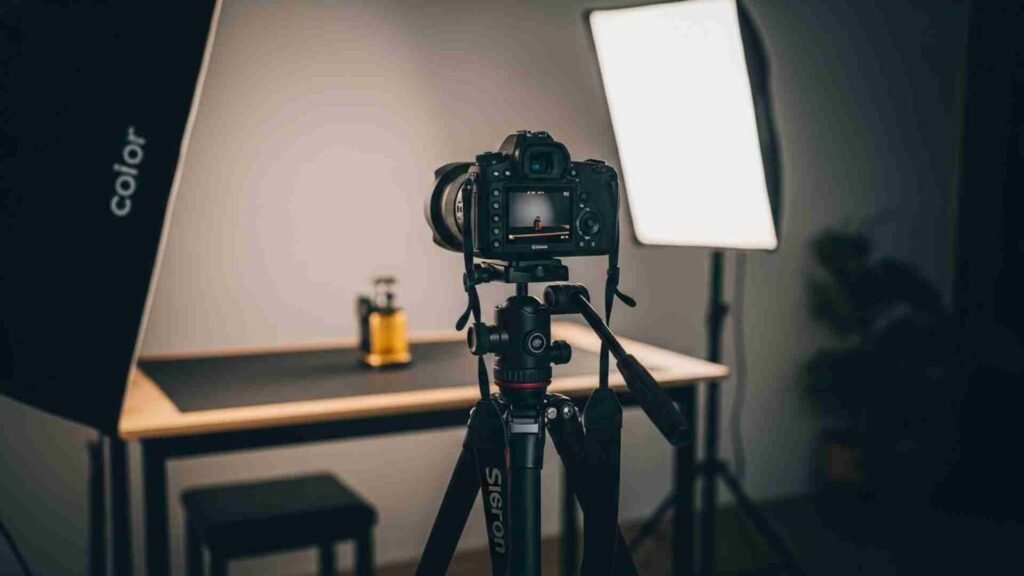
Once you’ve selected a camera and lighting, it’s time to think about stability. A tripod may not seem like the most exciting part of the Best Equipment for Product Photography, but it is absolutely crucial. Product photography often requires long shooting sessions, precise composition, and consistent results. A tripod ensures your camera stays steady, removing blur and keeping every image sharp.
Tripods also free your hands so you can adjust lighting, reposition the product, or make small changes in the scene without losing the angle or setup. Look for a tripod that is sturdy, easy to adjust, and capable of holding your camera securely. Carbon-fiber tripods are lightweight but strong; aluminum tripods are heavier but more affordable.
Whether you’re shooting on a table or in a full studio environment, a reliable tripod supports a smoother workflow and cleaner photos.
Another key part of the Best Equipment for Product Photography is the background setup. The right background can transform a basic product image into a premium-looking photo that instantly catches customer attention. White backgrounds are the most common, especially for marketplaces like Amazon or Etsy, because they look clean and make your product the hero of the image.
However, colored backgrounds, textured surfaces, and themed props can work beautifully for brands that want more personality in their photos. Acrylic sheets, vinyl roll backgrounds, wooden boards, and fabric backdrops are all popular choices.
The goal is to choose backgrounds that complement your product, keep the viewer focused, and match the mood of your brand. A perfume bottle may look elegant on a marble-like surface, while tech gadgets shine on matte black or metallic textures.
If you’re selling smaller items like cosmetics, accessories, electronics, or tabletop products, a lightbox is one of the easiest ways to create consistent, professional images. Lightboxes are enclosed spaces that diffuse the light evenly across your product, removing harsh shadows and reducing reflections.
Softboxes, on the other hand, are larger modifiers attached to your lights. They give you more flexibility in shaping the light direction, strength, and softness. Both tools are considered part of the Best Equipment for Product Photography because they help control lighting, which is essential for clean product images.
Lightboxes are great for beginners or small sellers who want fast, repeatable results. Softboxes are ideal for businesses that want more creative control.
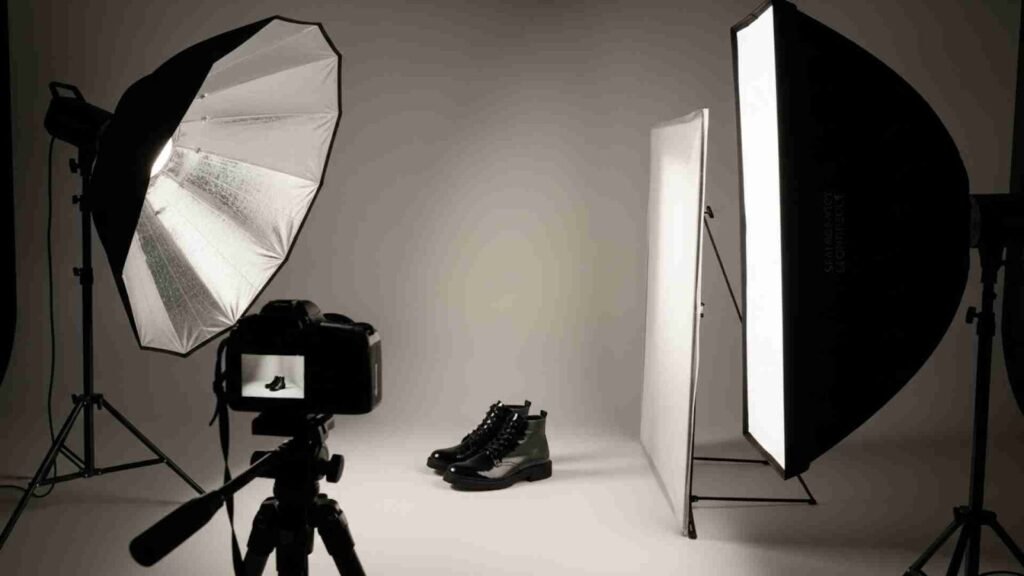
As you move deeper into product photography, you’ll notice that small adjustments in lighting create big differences in the final image. This is where reflectors and diffusers come in. They are simple tools, but they play a major role in shaping light and controlling shadows. When choosing the Best Equipment for Product Photography, reflectors and diffusers often become the “secret ingredients” that turn good photos into great ones.
A reflector helps you bounce light back onto the product, reducing dark shadows and revealing details that might otherwise be lost. For example, when photographing a pair of shoes or a handbag, a reflector can beautifully fill in the shadows under the item without adding extra harshness. Reflectors come in different colors-white for soft bounce, silver for bright highlights, and gold for a warmer tone.
Diffusers, on the other hand, soften the light by spreading it evenly across your product. This helps reduce glare and hotspots, especially on reflective or glossy items. Jewelry, skincare bottles, sunglasses, and electronics benefit greatly from diffused lighting. By pairing diffusers with your main lights, you gain more control and achieve a polished, professional look that keeps the focus exactly where it belongs: on your product.
While the focus of your setup should always be the product, sometimes you need a bit of styling to make your images more appealing-especially for lifestyle e-commerce brands. Props are often overlooked, but they play a valuable role when building your kit of the Best Equipment for Product Photography. They help set the mood, add context, and make the product feel real in the viewer’s mind.
Simple props such as dried flowers, fabric pieces, acrylic blocks, stands, or themed accessories can elevate your product photos without distracting from the main subject. The key is to choose props that complement rather than overpower. For example, a skincare brand might use fresh leaves, water droplets, or smooth stones to enhance a natural theme. A tech brand may prefer clean surfaces, geometric shapes, or metallic accents.
Adhesive putty, clamps, and non-reflective tweezers are also helpful in styling small items. They allow you to position products at the perfect angle without them tipping over or sliding around. These details might feel small, but they make a huge difference when you need consistent, clean compositions.
One of the biggest challenges in product photography is ensuring that the colors in your photos match the real product. Customers often complain about receiving an item that looks different from what they saw online, and this can lead to returns, negative feedback, and lost trust. That’s where color accuracy tools come in.
Including color cards, grey cards, and calibration tools as part of the Best Equipment for Product Photography ensures that your camera and lighting capture the most accurate colors possible. A color checker card allows you to set the correct white balance so whites actually look white-without unwanted blue or yellow tones. This is especially important for clothing, cosmetics, and branded products where color consistency matters.
By using calibration tools, you give your customers confidence that what they see is what they’ll receive. This helps reduce return rates and increases customer satisfaction, which directly impacts your bottom line.
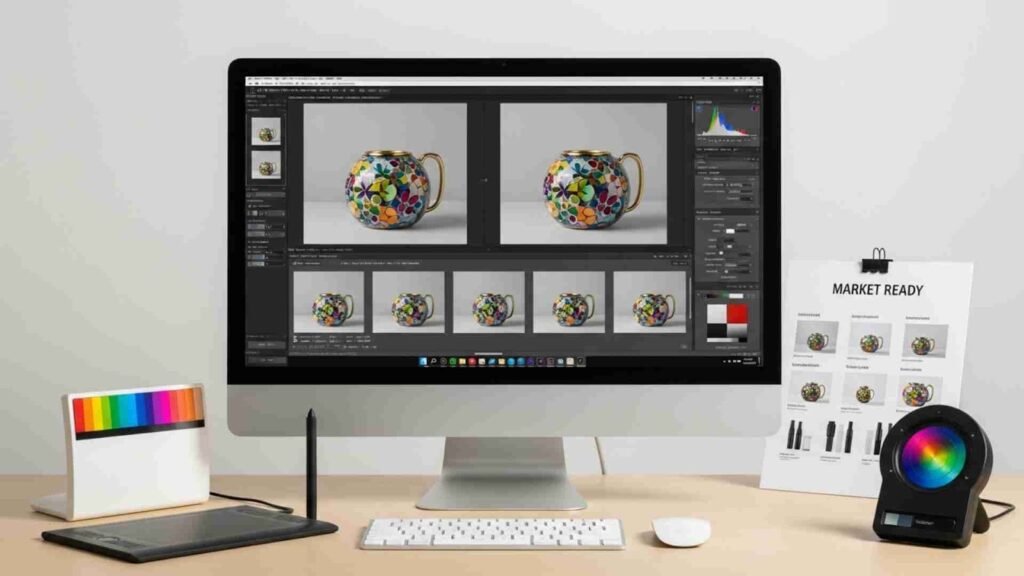
Once your photos are taken, the next step is post-processing. Editing is where your images go from “good” to “market-ready.” You can adjust exposure, sharpen details, clean backgrounds, remove dust, enhance colors, and create a consistent look across your entire catalog. When preparing your studio with the Best Equipment for Product Photography, you should also plan your editing tools.
Software like Adobe Lightroom, Adobe Photoshop, and Capture One are popular for their ability to fine-tune images professionally. Lightroom is ideal for batch editing and color correction, while Photoshop offers powerful tools for retouching, shadow creation, and background cleanup.
Even though editing software isn’t a physical tool, it’s still part of the essential equipment list because it completes the workflow. Without proper editing, your images won’t look polished or commercial-ready. A clean and consistent editing style also strengthens your brand identity, making your online store look unified and professional.
No matter how good your gear is, product photography comes with challenges. The good news? Most issues have simple solutions when you’re equipped with the right tools.
Reflective surfaces, such as metal, glass, or glossy plastic, often show unwanted reflections-including the camera, lights, or even the photographer. To handle this, diffusers, softboxes, and carefully positioned lights help eliminate unwanted glare. Shooting through a large diffuser or scrim is also one of the most reliable techniques professionals use to create clean reflections.
Shadows are another challenge, especially when photographing light-colored products on white backgrounds. Reflectors, fill lights, or a well-placed bounce card can reduce these shadows and create a more balanced look. You can also lift shadows during editing, but proper lighting usually gives you better results than heavy post-processing.
Textured products like clothing, fabric, or food items need lighting that highlights depth and detail. A single light source placed at an angle can bring out texture beautifully. Experiment with intensity and direction until the product “pops.”
Understanding how different products react to light will help you choose the Best Equipment for Product Photography for your niche.
For jewelry, sharp lighting and macro lenses work best. Jewelry needs reflections to show sparkle and shape, but those reflections must be controlled. Softboxes and diffusers help shape the shine without making the product look harsh.
For clothing, soft, even lighting is ideal to avoid distractions. Large softboxes or umbrella lights help spread the light evenly across the fabric, showing true color and texture.
For electronics, even lighting and clean backgrounds help highlight the design. A combination of a key light and a fill light usually works best, minimizing shadows and giving a premium appearance.
For beauty and skincare products, a glossy, clean look usually works best. Diffused top lighting paired with a bounce card in front of the item gives a beautiful commercial finish.
By understanding what type of light best suits each product category, you can select equipment strategically and create images that fit industry standards.
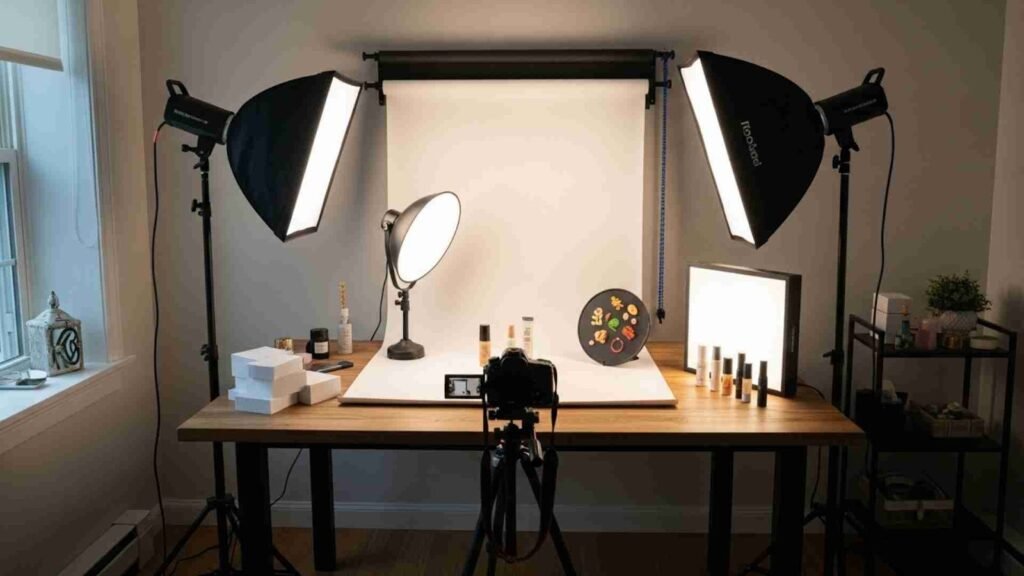
Many small businesses start with a home studio, and guess what? With the Best Equipment for Product Photography, you can build a professional setup without needing a big space. A small room, a corner of your office, or even a desk can work as long as you have proper lighting and organization.
A simple home studio might include a sturdy table, two LED or strobe lights, a softbox, a reflector, and a white or black backdrop. Add a tripod and your camera, and you’re ready to shoot high-quality product images. If you photograph smaller items, a lightbox can simplify everything and give you consistent results.
As your business grows, you can expand your setup with additional lights, stands, background systems, and props. The best part is that product photography equipment is flexible-you can start small and scale up over time.
When you’re comparing products and trying to choose the Best Equipment for Product Photography, it can be tempting to pick the cheapest option. While budget-friendly gear is great for beginners, extremely low-cost items may break quickly, offer inconsistent lighting, or deliver poor color accuracy. This can lead to frustration and wasted time.
Photography equipment should be seen as an investment. High-quality gear lasts longer, produces better results, and increases your efficiency. If your business relies on product images to drive sales-which is true for almost every online store-then investing in good equipment directly supports your revenue.
That said, you don’t need the most expensive gear on the market. It’s about finding the best balance between your budget, your goals, and the results you want to achieve. Mid-range options often deliver excellent performance without overspending.
While gear is important, consistency is even more critical. Whether you use Canon, Sony, Nikon, Fujifilm, or any other brand, the key is to maintain a consistent look across all your product images. This creates trust, strengthens your brand identity, and helps customers feel confident about purchasing from you.
If some images are bright, others are dark, some are warm-toned, and others are cooler, your store begins to look messy and unprofessional. This inconsistency can negatively affect sales. By choosing the Best Equipment for Product Photography that fits your workflow, you can maintain consistent lighting, angles, colors, and backgrounds.
Consistency also speeds up your shooting and editing process because you’re working within a structured system rather than starting from scratch every time.
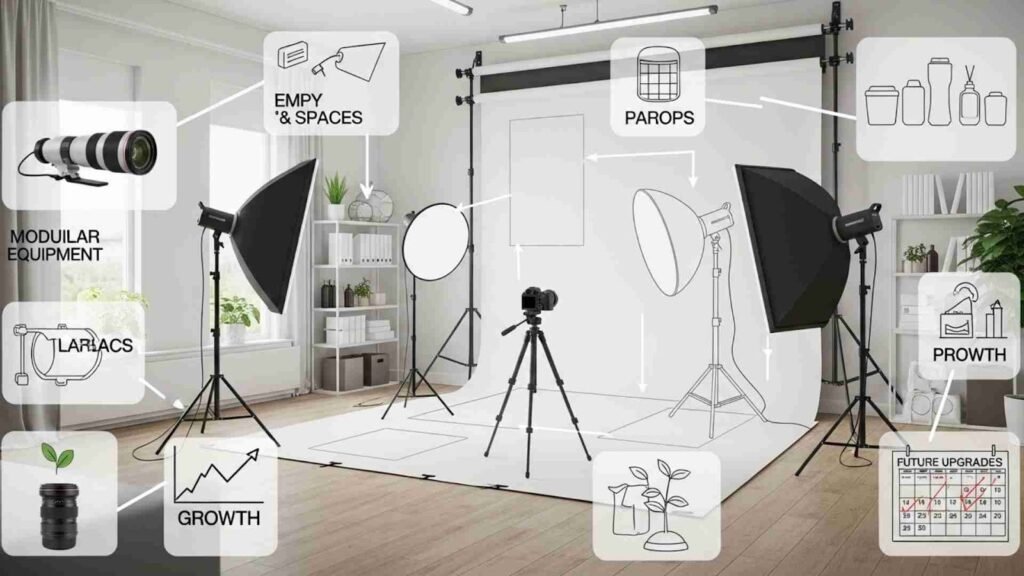
As your business grows, your product photography needs will evolve. You may need more space, additional lights, better lenses, or advanced modifiers. The good news is that once you choose a solid foundation of the Best Equipment for Product Photography, upgrading becomes much easier.
Many brands start with a simple setup and gradually build a full studio with multiple lights, props, and backdrops. Because photography gear is modular, you can upgrade one item at a time-perhaps a better lens this month or a new softbox next month.
Staying flexible and planning for future upgrades ensures that your studio grows with your brand, helping you maintain high-quality visuals as your product line expands.
Once you’ve built a setup using the Best Equipment for Product Photography, the next step is building a workflow that helps you shoot faster and stay organized. A workflow isn’t just about taking photos-it’s about planning, setting up, shooting, editing, and publishing in a smooth and predictable order.
A well-designed workflow saves you time, reduces mistakes, and helps you maintain consistent quality across hundreds or even thousands of product images. Start by preparing a shot list. A shot list tells you exactly what angles, backgrounds, and lighting styles you’ll need for each product. This saves you from guessing during the shoot.
Next, organize your equipment so everything is always within reach. Keep your lenses, reflectors, and cleaning tools in designated spots. Set your camera settings in advance, especially if you’re photographing similar products. Once you begin shooting, stay in a rhythm-position, the product, adjust the lighting, take test shots, evaluate the results, and then move into final shots.
Editing is also a major part of your workflow. Using presets or consistent color profiles can make the editing process much quicker. Finally, keep your files organized in folders labeled by product name, date, and category. When you combine the Best Equipment for Product Photography with an efficient workflow, your entire process becomes smoother, faster, and more professional.
Backgrounds may seem simple, but they have a massive impact on how your product looks. Clean backgrounds help customers focus on what matters-the item itself. Many e-commerce platforms require white backgrounds, especially for main listing images. This is why background systems are considered part of the Best Equipment for Product Photography.
You can choose from paper rolls, vinyl backgrounds, and fabric backdrops. Paper rolls are the most popular because they provide a smooth, flawless surface. When one area gets dirty, you simply roll down a fresh section. Vinyl backdrops are durable and easy to clean, making them great for food or beauty products. Fabric backgrounds work for creative or lifestyle shots, especially when you want texture or depth.
Background stands make it easy to switch between colors and textures. If you’re photographing multiple products in one session, having several background options available lets you adapt quickly without interrupting your shooting flow.
Ultimately, the goal is to choose backgrounds that make your product stand out, complement your brand, and maintain a clean, professional look. With the Best Equipment for Product Photography, your backgrounds will enhance your product rather than distract from it.
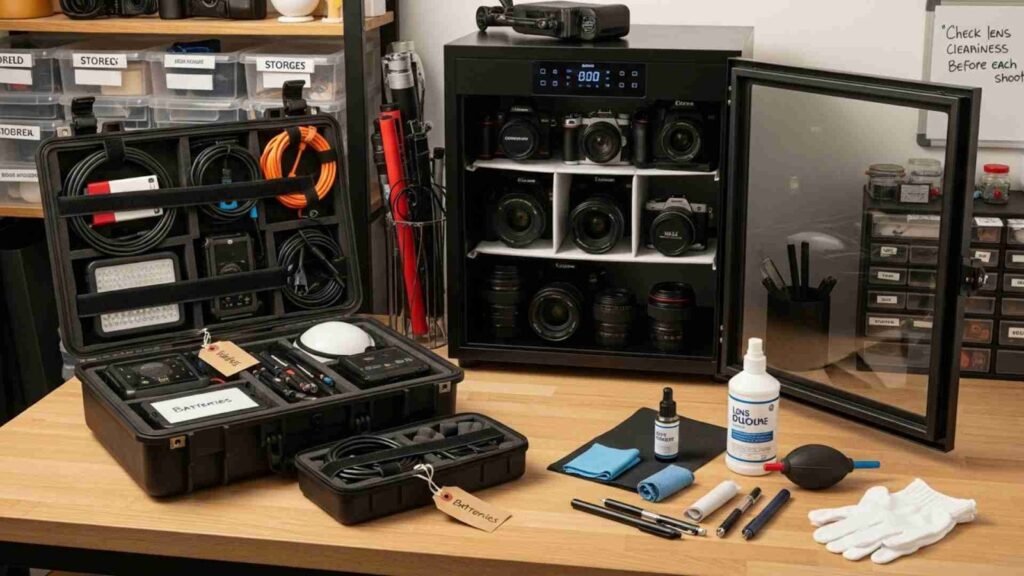
Your equipment is an investment, so taking care of it ensures it continues working well for years. Dust, fingerprints, moisture, and scratches can reduce image quality or even damage your gear. That’s why storage and maintenance tools also play a role in the Best Equipment for Product Photography.
A dry cabinet is one of the best ways to store your camera and lenses because it protects them from humidity. Lens cleaning kits, microfiber cloths, and air blowers help you keep your glass spotless. Clean lenses produce sharper images and more accurate colors.
Organizers and hard cases keep your lights, cables, and accessories safe when not in use. Many photographers also label their equipment to avoid confusion during busy shoots. By caring for your gear consistently, you not only protect your investment but also ensure maximum performance every time you shoot.
As your business grows, you may find it challenging to keep up with both shooting and editing. Editing can be time-consuming, especially when you have dozens or hundreds of products to publish. That’s when outsourcing becomes a smart option.
Many successful brands outsource their background removal, retouching, shadow creation, and color correction to professional editing companies. This allows you to focus on shooting, marketing, and building your business while specialists handle the technical editing work.
If you plan to scale your e-commerce business, outsourcing is one of the most effective strategies to maintain fast turnaround times. And even if you’re just starting, outsourced editing can help elevate your images and make your brand appear more polished and professional.
When sellers search online for the Best Equipment for Product Photography, they’re usually looking for gear that helps them increase sales, not just take photos. The truth is that the best equipment is the gear that helps you work efficiently, produce consistent results, and create images that build trust with customers.
A great camera means nothing without good lighting. A great lens cannot perform its best without proper stabilization from a tripod. A softbox or lightbox cannot shine without the right background system. And even the perfect shot will fall short without good editing.
Each piece plays a role. The Best Equipment for Product Photography is not defined by brand or price-it’s defined by how well it helps you deliver professional product images that convert viewers into buyers.
When you build a complete system with cameras, lenses, lighting, backgrounds, reflectors, editing tools, and accessories that work together, every product you photograph will shine in its best light.
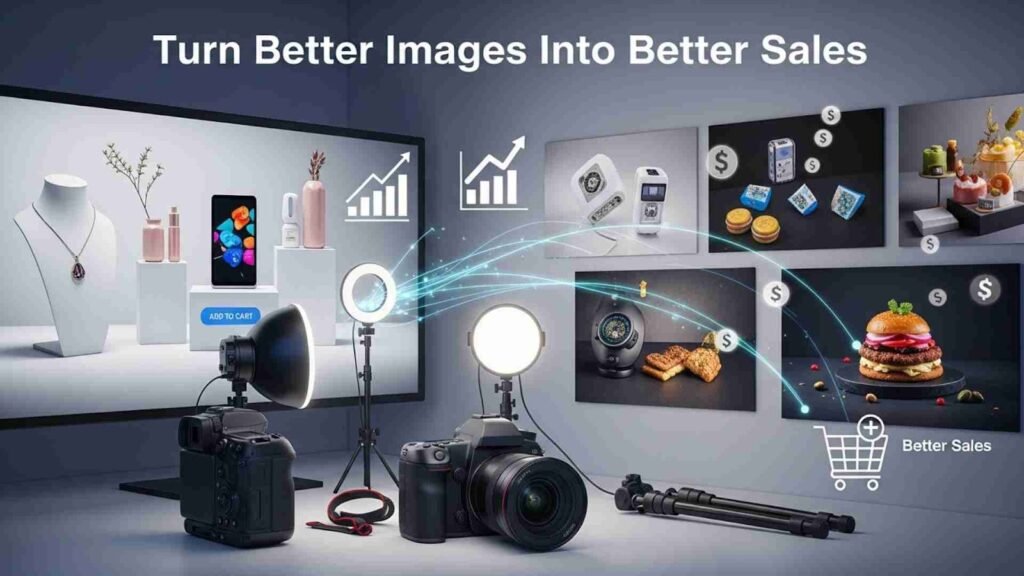
Product photography isn’t just about technical skill-it’s about communicating value. Customers can’t touch your item, so your image must do the convincing for you. With the Best Equipment for Product Photography, you give your products the spotlight they deserve, build trust with your audience, showcase every detail cleanly and attractively.
Whether you’re a small business owner, an online seller, or a brand looking to expand, investing in high-quality photography equipment is one of the smartest decisions you can make. With the right tools, you’ll deliver stunning, professional images that increase conversions, reduce returns, and elevate your brand’s reputation.
If you want your product photos to look flawless, clean, and highly professional with the Best Equipment for Product Photography-editing still plays a huge role. That’s where aitinsider comes in.
At aitinsider, we specialize in premium product image editing services, including:
Our team ensures that your images maintain consistency, accuracy, and commercial appeal-helping you boost sales and make your products stand out.
So after you finish shooting with the Best Equipment for Product Photography, let aitinsider polish your photos to perfection.
Your product deserves to look its best.
Your customers deserve clarity.
And your brand deserves professional-quality images.
Whenever you’re ready, aitinsider is here to help you transform your product photos into powerful sales tools.