
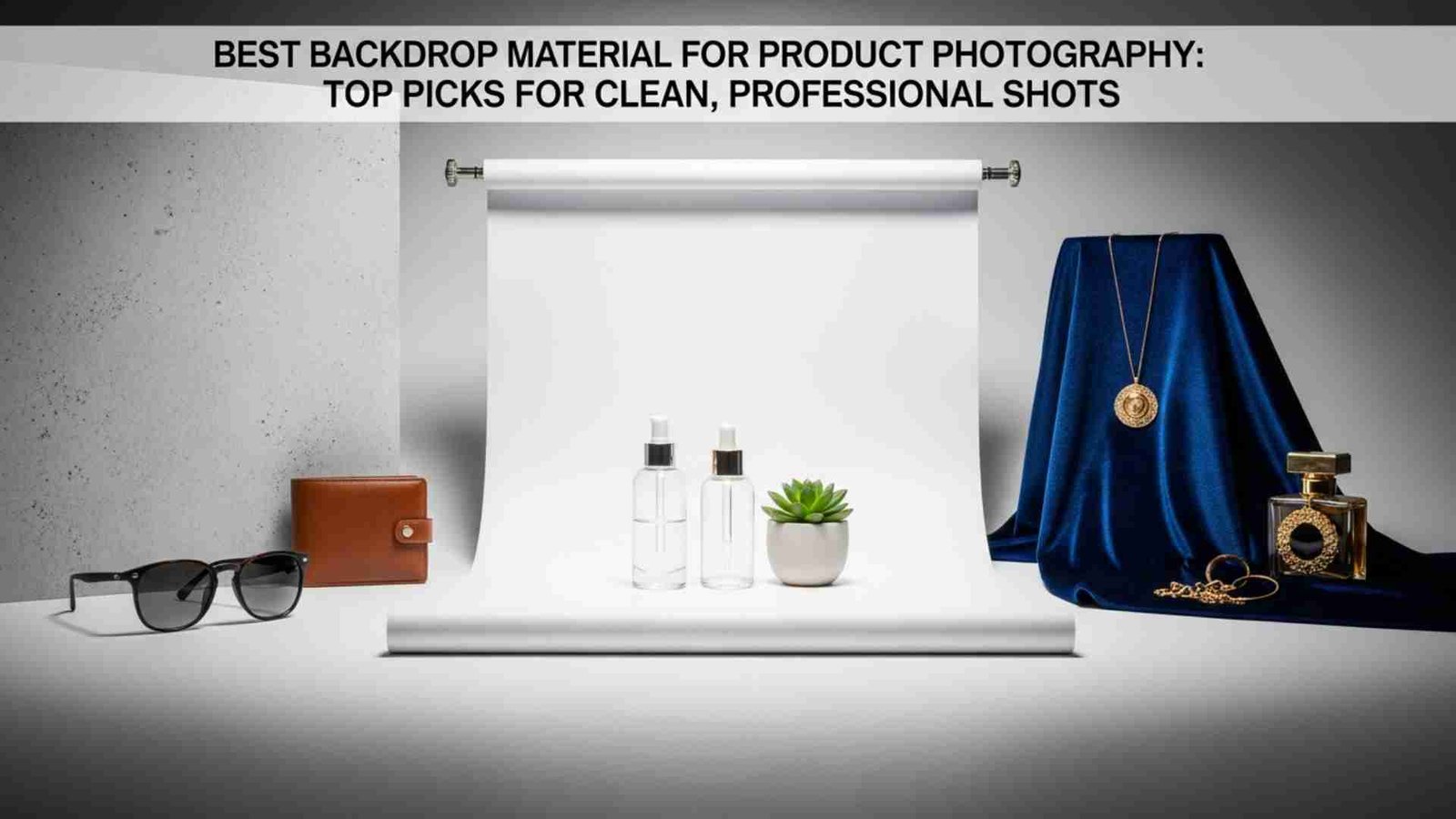
If you’ve ever wondered why some product photos instantly look clean, premium, and high-end, while others feel cheap or distracting, the answer often comes down to one simple thing: the backdrop. Choosing the Best Backdrop Material for Product Photography can dramatically change the quality of your images, the way customers perceive your brand, and ultimately how well your products convert.
Today, we’re diving deep into backdrop materials — the real workhorses behind clean eCommerce visuals. Whether you’re a beginner building your first small home studio or a business owner trying to optimize your product presentation, this guide will give you everything you need to make informed purchase decisions. And because this article is designed for commercial intent, we’ll compare real options that photographers and sellers actually buy and use every day.
Let’s explore which backdrop materials deliver the clean, professional results your customers expect.
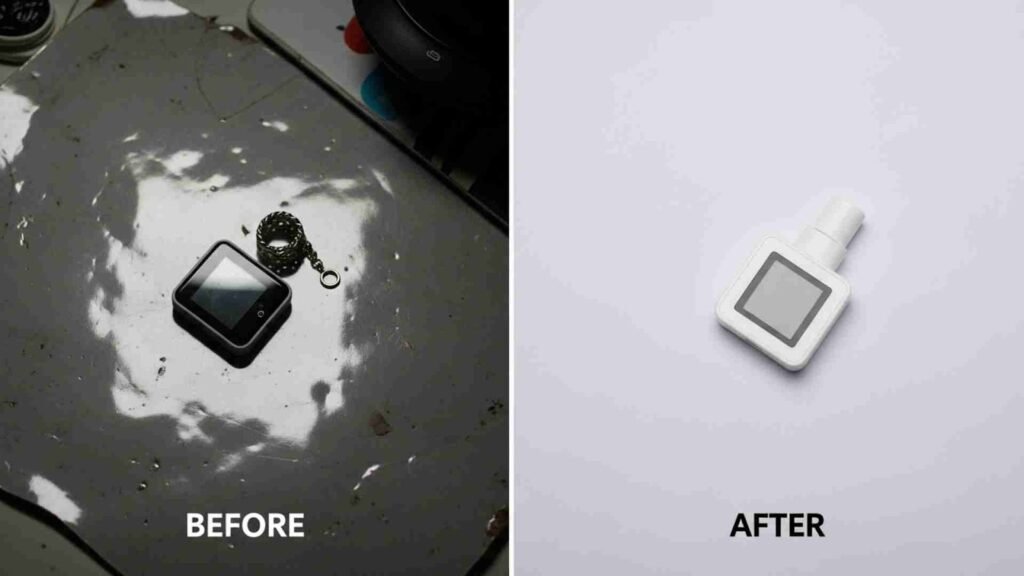
Before choosing the Best Backdrop Material for Product Photography, it’s important to understand why selecting the right one matters. When customers land on your product page, they aren’t just evaluating your product — they’re judging your brand’s professionalism. A messy, wrinkled, glossy, or uneven background can instantly lower the perceived value of what you’re selling.
A clean backdrop does more than look good. It:
Platforms like Amazon, eBay, Etsy, Walmart Marketplace, and Shopify all favor clean, distraction-free backgrounds. The right backdrop material helps you meet these standards easily without spending hours fixing things in editing.
This is why choosing the Best Backdrop Material for Product Photography is one of the smartest investments a seller or photographer can make.
One of the most widely used materials in studios around the world is seamless paper. This backdrop material is affordable, extremely clean-looking, and comes in dozens of colors tailored for product photography.
The biggest advantage of seamless paper is its smooth, matte finish. This finish reduces reflections and creates a soft, pleasing background that flatters everything from skincare products to electronics to clothing. When your goal is achieving clean and professional shots, seamless paper is a top contender.
Seamless paper rolls are also disposable. This means if a section gets dirty or creased, you can simply roll down more paper. This convenience makes it reliable for high-volume studios that shoot daily.
Whether you shoot jewelry, cosmetics, shoes, bags, tools, or packaged goods, seamless paper is often considered one of the Best Backdrop Material for Product Photography because of its versatility and simplicity.
When you need something more durable than paper—especially something you can use over and over—vinyl backdrops are your next best choice. Vinyl is thick, sturdy, washable, and rarely stains. It’s also ideal for food photography because spills wipe right off.
Another advantage of vinyl is that it lies perfectly flat. Unlike fabric, vinyl does not wrinkle easily, and unlike paper, it doesn’t tear. For product photographers who want a long-term, cost-effective solution, vinyl is a smart investment.
You’ll find vinyl available in white, black, solid colors, textures, faux wood, stone, marble, and countless patterns. This makes it extremely flexible for different product categories.
Vinyl is widely considered one of the Best Backdrop Material for Product Photography for businesses that shoot regularly and want predictable, repeatable results without constantly buying new materials.
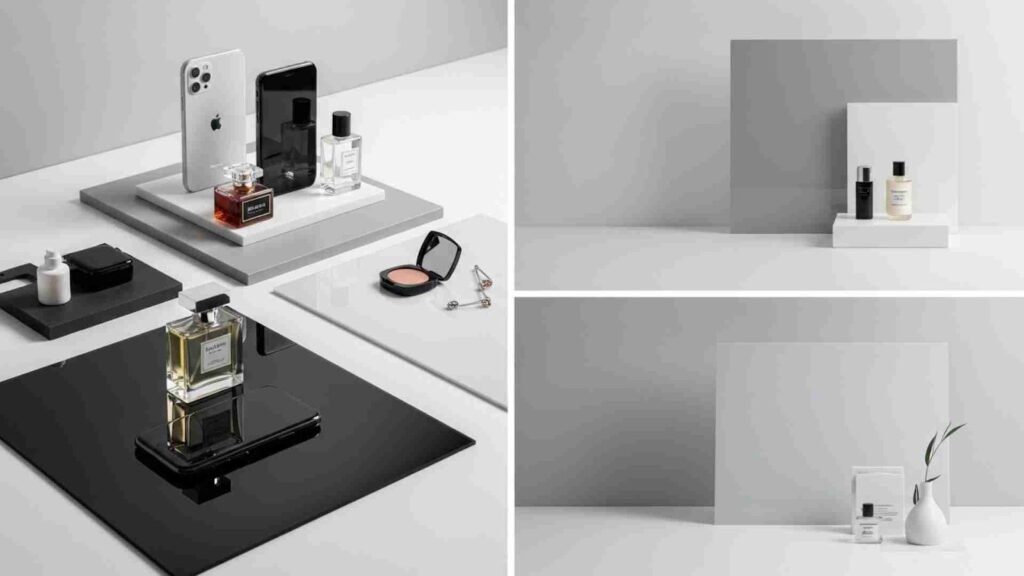
When you aim for glossy, modern, or reflective aesthetic styles—like tech gadgets, beauty products, or luxury items—PVC or acrylic sheets are fantastic options. These materials give a polished look that immediately elevates the visual appeal of your product.
Acrylic sheets come in both glossy and matte varieties. Glossy acrylic works beautifully for reflections, allowing you to create those eye-catching “mirror table” product photos. Matte acrylic, on the other hand, helps achieve a soft, diffused look without the heavy shine.
PVC sheets behave similarly but are lighter and often more affordable. They are popular for flatlays, lifestyle photos, and minimalist product displays.
Because these surfaces look clean, premium, and modern, they regularly earn a place on lists featuring the Best Backdrop Material for Product Photography, especially for brands aiming for a luxury or high-end vibe.
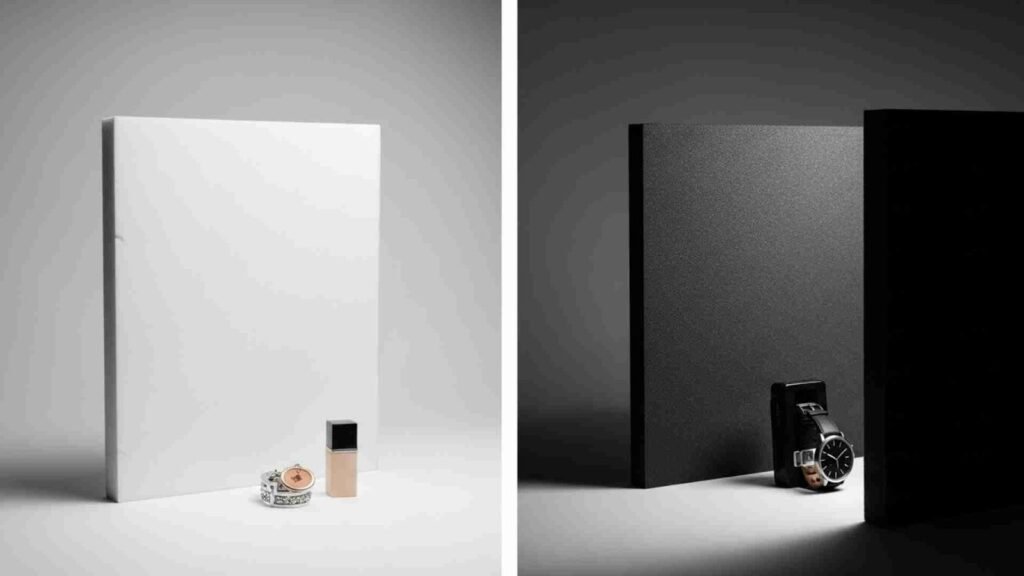
Foam boards don’t get enough credit, but they’re incredibly helpful for product photography. They’re lightweight, cheap, and easy to position. Many photographers use foam boards as both backdrops and reflectors.
White foam board provides a clean, matte background that works very well for small products. Black foam board helps control light spill and can create dramatic, high-contrast scenes.
Because foam boards are inexpensive and widely available, they’re excellent for beginners who want professional results without investing heavily. They are often mentioned among the Best Backdrop materials for Product Photography simply because they deliver great results with almost no effort.

Fabric backdrops give a soft, natural, lifestyle-friendly aesthetic. You’ll see them used often in clothing, jewelry, beauty, candles, and handmade product photography. Linen, cotton, muslin, and microfiber all deliver beautiful textures that add depth to your images.
However, fabric can wrinkle, which requires steaming or careful handling. While they’re not as clean or uniform as paper or vinyl, fabric is excellent when you want your images to look warm, natural, and lifestyle-focused.
Many handmade brands on Etsy, Shopify stores, and Instagram sellers choose fabric as their Best Backdrop Material for Product Photography because it makes their brand feel more personal and organic.
Choosing the Best Backdrop Material for Product Photography isn’t just about the material—it’s also about color. Colors affect your product’s mood, visibility, and perceived value.
White backdrops are the universal standard because they look clean and meet marketplace requirements. Light grey is another excellent option, especially for high-end brands, because it gives more depth than pure white without overpowering the product.
Beige, sand, and cream colors are ideal for beauty and skincare because they offer a warm, welcoming feel. Dark backgrounds like black, charcoal, and navy are popularly used for shiny or reflective products, giving them a dramatic, premium look.
When selecting backdrop colors, always choose shades that highlight your product instead of competing with it. This step is critical when choosing the Best Backdrop Material for Product Photography, because even the perfect material will fail if the color doesn’t complement your item.
A backdrop is only half the story; lighting is the other half. No matter how high-quality your backdrop material is, poor lighting will ruin the final result. The goal is to use lighting that works with your background, not against it.
Matte materials—like paper, foam board, and matte fabric—handle lighting very easily because they absorb reflections. Glossy surfaces—like acrylic, vinyl, and some plastics—look amazing when lit correctly, but they require more control to avoid harsh highlights.
Soft, diffused lighting works best in most cases. This reduces glare, softens shadows, and ensures your backdrop looks clean and professional. The harmony between lighting and background is what turns an ordinary photo into a clean and brand-ready shot.
This is why photographers carefully compare materials before choosing the Best Backdrop Material for Product Photography, ensuring both lighting and background complement each other perfectly.
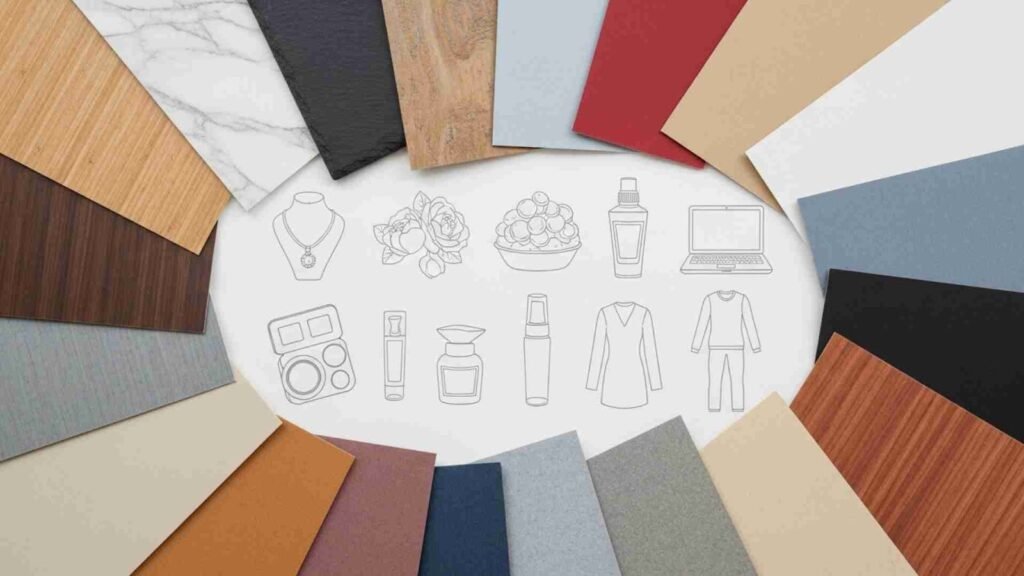
Understanding each material is great, but choosing the Best Backdrop Material for Product Photography also depends heavily on what you’re shooting. Not every product behaves the same way when placed on the same surface. The texture, color, reflectiveness, and size of your product all influence which backdrop will make it look its best.
Let’s explore how different product categories interact with different backdrop materials so you can make confident, commercial buying decisions.
Jewelry is one of the most challenging product categories because gemstones and metals reflect everything around them. Even the tiniest reflection can distract buyers. This is why matte backdrops like seamless paper, soft fabric, or matte vinyl are ideal.
Matte surfaces do not bounce light back into the camera, which helps your product stand out crisply. Smooth white or soft beige colors often work perfectly because they highlight the shine of the jewelry without overwhelming it.
Some photographers also use acrylic sheets, especially black glossy acrylic, to create elegant reflections under rings, bracelets, or earrings. This can make your jewelry look more expensive and glamorous. However, glossy acrylic requires precise lighting to avoid glare.
Because of lighting control and texture quality, matte surfaces are frequently recommended as the Best Backdrop Material for Product Photography for jewelry sellers who want maximum clarity.
Cosmetic brands often aim for a fresh, clean, minimal aesthetic. This is why seamless paper, light-colored vinyl, and soft fabrics work beautifully. Fabric textures like linen or cotton create a natural, wellness-friendly vibe, while smooth paper gives a clinical, crisp look.
For premium skincare brands, acrylic sheets deliver a high-end feeling that mimics glass or luxury countertops. When paired with careful lighting angles, glossy acrylic can create beautiful reflections that enhance the perceived value of the product.
Beauty brands commonly blend texture and simplicity, making both vinyl and fabric popular choices for the Best Backdrop Material for Product Photography in the beauty industry.
When photographing apparel or bigger accessories like handbags, backpacks, or shoes, you need backdrops that are wide enough to cover your entire frame. This is where seamless paper and fabric shine.
Fabric is especially useful because it drapes naturally and can create the soft lifestyle aesthetic many clothing brands love. However, seamless paper remains the most professional choice when you need a wrinkle-free, uniform look.
In product comparison lists and professional discussions, seamless paper is consistently named as the Best Backdrop Material for Product Photography for medium to large items because it provides flawless consistency and comes in rolls up to 9–12 feet wide.
Tech items like phones, speakers, headphones, or wearable devices look best when placed on modern, polished surfaces. This is why acrylic and PVC sheets are so popular in tech photography.
Black or white glossy acrylic backgrounds instantly give your product a premium, futuristic look. They make screens and edges appear sharper and help the lighting achieve that clean studio aesthetic.
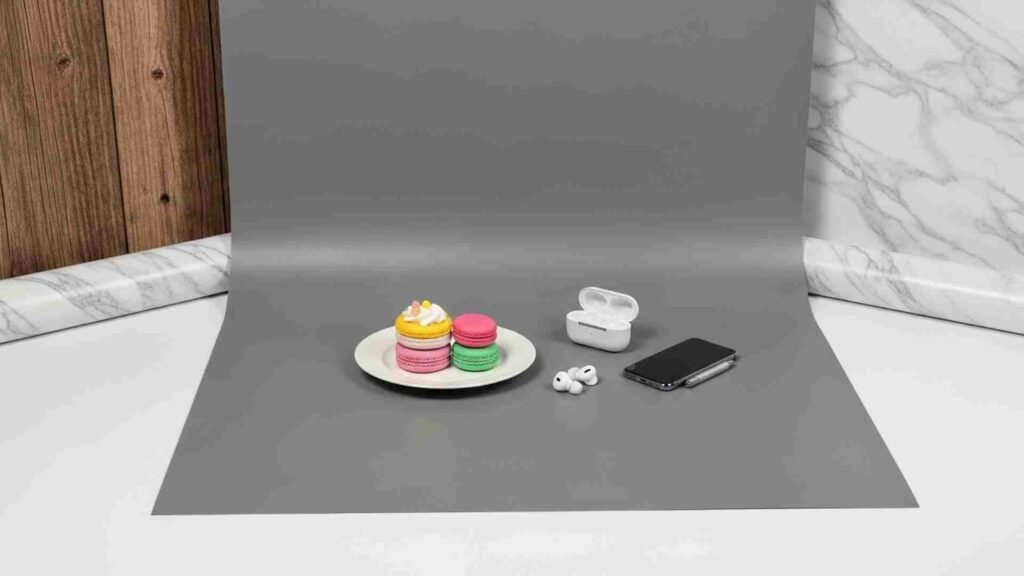
If you want a more minimalist, brand-neutral style, matte vinyl or seamless paper work very well too. Many commercial studios prefer neutral grey backgrounds because they add depth while still looking clean and professional.
These surfaces are often featured in guides related to the Best Backdrop Material for Product Photography for electronics, especially when aiming for premium branding.
If you’re photographing beverages, snacks, baked goods, or food packaging, spills are almost guaranteed. This is why vinyl is one of the smartest choices for food photography. It’s washable, stain-resistant, and incredibly durable.
Vinyl backdrops come in countless patterns like marble, ceramic tiles, stone surfaces, wood textures, and premium tabletop looks. These textures help create believable lifestyle scenes that do not require expensive props or furniture.
PVC sheets are also excellent because they resist moisture and provide a clean, modern look. They are especially useful for drinks photography, where condensation and drips are common.
In the food industry, vinyl is often considered the Best Backdrop Material for Product Photography because it is both beautiful and highly practical.
For handmade brands, the goal is to show authenticity, craftsmanship, and warmth. Natural-textured fabric backgrounds like linen, burlap, or soft cotton help communicate this handmade aesthetic effortlessly.
Wood backdrops—whether real or printed vinyl—also work beautifully. Light wood gives a Scandinavian feel, while darker wood tones create a rustic, cozy vibe.
These textured materials help highlight craftsmanship, making fabric and wood some of the Best Backdrop Material for Product Photography for small makers and creative sellers.
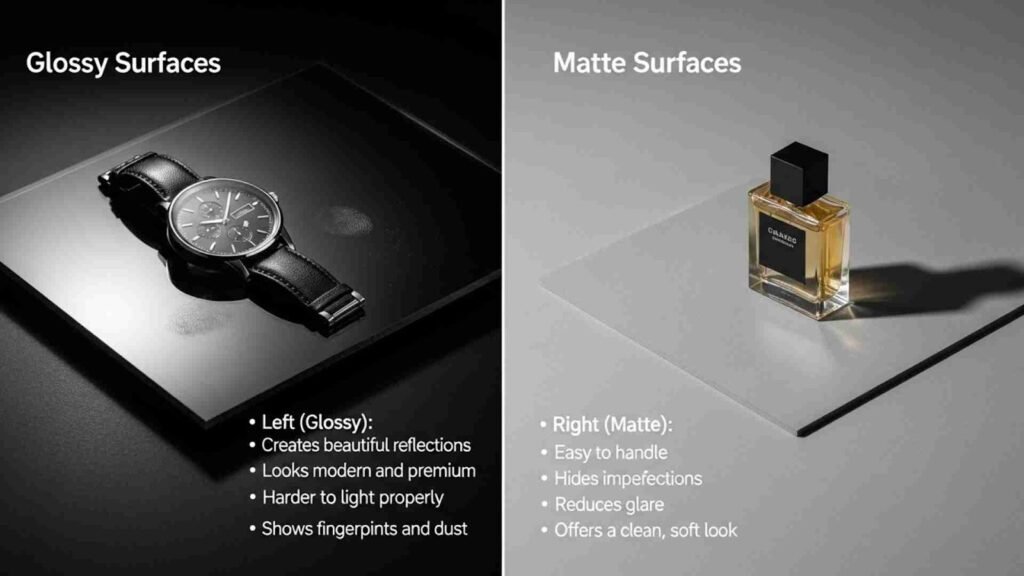
When choosing the Best Backdrop Material for Product Photography, you must consider how reflective the surface is. A glossy material behaves very differently from a matte one.
Glossy surfaces:
Matte surfaces:
If you’re not comfortable with controlling reflections, stick to matte materials like paper, foam board, and matte vinyl. If you want a high-end mirrored style, acrylic sheets are your best option.
Understanding how textures interact with lighting helps you avoid editing headaches later.
If you’re on a budget, some photographers choose DIY solutions. Foam boards, poster boards, and even contact paper mounted on cardboard can work surprisingly well.
However, for commercial-level photography, professionally made materials are worth the investment. They are more durable, more consistent, and give a cleaner finish.
Brands that take their visuals seriously usually invest in the Best Backdrop Material for Product Photography, because it saves time, reduces editing, and improves brand presentation.
Even the best materials will wear out if not stored properly. Seamless paper must be stored upright to avoid warping. Vinyl backdrops should be stored flat or rolled with their printed side facing outwards. Acrylic and PVC sheets should be kept covered to prevent scratching.
Taking care of your backdrops keeps them looking clean and professional for every photoshoot. Poorly stored materials develop dents, creases, and texture issues that show up in photos.
This maintenance step is often overlooked, but essential when you regularly use the Best Backdrop Material for Product Photography in a professional setting.
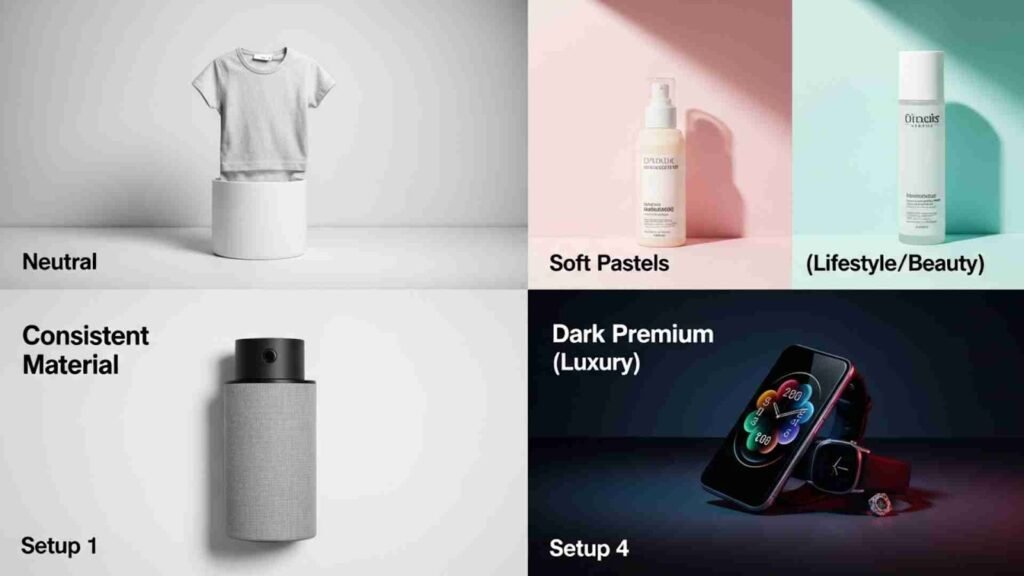
Every brand has a personality, and your product photography should reflect it. Neutral colors like white, grey, or beige are universally appealing and work well for most online stores, but your brand may call for something different. Soft pastels may work for lifestyle and beauty brands, while black or deep-colored backgrounds add a premium feel for tech, jewelry, and luxury products.
Remember, consistency is key. Using the same backdrop material across your product catalog ensures that your brand maintains a unified visual identity. This cohesion is a crucial part of why the Best Backdrop Material for Product Photography matters—it affects how customers perceive your brand as professional and trustworthy.
Sometimes, combining materials produces better results than sticking to a single type. For example, a white seamless paper background with an acrylic reflection panel can make jewelry or cosmetics pop. Using textured fabric in the background and a smooth vinyl surface in the foreground can add depth and style to lifestyle or handmade product shots.
Experimenting with combinations allows you to tailor your product photography to different types of content, from catalog images to social media posts, while still keeping your images professional and high-quality.
No matter how premium your backdrop material is, lighting defines its final appearance. Matte backdrops handle direct light well without reflections, while glossy acrylic and PVC materials require diffused lighting to prevent glare.
Softboxes, umbrellas, and LED panels are popular choices for product photographers because they allow even, diffused light that complements nearly all backdrop materials. Positioning your lights at angles that minimize harsh shadows is key, especially for glossy surfaces.
High-quality backdrops paired with proper lighting ensure that the Best Backdrop Material for Product Photography lives up to its potential and produces images that attract buyers.
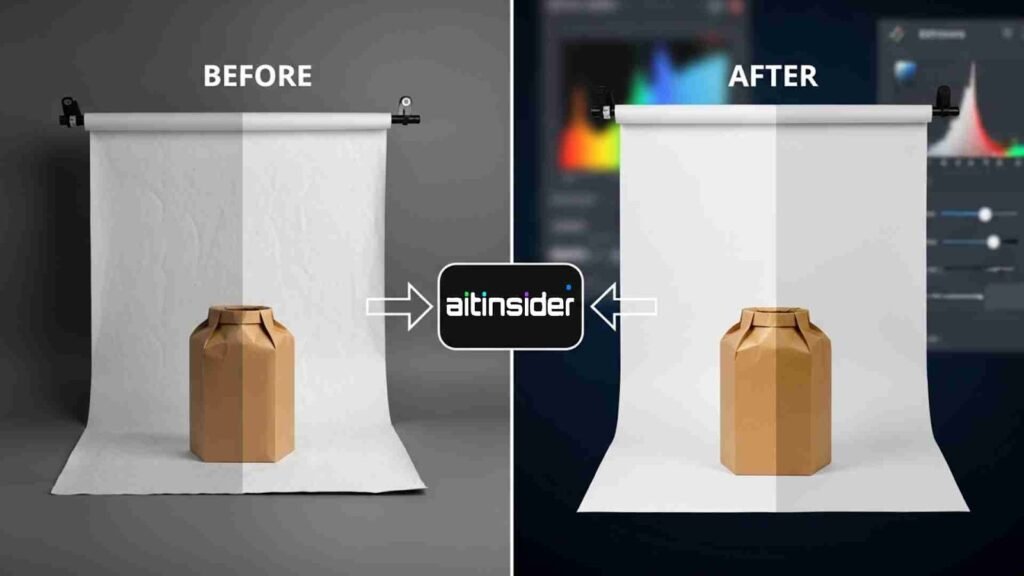
Even with the best backdrop materials, post-production is essential. Editing allows you to perfect color balance, remove minor imperfections, enhance contrast, and ensure that your images are marketplace-ready.
For example, seamless paper or vinyl backdrops are often easier to edit due to their smooth surfaces, making background removal faster and simpler. Fabric textures may require careful retouching to maintain a natural look.
This is where professional editing services like aitinsider come in. Outsourcing editing ensures your products look clean, consistent, and visually compelling, even when shooting high volumes of items. Using the Best Backdrop Material for Product Photography, along with expert editing, guarantees a polished final product.
To maximize the lifespan and appearance of your backdrop materials:
Proper care ensures your backdrop always looks professional, saving time in retouching and maintaining high-quality images for your online store.
Investing in the Best Backdrop Material for Product Photography is not just about aesthetics. High-quality backdrops increase perceived value, improve consistency, reduce editing time, and directly impact sales. A clean, professional background builds trust with your customers and encourages purchases. In eCommerce, first impressions matter—and your backdrop is a silent ambassador of your brand.
Whether you sell handmade crafts, jewelry, electronics, or beauty products, choosing the right backdrop material positions your products for commercial success.
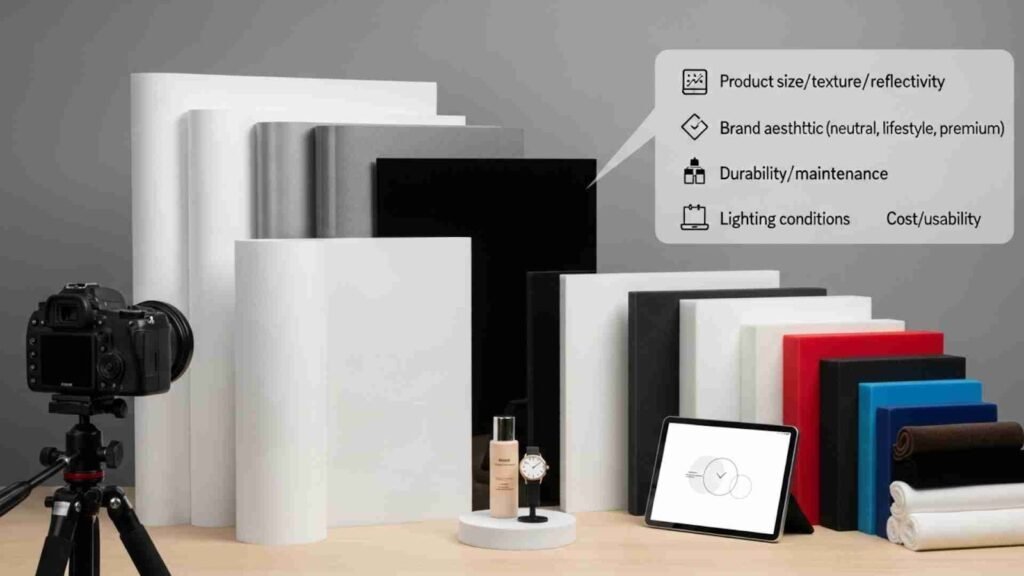
To summarize, when selecting the Best Backdrop Material for Product Photography, consider these factors:
Materials like seamless paper, vinyl, acrylic, PVC sheets, foam boards, and fabrics all have their place in a professional photographer’s toolkit. The key is matching the material to the product type and shooting style.
By choosing wisely, you ensure that every product shot is professional, clean, and ready to convert visitors into customers.
Even the Best Backdrop Material for Product Photography benefits from professional editing. At aitinsider, we specialize in making product photos clean, consistent, and ready for marketplaces.
Our services include:
When you pair the Best Backdrop Material for Product Photography with our expert editing services, you get professional-grade images that increase conversion rates, reduce return rates, and elevate your brand’s online presence.
Your products deserve the spotlight. aitinsider ensures they shine in every shot.