
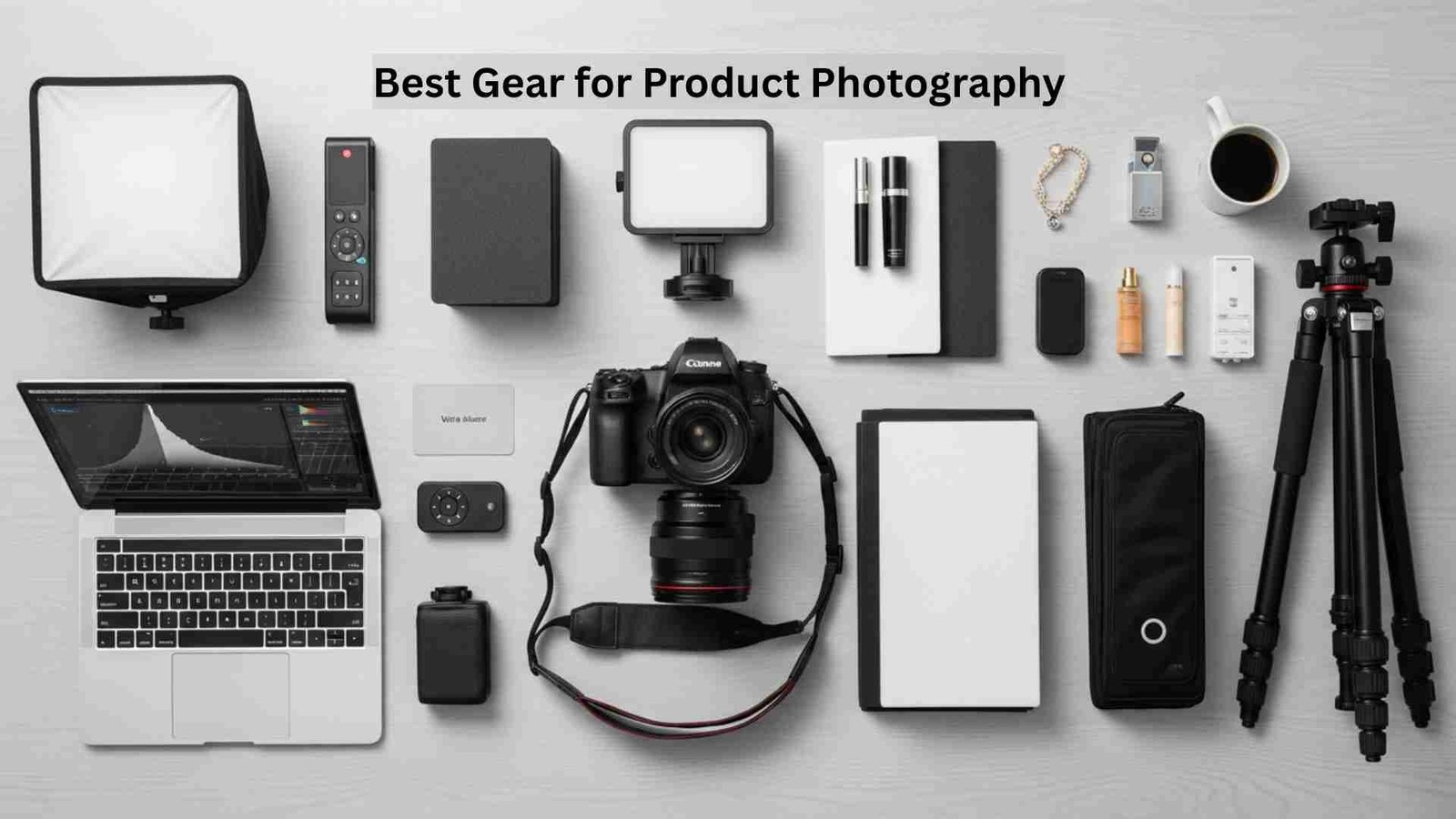
If you’re running an online store, planning to start one, or simply want to improve the quality of your product photos, you’ve probably asked yourself what setup you need to get clean, crisp, and professional-looking images. That’s exactly what we’re going to explore today. In this complete guide, we’ll walk through the Best Gear for Product Photography, explain how each piece helps you level up your visuals, and help you decide what to buy depending on your budget, brand style, and product type.
This topic is especially important for e-commerce owners because high-quality visuals are the biggest trust-building factor for online consumers. Poor photos hurt your brand. Great photos sell your product before the customer even reads the description. And choosing the Best Gear for Product Photography can make that difference.
This guide is written in a simple, friendly, human tone, just as if we’re sitting and talking about your ideal studio setup. So, let’s dive right in and start building the perfect gear list for your e-commerce success.
Why Choosing the Best Gear for Product Photography Matters
Product photography is more than simply capturing an object on a table. It’s a blend of visual storytelling, precision, lighting control, color accuracy, and consistency. When shoppers scroll through Amazon, Shopify, Etsy, or any e-commerce marketplace, they’re judging your product quality within seconds, and your gear plays a big part in shaping that perception.
When you use the Best Gear for Product Photography, you eliminate distracting shadows, color shifts, soft edges, and grainy textures. You create images that look clean, premium, and trustworthy. In the world of online selling, trust equals conversions.
So, choosing the right gear isn’t about owning expensive tools. It’s about creating the perfect environment for your products to shine.
Best Cameras for Product Photography
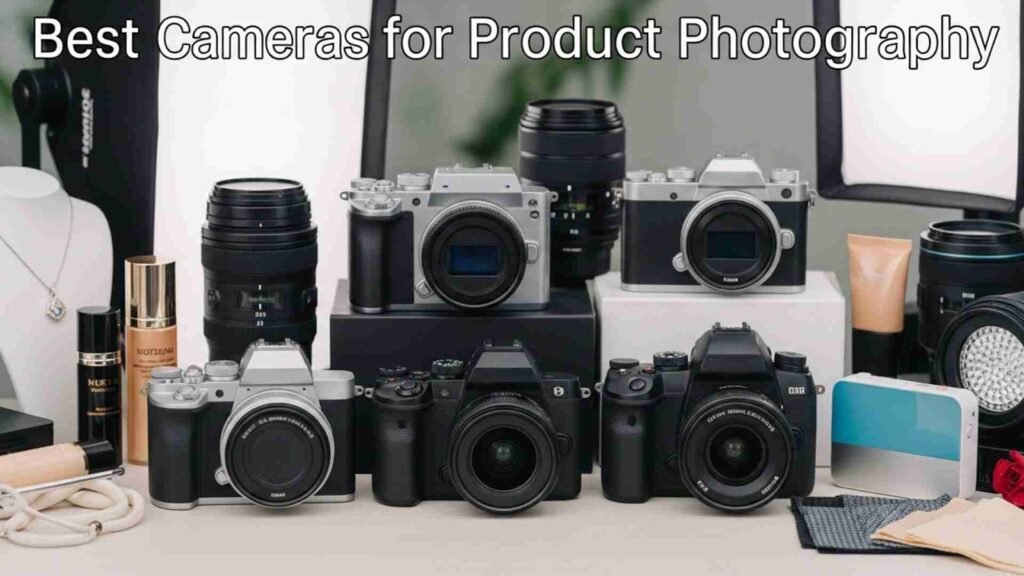
Let’s start with the heart of your setup, the camera. Many beginners believe they need the most expensive model, but that’s not true. What you really need is a system that gives you sharpness, flexibility, accurate colors, and full control over settings.
Mirrorless cameras dominate the market right now because they offer high resolution, excellent autofocus, and great color performance. This makes them some of the Best Gear for Product Photography available today. A high-resolution sensor helps you capture small textures and fine details, especially for jewelry, cosmetics, electronics, and fabrics.
If you’re on a budget, entry-level mirrorless models still deliver fantastic results, especially when paired with a good lens and controlled lighting. As you scale your brand or start working with clients, mid-range to professional full-frame cameras will give you the best long-term investment.
The goal isn’t to overspend but to choose a model that fits your workflow and delivers consistent quality.
Choosing the Right Lenses for Sharp and Clean Product Shots
When discussing the Best Gear for Product Photography, lenses matter just as much as cameras, sometimes even more. A great lens determines sharpness, depth control, and how clean your subject appears. Most product photographers rely on prime lenses because they offer superior optical clarity.
Macro lenses are highly recommended if you’re shooting jewelry, watches, or any items with tiny details. They allow you to get close to your subject without distortion while capturing clear textures, reflections, and edges. A standard prime lens, like a 50mm or 85mm, also works beautifully for larger objects, apparel, and lifestyle product arrangements.
The right lens reduces distortion and outputs a true, accurate shape of the product. This accuracy is essential for e-commerce, where customers expect the product to look exactly like the photo. When selecting the Best Gear for Product Photography, always prioritize lenses that offer clarity and minimal chromatic aberration.
Lighting: The Most Important Element of Product Photography
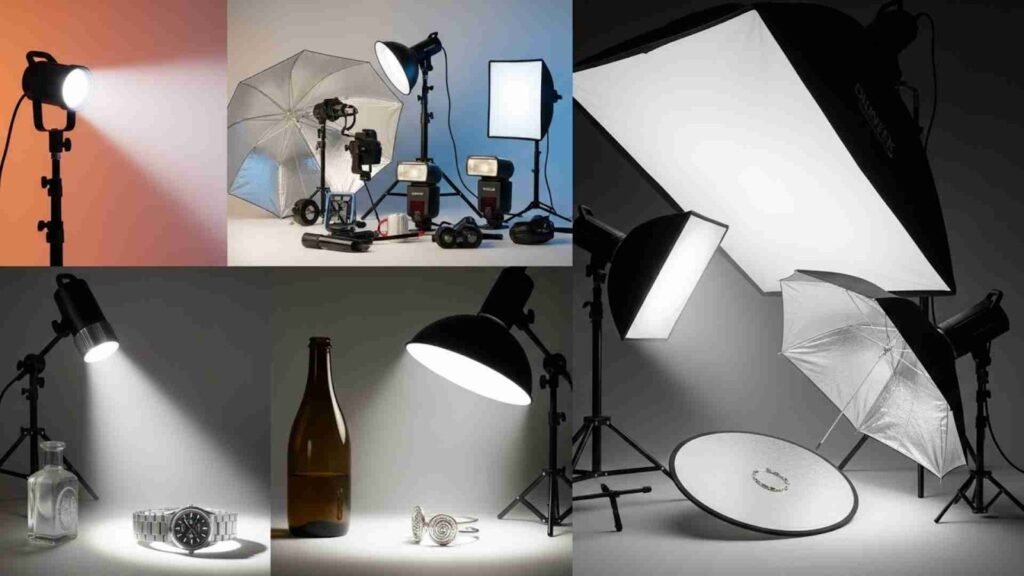
No matter how expensive your camera is, your photos will only look as good as your lighting setup. Light shapes your product, reveals textures, creates mood, and controls reflections. For many photographers, lighting is the foundational part of the Best Gear for Product Photography because good light can elevate even a basic camera.
Continuous LED lights are popular because what you see is what you get. They’re great for beginners and professionals alike. On the other hand, flash or strobes offer more power, freeze motion, and provide extremely crisp results, ideal for commercial-level product shoots.
Softboxes, diffusers, umbrellas, and reflectors help soften harsh lighting and eliminate shadows. If you’re photographing shiny items like metal, glass, or jewelry, diffusion becomes your best friend. It helps eliminate unwanted reflections and makes the product look elegant and clean.
For e-commerce success, consistent lighting is the key to creating a professional product catalog.
Backdrops and Surfaces for Clean Product Presentation
The backdrop is the stage on which your product performs. When building the Best Gear for Product Photography, never overlook the importance of backgrounds. They influence mood, contrast, product visibility, and overall brand identity.
White backdrops are essential for standard marketplace listings like Amazon, Walmart, and eBay. Meanwhile, colored or textured backgrounds help brands stand out on social media and ads. Acrylic surfaces, marble sheets, wood textures, and gradient boards can enhance product storytelling without overwhelming the item.
Backdrops should be wrinkle-free, reflective-safe, and durable enough to handle frequent use. Investing in quality materials ensures your product shots look consistent across campaigns.
Tripod and Stabilization Tools for Perfectly Sharp Images
A tripod is one of the most underrated pieces of equipment in the Best Gear for Product Photography. While handheld shooting might work for lifestyle photos, controlled e-commerce images require absolute stability.
A good tripod ensures perfect framing, minimizes blur, and allows you to use lower ISO settings for cleaner images. When working with reflective items, keeping the camera still also helps avoid unwanted shifts in reflection angles.
Some photographers also use a remote shutter or camera app to avoid vibration when pressing the shutter button. This extra stability ensures maximum clarity for catalog images.
Light Modifiers and Diffusion Tools for Studio-Quality Results
Light modifiers shape your lighting according to your creative vision. They soften harsh light, create gradients, eliminate hotspots, and control shadow direction.
Softboxes, diffusers, reflectors, barn doors, and grids help you achieve a studio-quality look even in small spaces. These tools are a vital part of the Best Gear for Product Photography because they turn average lighting into professional lighting.
For reflective items, a large diffuser panel is essential. For matte products, a softbox might be enough. Each modifier plays a role in controlling highlights, contrasts, and shadows.
Props and Styling Tools for Attractive Product Scenes
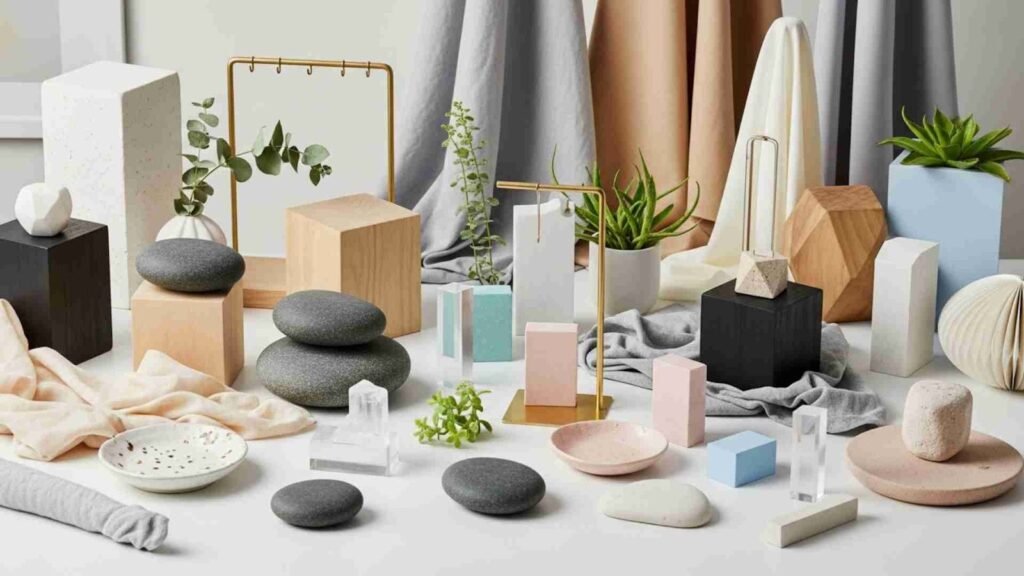
Props aren’t mandatory, but they can transform a simple photo into a premium lifestyle visual. The goal is to support the product, not distract from it. Stones, cubes, fabric, plants, jewelry stands, cosmetic blocks, and design elements help elevate the storytelling of your product.
While props are not usually considered part of the Best Gear for Product Photography, they do contribute to brand image and social media aesthetics. A small collection of versatile props helps you style beautiful scenes with minimal effort.
Editing Software: The Final Step in Achieving Perfection
Even if you have the Best Gear for Product Photography, your images will reach their full potential only after professional editing. Retouching corrects imperfections, fixes color issues, sharpens details, and removes dust or scratches.
Tools like Adobe Photoshop, Lightroom, and Capture One are industry favorites. Editing transforms raw images into polished, commercially ready product visuals.
If editing isn’t your strength or you simply want expert-level results, you can outsource your editing to professionals, saving time while improving consistency.
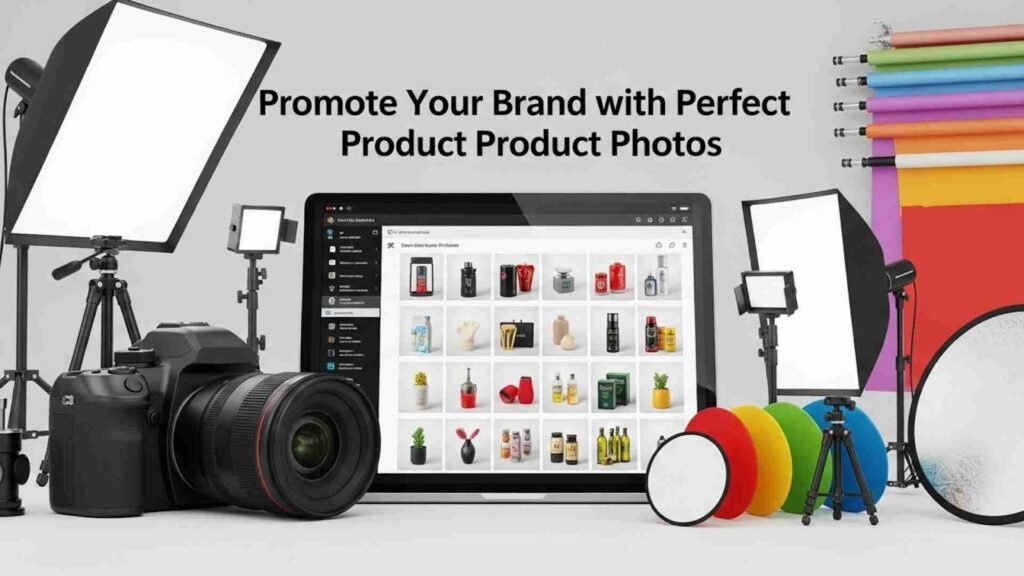
Promote Your Brand with Perfect Product Photos
A polished catalog doesn’t just look good; it increases conversions, elevates trust, and makes your online store look more professional. Investing in the Best Gear for Product Photography is one of the smartest decisions for growing your e-commerce brand.
Now that we’ve covered the essentials, we’ll continue with the next detailed sections in the following response. The final parts will include buying guides, budget setups, pro setups, common mistakes, studio layout tips, and more, bringing the article closer to the 3000-word target.
When the full article is complete, I’ll include a promotion for aitinsider at the end, highlighting the image editing services your website offers.
Building the Perfect Product Photography Setup (Beginner to Pro)
Now that we’ve explored the essential foundations, it’s time to go deeper and guide you through building a complete product photography setup tailored to your budget, workspace, and e-commerce goals. Whether you’re shooting from home, in a small studio, or setting up a full professional environment, understanding how to combine the Best Gear for Product Photography will help you achieve clean, sharp, and consistent results for your brand.
In this section, we’ll walk through recommended setups for beginners, intermediates, and professionals, followed by studio arrangement tips, common mistakes to avoid, and how to decide which gear is right for you. The goal is to make your product photography workflow smooth, predictable, and scalable.
Beginner Setup: Affordable but High-Quality Gear for New E-Commerce Sellers
If you’re just starting or working on a limited budget, you can absolutely create professional-looking product photos with a simple setup. The key is choosing gear that offers quality, flexibility, and good color accuracy without overspending.
A basic mirrorless camera paired with a standard prime lens is enough for most small-to-medium products. The clean look you get from a 50mm or 35mm prime lens delivers sharpness that makes your photos look more premium instantly. For lighting, continuous LED lights are the simplest option because they allow you to see the final result as you shoot. Combined with a softbox or diffuser, they create even, flattering lighting suitable for jewelry, skincare products, gadgets, and more.
The beginner version of the Best Gear for Product Photography doesn’t require a complex studio. A small tabletop setup using a PVC backdrop or paper roll works well. Add a simple tripod, and you’ll notice your images become much sharper, especially when shooting catalogs with multiple angles.
This beginner gear setup is ideal for small business owners, Amazon sellers, Etsy creators, or anyone who needs clean, professional photos without hiring a photographer.
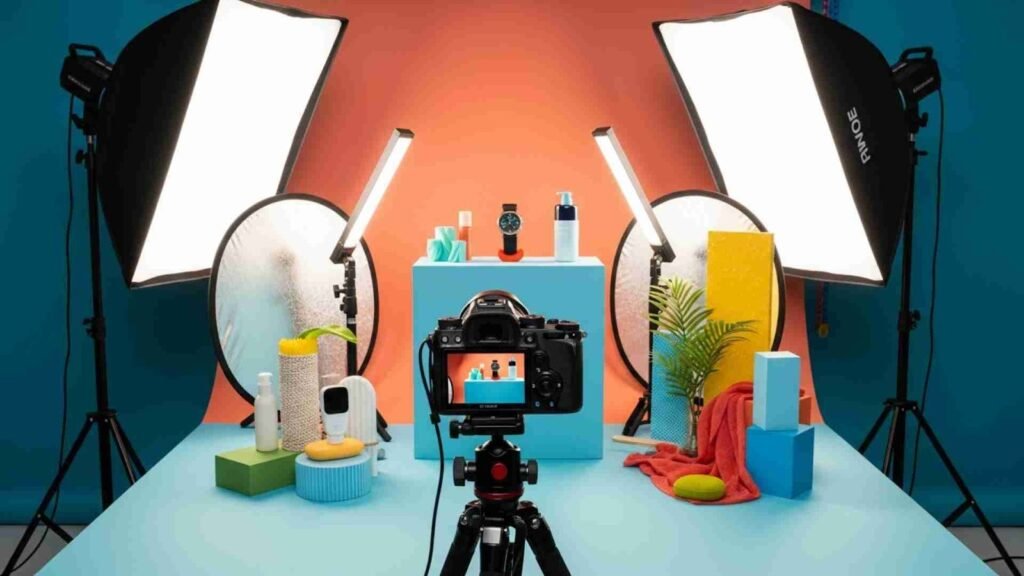
Intermediate Setup: Enhancing Quality and Versatility for Growing Brands
As your business grows, so does your need for visual consistency across product lines. This is where intermediate-level gear becomes useful because it gives you more control over your lighting, depth, and clarity. If you’re offering multiple products or frequently updating your catalog, stepping up your game can significantly increase efficiency.
A mid-range mirrorless camera with a higher-resolution sensor provides extra sharpness, something especially important for glossy, textured, or detailed products. This upgrade alone can make your images look more premium. Pairing it with a macro lens allows you to capture finer textures, especially for beauty products, accessories, and handcrafted items.
For lighting, upgrading to stronger LED panels or hybrid lighting (two lights with softboxes or strip lights) helps you eliminate shadows and achieve consistency across multiple product shoots. Utilizing C-stands, better diffusion panels, and reflector boards gives you more lighting control, resulting in polished, magazine-like visuals.
This level of equipment is commonly used by e-commerce stores managing medium to large product catalogs, fashion accessory brands, gadget sellers, and boutique online shops. If you’re aiming for more creative product scenes, such as floating objects, splashes, or lifestyle-themed stills, intermediate gear will support those creative goals.
At this stage, you’re working with some of the Best Gear for Product Photography while still maintaining cost efficiency.
Professional Setup: High-End Gear for Premium and Commercial Photography
When you’re ready to operate at a fully professional level, whether for your own brand or client work, the gear you choose becomes critical for delivering flawless commercial results. Professional product photographers rely heavily on full-frame high-resolution cameras because they capture extraordinary detail, color accuracy, and dynamic range.
A professional-grade macro lens is essential for jewelry, luxury items, watches, and intricate products. These lenses produce unbelievably sharp images that require minimal editing. For lighting, studio strobes are the gold standard because they offer power, precision, and absolute consistency across long hours of shooting.
Strobe lighting allows you to freeze motion perfectly, which is ideal for splash photography, pouring shots, textured surfaces, and reflective materials. Advanced modifiers such as strip boxes, beauty dishes, grids, and diffusion domes help sculpt your light with precision. This level of control is what separates professional-grade product photos from amateur ones.
Shooting tethered to a laptop using software like Capture One or Lightroom creates a real-time preview of your shots, helping you adjust lighting, composition, and exposure instantly. This workflow is a major time saver and ensures your images are perfect before you even begin editing.
When you’re working at this level, you’re fully utilizing the Best Gear for Product Photography available in the commercial market.
Organizing Your Studio Layout for Maximum Efficiency
Having the right gear is important, but knowing how to arrange it can make your workflow faster and more efficient. Even a small space can be transformed into a functional mini-studio.
Begin by positioning your table or shooting surface near a wall where you can mount or secure your backdrops. This keeps your background steady and prevents wrinkles or movement. Place your key light at a 45-degree angle to your product to create natural, soft shadows. If you’re using two lights, position the second light as a fill on the opposite side or use it as a backlight for depth.
For reflective items, diffusion panels should be placed between the light and the product to soften reflections. Using a tripod ensures your camera height remains consistent across all product angles. Keeping your workstation uncluttered allows you to switch products quickly, maintain focus, and keep your catalog images uniform.
A well-organized studio layout turns product photography into a smooth and enjoyable process rather than a stressful one.
Avoiding Common Product Photography Mistakes
Even with the Best Gear for Product Photography, beginners and professionals sometimes fall into a few common traps that affect their images. One of the biggest issues is inconsistent lighting. Changing your lighting setup while shooting the same product line can result in photos that look mismatched when displayed side by side.
Another mistake is shooting without a tripod, which leads to blurred images, especially in low light. Incorrect white balance also creates color shifts that make products look inaccurate. In e-commerce, color accuracy is everything, so setting your white balance manually or using gray cards is incredibly important.
Other issues include shooting too darkly, using harsh direct light, ignoring reflections, and overcrowding the scene with props. Avoiding these pitfalls ensures your results stay consistent and professional even before editing.
Choosing the Right Gear Based on Your Product Type
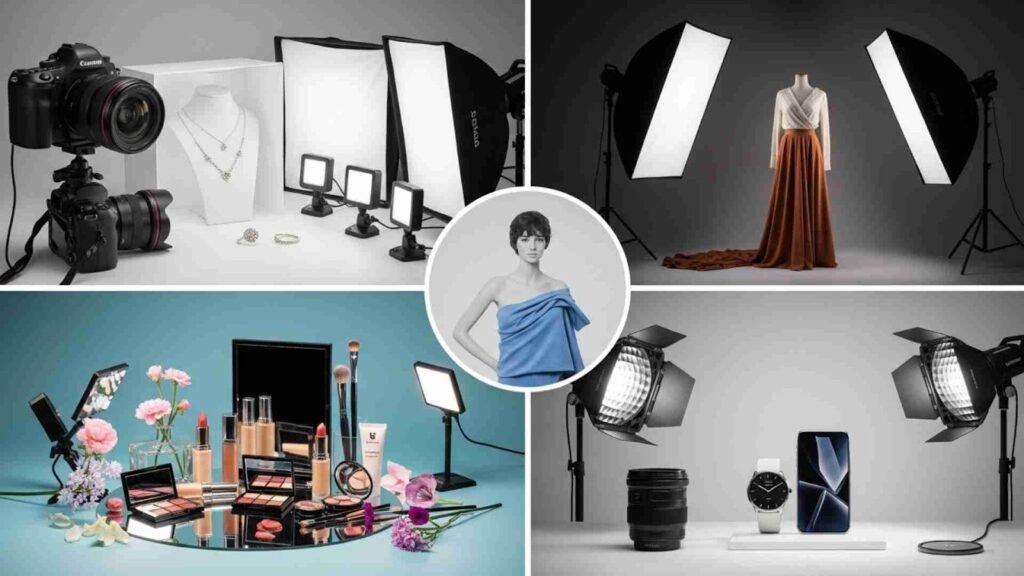
Not all gear works equally well for all products, so tailoring your setup to your industry is essential. Jewelry and reflective items require controlled lighting, macro lenses, and plenty of diffusion. Clothing and fabric products benefit from soft, evenly spread lighting that reveals texture without harsh shadows.
Cosmetics often need creative arrangements, props, and reflective surfaces, so LED continuous lighting helps visualize the final look. Electronics require clean, sharp shots with precise edges, often best achieved with prime lenses and strobe lighting.
Understanding which tools match your product category helps ensure you’re using the Best Gear for Product Photography for your specific niche.
Advanced Techniques, Workflow Optimization & Final Buying Guidance
Welcome to the final part of this complete guide on the Best Gear for Product Photography. In this section, we will go deeper into the advanced methods, creativity boosters, and workflow hacks that can help you take professional-quality product photos consistently. Whether you’re an e-commerce owner, a beginner photographer, or a creative brand storyteller, these insights will help you build a strong photography system that saves time and boosts your visual quality.
By the end, we’ll also include a clear buying guide, a workflow recommendation, and a final promotion for aitinsider, your go-to partner for professional image editing services.
Let’s continue shaping your perfect product photography setup.
Advanced Lighting Techniques for Professional Product Photography
Lighting is the soul of your product image. Even with the Best Gear for Product Photography, you need to understand how to shape light if you want truly commercial-grade results. Advanced lighting techniques can help you create soft, luxurious images that attract customer attention instantly.
One technique is edge lighting, which is perfect for glass, chrome, and reflective items. By placing lights behind diffusion panels on both sides of the product, you create clean highlights that outline the shape beautifully. This method is often used in perfume, beverage, and cosmetic photography.
Another technique is gradient lighting, which helps create smooth shadows and soft gradients across the product surface. Photographers use strip lights and scrims to achieve this high-end look. It’s especially useful for bottles, jars, and any object with cylindrical shapes.
For matte products like skincare tubes, boxes, chocolates, or apparel, top-down soft lighting creates even, premium shadows that look natural and editorial. These creative lighting methods elevate your images from simple catalog photos to brand-worthy visuals.
Using Color Theory and Composition to Enhance Product Presentation
Once you’ve mastered lighting, the next step is improving your composition and color balance. Understanding color theory helps you select backgrounds and props that complement your product. For example, warm-colored items often stand out beautifully on cool-toned backgrounds, while neutral products can look elegant on muted or monochrome surfaces.
Composition also influences how quickly customers understand your product. The rule of thirds, leading lines, and symmetry all play a role in making your product the focal point of the image. Clean composition allows your customers to instantly notice your product’s shape, features, and personality.
The Best Gear for Product Photography will support your creative decisions, but your composition and styling bring the image to life.
Creating Lifestyle Product Photos with Limited Gear
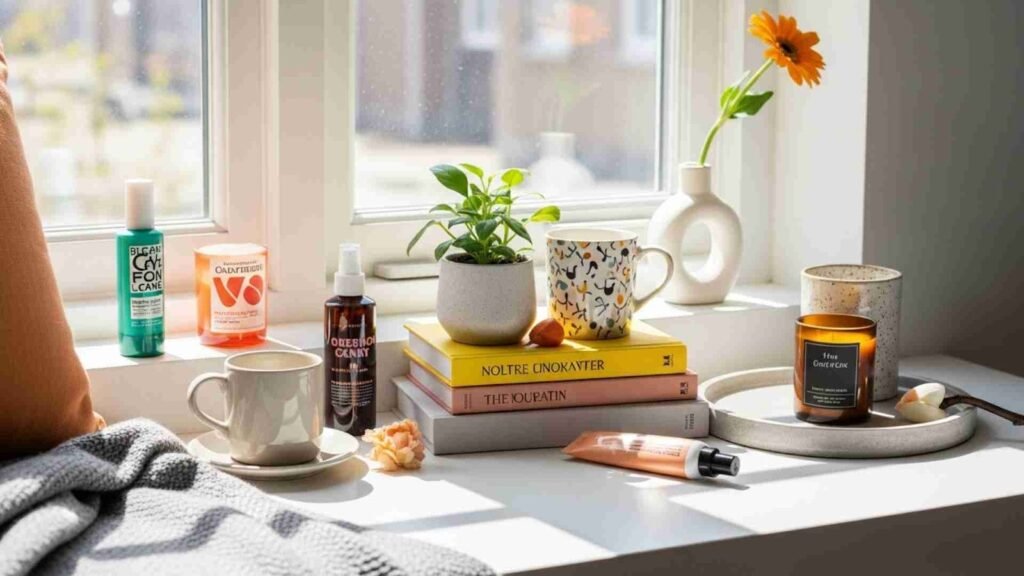
Lifestyle product photography gives context to your product. It helps customers imagine how the item fits into their daily lives. You don’t need expensive gear to create lifestyle photos, just creative lighting, thoughtful props, and a clean environment.
A single continuous light and a bounce reflector can create beautiful lifestyle scenes when positioned correctly. Using natural light near a large window also works incredibly well, especially with diffusers to soften harsh rays.
The trick is to keep the scene simple. Clean backgrounds, complementary props, and consistent color help your product stand out. Even with minimal gear, you can create magazine-level lifestyle images that support your brand identity.
How to Build a Workflow That Saves Time and Ensures Consistency
A smooth workflow is essential, especially if you’re shooting multiple products or updating your catalog regularly. When using the Best Gear for Product Photography, you should also optimize your shooting routine.
Start by organizing your products in order of size or category. This lets you maintain the same lighting setup for similar items, ensuring consistent results. Tethering your camera to a computer helps you check focus, exposure, and composition in real-time, reducing retakes.
Next, create a standard lighting setup that works for most of your products. Document your camera settings, light positions, and angles. This helps you recreate the same look days or weeks later when restocking or launching new product variations.
Finally, maintain a structured editing pipeline. Whether you edit in-house or outsource, consistency is key for a professional-looking online store.
Budget Gear vs. Premium Gear: What Should You Really Buy?
The biggest question most beginners face is whether they should buy budget gear or invest in premium equipment right away. The truth is, both can help you produce fantastic images depending on your needs.
Budget gear is perfect for small brands, new sellers, and individuals testing the waters. Basic cameras, prime lenses, and two continuous lights can deliver extremely good results if you control your environment.
Premium gear, however, becomes essential for brands that need high-volume production, work with reflective or high-detail items, or plan to offer photography services. Strobe lights, full-frame cameras, and advanced modifiers allow you to create crisp, consistent results at the highest commercial standard.
Regardless of which path you choose, remember this: the Best Gear for Product Photography is the one that fits your workflow, product type, and long-term goals.
Scaling Your Product Photography as Your Business Grows
As your brand expands, your photography needs will grow as well. That’s why it’s important to plan and build a setup that can scale with your business.
You may start with a single light and basic camera, but as you introduce more SKUs, you’ll need consistent lighting, faster workflows, and more reliable gear. Upgrading to stronger lights, adding a macro lens, and investing in proper backdrops can significantly improve your images and reduce editing time.
Some brands eventually build a full in-house studio. Others prefer outsourcing photography or post-production. Regardless of your direction, keep track of what your business needs today and what it might need six months from now.
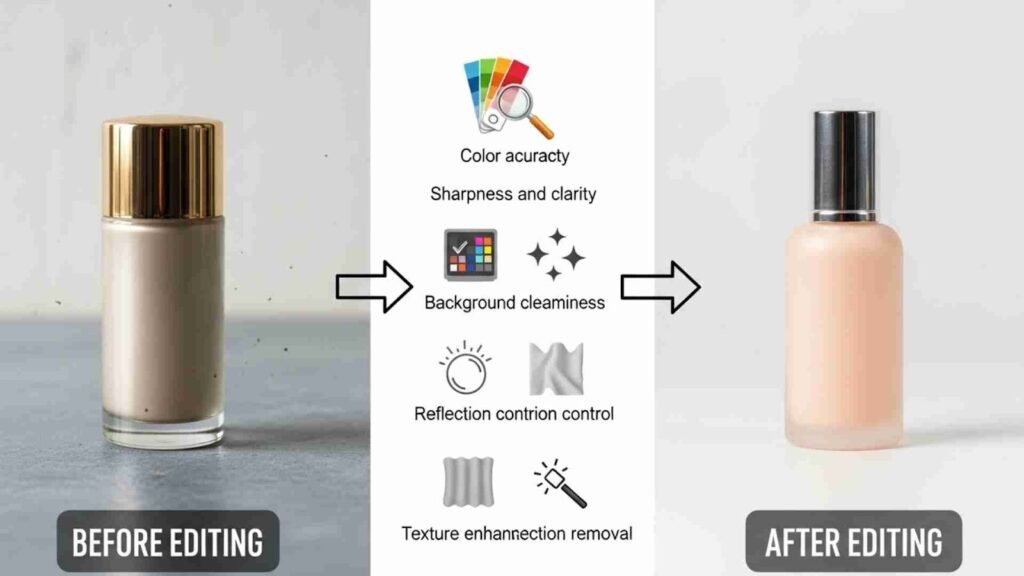
Why Editing Is Just as Important as Shooting
Even with the Best Gear for Product Photography, editing remains essential. Cameras can only capture raw light; editing transforms those raw files into clean, polished, and market-ready product visuals.
Editing improves:
- Color accuracy
- Sharpness and clarity
- Background cleanliness
- Reflection control
- Texture enhancement
- Imperfection removal
For e-commerce listing photos, customers expect perfection. Dust, scratches, fingerprints, or uneven lighting can make your products look unprofessional. This is where professional editing services make a big difference.
When You Should Outsource Editing to Professionals
If you’re handling dozens or hundreds of product images, editing can become overwhelming. That’s why many brands choose to outsource their retouching and background removal tasks. This helps you focus on shooting and growing your business instead of spending hours behind a computer.
Outsourcing is also ideal if:
- You’re not confident with Photoshop
- You want consistent editing across all products
- You need fast delivery
- You want high-end retouching for premium items
This is where our team at aitinsider can help you.
Final Thoughts and Your Next Step
Choosing the Best Gear for Product Photography is one of the smartest investments for anyone in e-commerce. With the right camera, lenses, lighting, backdrops, and editing support, you can create stunning product images that boost conversions, strengthen your branding, and help your business grow faster.
Whether you’re starting small or building a professional studio, remember that great product photography is a combination of the right tools, the right techniques, and a consistent workflow.
If you want your product photos to look clean, sharp, and professionally edited,
aitinsider is here to help.
We offer high-quality image editing, background removal, color correction, and product retouching services tailored for e-commerce stores of all sizes. Let us take the editing workload off your hands so you can focus on shooting and growing your business faster.
Whenever you’re ready, we’re here to help elevate your product images to the next level.