
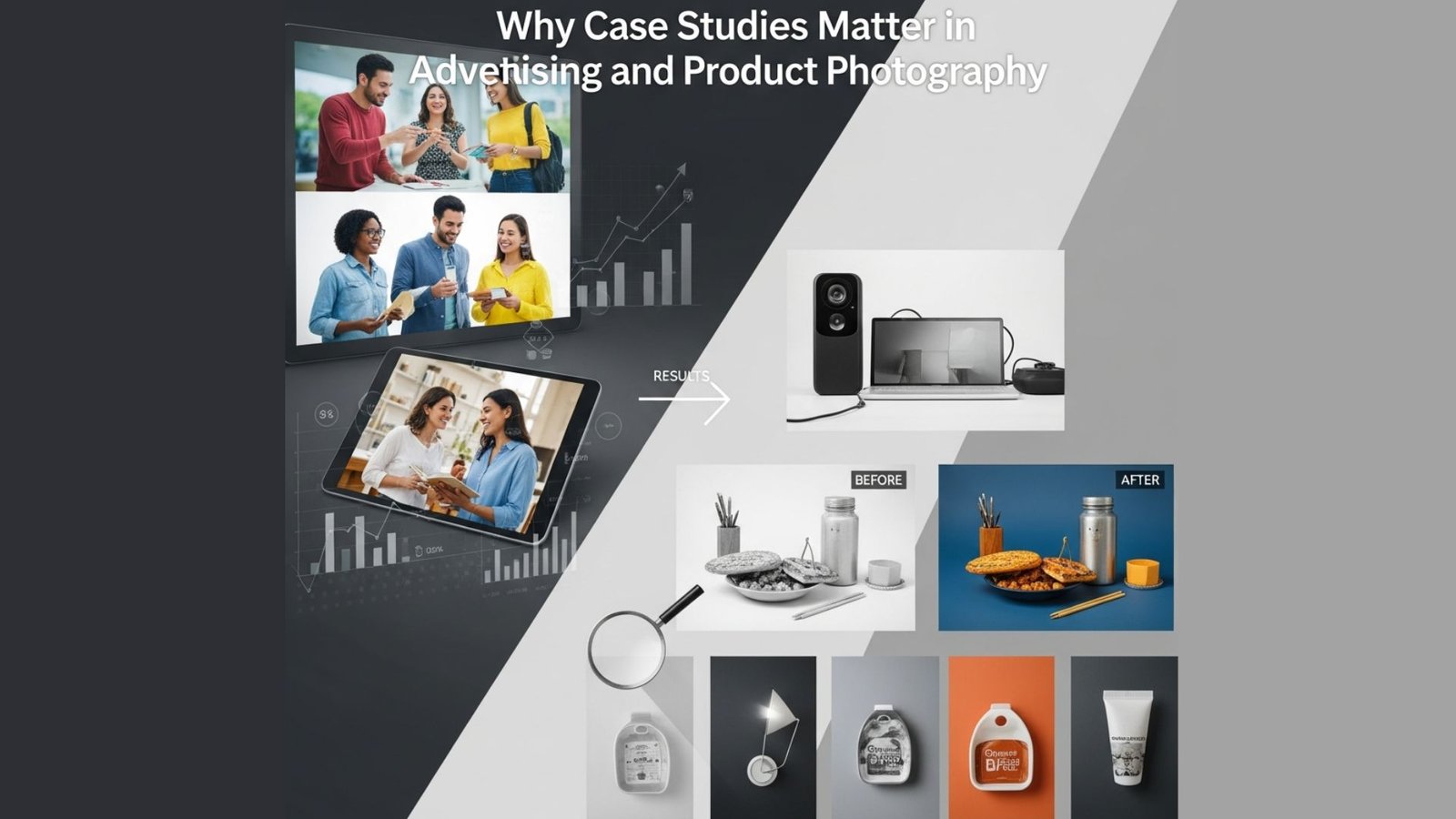
When examining some of the most memorable visual campaigns of recent years, one thing becomes clear: the right blend of creativity, technical skill, and storytelling can completely transform how a brand is perceived. That’s the essence of Advertising and Product Photography, and it’s why case studies are so valuable. They give you a behind-the-scenes look at what works, why it works, and how those results were achieved. Whether you’re a business owner, a creative director, or someone exploring ways to improve your brand’s visuals, seeing real examples makes the learning process much more practical.
What makes these campaigns especially interesting is how they strike a balance between artistry and strategic thinking. Advertising photography focuses on emotion, narrative, and lifestyle, while product photography emphasizes clarity, accuracy, and visual detail. When both approaches are combined well, the result is a campaign that not only grabs attention but also drives conversions. That’s the sweet spot many brands strive for today, especially in industries like beauty, electronics, fashion, and luxury goods.
Dubai, London, New York, and Singapore have become major hubs for world-class visuals, but what connects all great campaigns-regardless of where they come from, is the ability to create compelling content that supports customer understanding and builds trust. As you go through these case studies, you’ll see how thoughtful creative direction, technical execution, and post-production come together to shape the outcome. You’ll also understand how brands avoid common mistakes, refine their ideas, and ultimately produce visuals that leave a lasting impact.
Before diving into the case studies themselves, it helps to understand in simple terms how Advertising and Product Photography differ, how they support each other, and why successful campaigns often use both. That foundation will make it easier to appreciate the decisions behind the visuals and learn how you can apply similar thinking to your own brand.

Understanding the Difference Between Product Photography and Advertising Photography
Many people assume that Advertising and Product Photography are the same, but they actually serve very different purposes. Product photography is all about clarity and accuracy. It focuses on showing the item exactly as it is, highlighting shape, color, texture, and functionality. That’s why you often see clean backgrounds, studio lighting, and consistent angles. The goal is to inform and reassure the buyer.
Advertising photography, on the other hand, aims to evoke emotion. It transforms the product into an experience, lifestyle, or identity. These images tell a story and invite customers to imagine how the product fits into their lives. They tend to be more artistic, more dramatic, and sometimes more conceptual.
You’ll find many detailed guides on this topic throughout aitinsider, especially in sections that cover branding, creative direction, and visual storytelling. Understanding both styles helps you appreciate what makes certain campaigns so effective. When a brand successfully integrates both approaches, it can create a visual journey for customers-from discovering the product, to connecting emotionally, to feeling confident enough to make a purchase.
This blend becomes even more important in competitive markets. Customers are exposed to visual content constantly, and their expectations grow higher every year. That’s why the case studies in this article go beyond simply showing nice images. Instead, they break down the thought process behind the visuals, showing how brands use photography strategically to reach and influence their audience.
Case Study 1: The Beauty Brand That Redefined Transparency
The Challenge
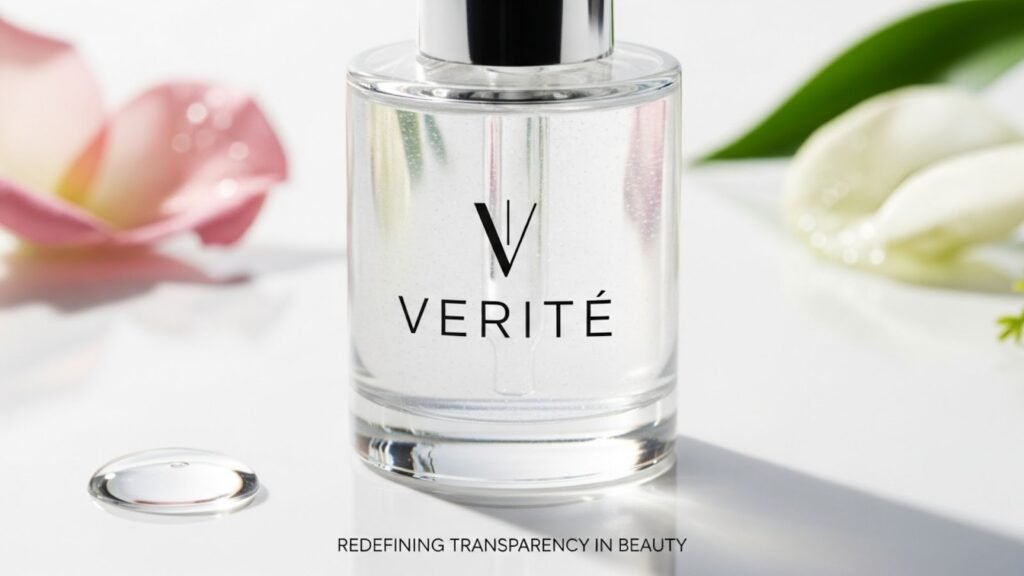
A skincare brand wanted to stand out in a saturated market where competitors relied heavily on polished, glamorous visuals. The brand’s message focused on clean ingredients, honest formulas, and transparency. Their challenge was finding a way to visually communicate purity and authenticity while still producing stylish content that appealed to modern consumers. They came to the photography team wanting a fresh direction for their new product line.
The Creative Approach
The campaign combined clean product photography with conceptual advertising imagery. The product shots were designed to be simple yet absolutely precise, emphasizing textures, glass, and liquid clarity. By using soft diffused lighting, reflections were minimized, and the products appeared pristine. The advertising photography took a different approach, incorporating water, natural textures, and fresh botanical elements. This contrast helped bridge the informational and emotional sides of the brand.
The integration of natural elements was especially powerful because it communicated the idea that what you see in the product is what you get. Instead of styling the images heavily, the creative team let the simplicity of the raw materials shine through. The result was a visual campaign that felt clean without being clinical and artistic without appearing too staged.
The Outcome
The brand saw higher engagement across its website and social platforms because customers connected with the straightforward storytelling. The mix of precise product photography and conceptual advertising made it easier for customers to trust the brand’s claims. This case study demonstrates how important it is to align your visuals with your message. When you’re working with Advertising and Product Photography, consistency between purpose and execution is key.
What You Can Learn
If your brand focuses on transparency, consider allowing the product itself to guide the visual direction. Instead of hiding imperfections, let the textures, colors, or natural ingredients take center stage. This builds trust and strengthens your message. Combining clean product images with simple lifestyle scenes can create a strong emotional connection without overwhelming the viewer.

Case Study 2: The Electronics Brand That Mastered Technical Precision
The Challenge
An electronics brand needed images for a global product launch and wanted visuals that felt futuristic but still clear enough for customers to understand functionality. Many electronics visuals fail because they focus too much on style and forget the practical needs of customers. The brand needed visuals that balanced beauty with usability.
The Creative Approach
The photography team studied the product carefully, breaking down materials, surfaces, and shapes. Because electronics often include reflective metals and screens, lighting becomes one of the biggest challenges. Even slight reflections can distort the product or reveal studio equipment. The team used controlled directional lighting, custom reflectors, matte diffusers, and a multi-shot editing process to create a polished final result.
For the advertising component, the visuals leaned into futuristic themes. The product was photographed in environments that mirrored its intended use, such as modern interiors and tech-driven workspaces. The images told a story about how the device enhances everyday life while still maintaining a sleek and minimalistic aesthetic.
The Outcome
The campaign was used across e-commerce listings, digital ads, and retail packaging. Because the product photography was so detailed, customers had a clear view of buttons, materials, and dimensions, reducing returns and customer service inquiries. The advertising images built desire, while the product photos provided clarity-an ideal pairing for electronics.
What You Can Learn
When dealing with reflective surfaces, patience and technical precision are everything. Many brands rush their visuals and end up with inconsistent lighting, inaccurate colors, or distracting reflections. Investing in a studio with expertise in challenging materials can dramatically improve the final result. You can browse technical photography insights on aitinsider for deeper guidance on controlling reflections, highlights, and metals.
Case Study 3: A Luxury Fashion Brand’s Approach to Emotional Selling
The Challenge
A luxury fashion brand needed visuals that communicated both elegance and authenticity. Luxury photography can easily lean too far into perfection and lose its human touch. The brand wanted something expressive and emotional, without sacrificing the premium look.
The Creative Approach
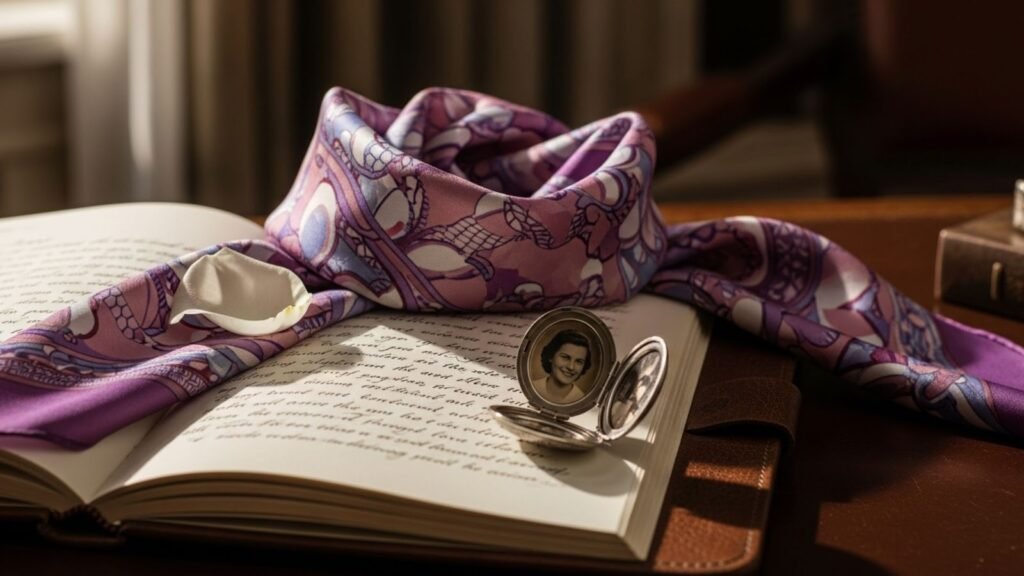
Instead of creating overly staged scenes, the creative team used soft lighting, real environments, and minimal retouching on models. This gave the campaign a sense of intimacy and realism, while still maintaining beauty and style. The product photography stayed clean and structured, with crisp angles and consistent color reproduction.
The advertising campaign leaned into lifestyle storytelling, showing the products in natural, everyday moments. The visuals emphasized movement-flowing fabrics, subtle gestures, and emotional expressions. This helped customers envision how the items fit into their lives.
The Outcome
The campaign received strong engagement because customers found it both relatable and aspirational. The emotional tone helped drive long-term brand loyalty, while the clean product photography provided clarity for shoppers browsing online. This combination is a textbook example of how strong storytelling enhances the impact of advertising imagery.
What You Can Learn
Luxury visuals don’t always require elaborate setups. Sometimes authenticity is more effective than perfection. Letting natural imperfections show can make a brand feel human and approachable, which is valuable even in the luxury sector.
Common Mistakes Brands Make in Advertising and Product Photography
Brands often underestimate how much planning goes into high-quality photography. One common mistake is failing to align visual direction with brand identity. If your messaging communicates simplicity but your visuals are overly complicated, customers will feel disconnected. Another mistake is inconsistent lighting or color across a product line, especially for e-commerce. Even minor differences in white balance can make your catalog look unprofessional.
Another common error is ignoring post-production. Editing isn’t just about removing imperfections; it’s about ensuring your visuals feel consistent across different scenes, products, and campaigns. Under-editing can make images look dull and lifeless, while over-editing can make them feel artificial. Striking the right balance is essential.
Finally, many brands try to reuse the same image everywhere without considering context. What works for a billboard may not work for an online store or social media. Each platform has different requirements, and tailoring your visuals accordingly can significantly improve performance.

How to Apply These Case Study Lessons to Your Own Brand
If you want to create stunning visuals, the first step is understanding your brand’s personality. What emotions do you want to evoke? What story do you want customers to remember? Once you have your message, you can work with a studio to translate that message visually.
When planning a shoot, think about materials, colors, lighting, and environment. Don’t rush the process-great visuals come from intention and careful execution. If you’re unsure where to start, you’ll find helpful guides on aitinsider, including topics about creative direction, product styling, and image editing.
Remember that different campaigns may require different approaches. A product launch might need crisp, detailed photography, while a lifestyle campaign may focus more on emotion and atmosphere. Understanding when to use each type of visual can help you tell a complete story that resonates with buyers.
Final Thoughts and How aitinsider Can Help
Seeing how other brands use imagery can spark ideas and help you avoid common mistakes. The case studies in this article show that successful campaigns balance technical skill with thoughtful creative direction. Whether your brand focuses on minimalism, luxury, technology, or natural products, the principles are the same: clarity, storytelling, consistency, and emotion.
If you’re working on a new campaign or updating your product visuals, remember that editing plays a huge role in bringing everything together. At aitinsider, our image editing team helps brands enhance their advertising and product photography with clean, consistent, professional results. Whether you’re refining a catalog, preparing campaign images, or improving existing visuals, our editing support can help you present your products with confidence and clarity.
Whenever you’re ready to elevate your visuals, our team is here to help you bring your creative ideas to life.