
Underwater photography is one of the most mesmerizing and technically challenging forms of photography. When you dive below the surface, you enter a world filled with color, motion, and mystery – but capturing that magic through your camera lens isn’t as simple as clicking the shutter. Water absorbs light, color fades fast, and without the right lighting, your beautiful reef scene might come out looking flat and blue. That’s where strobes come in – and in this guide, we’ll explore everything you need to know to find the best strobes for underwater photography in 2025.
Think of a strobe as your personal sunlight beneath the waves. It restores color, freezes action, and gives your images that crisp, lively look that ambient light alone can’t achieve. Whether you’re shooting playful dolphins, tiny macro critters, or a vast coral landscape, the right strobe will completely transform your results. The goal of this guide isn’t just to show you which models stand out this year – it’s to help you understand what makes a great underwater strobe and how to choose one that truly fits your style and needs.
Why Strobes Matter More Than You Think
If you’ve ever taken your camera underwater without a strobe, you probably noticed how quickly colors disappear. At just a few meters deep, reds fade first, then oranges and yellows, leaving behind mostly blues and greens. What your eyes see isn’t what your camera captures – and that’s why even the best cameras need extra help. The best strobes for underwater photography reintroduce those missing colors by providing a burst of full-spectrum light that cuts through the water and lights your subject perfectly.
Another big reason strobes matter is sharpness. Underwater, there’s constant movement – you’re floating, your subject is drifting, and even the water itself is shifting. Strobes freeze that motion. With the right strobe setup, you can shoot at faster shutter speeds and lower ISO values, giving you clearer, noise-free images.
Finally, strobes give you creative control. Want soft light that gently wraps around your subject? Use diffusers. Want drama and contrast? Move your strobe to the side for directional lighting. Once you learn how to use your strobes effectively, you’re no longer just documenting the underwater world – you’re creating art.
What Makes a Strobe “the Best”?
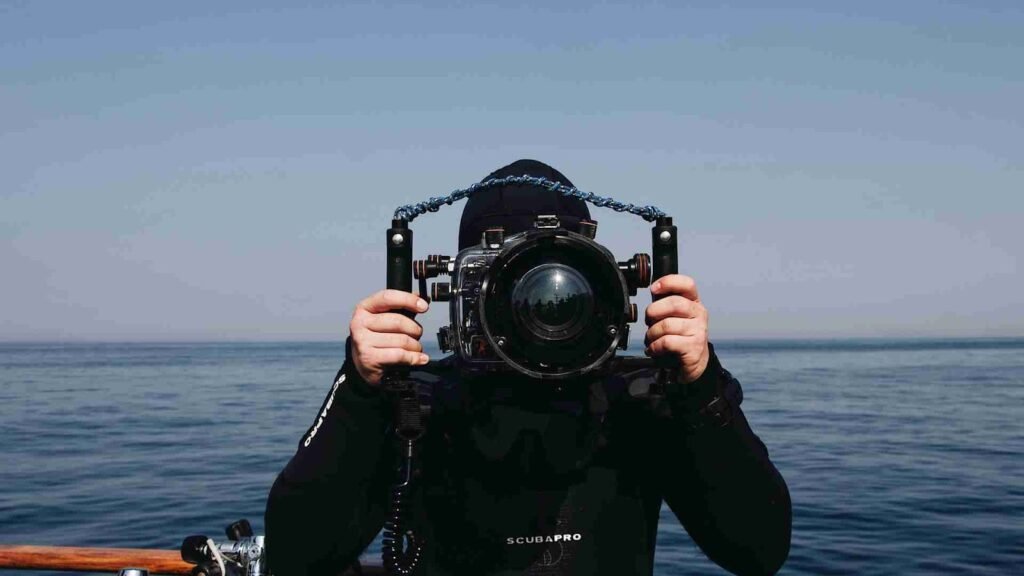
Now that you understand why lighting matters so much underwater, let’s look at what separates an average strobe from one of the best strobes for underwater photography. Not every diver has the same goals – a wide-angle reef photographer and a macro shooter have very different lighting needs – but a few characteristics make certain strobes stand out across the board.
Power is the first one. Measured in watt-seconds or guide numbers, the power of a strobe determines how much light it can deliver. A high-power strobe is perfect for wide-angle scenes, where you’re trying to light big subjects or large areas of reef. For macro photography, where your subject is only inches away, less power is fine – what matters more is control and even coverage.
Next is recycle time – the time your strobe needs before it’s ready to fire again. The best strobes for underwater photography recycle in a fraction of a second, allowing you to shoot multiple frames quickly without waiting. This is a game-changer for photographing fast-moving subjects like turtles, fish schools, or manta rays.
Beam angle is another critical feature. A wide beam (over 100 degrees) ensures even illumination across your frame, which is especially useful for wide-angle photography. Narrow beams are better for macro, where you want to highlight your subject without lighting up the background.
Durability also plays a massive role. Remember, you’re diving with this equipment – it’s exposed to saltwater, pressure, and physical knocks. The best strobes for underwater photography are built to handle the elements, with strong housings, corrosion-resistant materials, and reliable seals. A leak underwater doesn’t just ruin your gear; it can end your dive day.
Finally, there’s usability. Buttons and dials must be easy to adjust with gloves on. The interface should be intuitive, and the mounting system should balance well with your housing. These small details make a big difference when you’re underwater, focused on composition rather than fumbling with settings.
Matching a Strobe to Your Photography Style
One of the biggest mistakes new underwater photographers make is assuming the most expensive strobe automatically equals the best choice. In reality, the best strobes for underwater photography are the ones that match your needs.
If you mostly shoot macro – think tiny nudibranchs, seahorses, or coral polyps – your ideal strobe will be compact, lightweight, and quick to recycle. You’ll benefit from fine-grained manual control, allowing you to dial down the power for subtle lighting. Twin strobes aren’t always necessary for macro, but they can add flexibility.
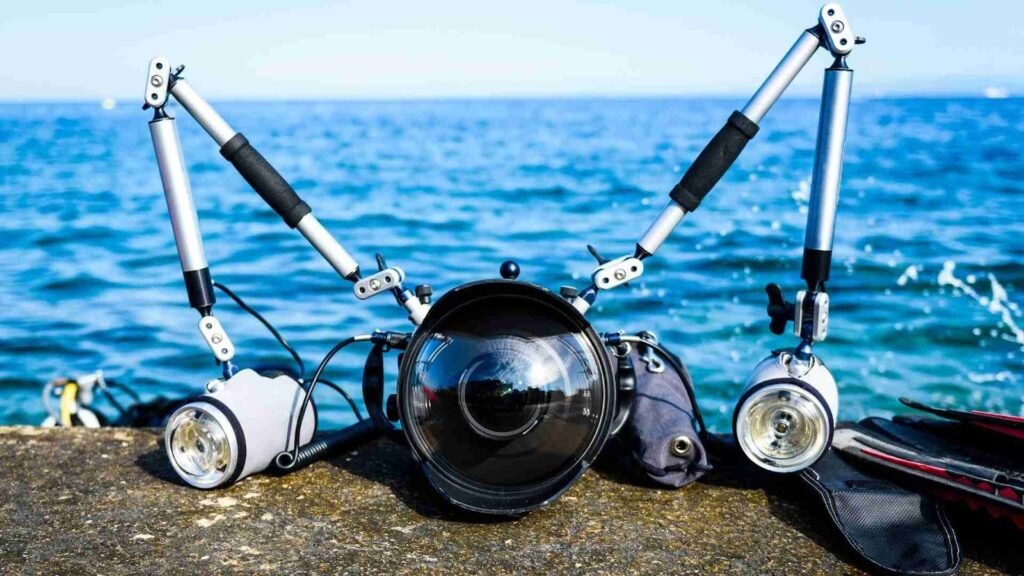
Wide-angle shooters, on the other hand, need bigger beams and more power. When you’re photographing sharks, wrecks, or sweeping reef scenes, your subjects are often further away and larger in scale. In these cases, dual strobes are almost essential. You’ll want strong output, wide coverage, and even light distribution to avoid harsh hot spots in the frame.
Then there are hybrid shooters – divers who switch between macro and wide-angle in the same trip. For them, versatility is key. Look for a strobe that offers variable power settings, removable diffusers, and a balance between strength and size. A mid-sized strobe with a fast recycle time and reliable TTL (through-the-lens) capability can make life much easier.
How Many Strobes Do You Really Need?
Another common question among underwater photographers is: “Should I use one strobe or two?” The answer depends on your goals.
A single strobe can work beautifully for macro and close-focus subjects. It’s lighter, easier to travel with, and simplifies your setup. However, using one strobe can limit your lighting angles and may create shadows that don’t always flatter your subject.
Two strobes give you more creative control. You can balance the light on both sides of your subject, create even illumination, or experiment with directional light for drama. If your budget allows, two strobes open up a world of possibilities – but remember, more gear means more complexity, more maintenance, and more to manage underwater.
In the end, the best strobes for underwater photography setup isn’t about how many strobes you have – it’s about how well you use them. Even one well-positioned, properly adjusted strobe can outperform a poorly placed pair.
The Learning Curve and Practice
There’s a saying among underwater photographers: “Strobes don’t make great photos – photographers do.” It’s true. Even the best strobes for underwater photography won’t deliver perfect shots until you learn how to position them properly.
Backscatter – those annoying white specks that appear in your photos – happens when your strobe light bounces off particles in the water. The secret to reducing it lies in positioning. By angling your strobes slightly outward, so their beams cross in front of your subject rather than directly into your lens, you can significantly cut down on backscatter.
You’ll also want to experiment with distance. Water eats up light faster than air, so keep your subject close whenever possible. Even the most powerful strobes have limited range. The closer you are, the richer your colors will be, and the less light you’ll need to add.
Patience pays off here. As you practice, you’ll start to notice how light interacts with your subjects – how different positions affect texture, shadow, and mood. Over time, adjusting strobes becomes second nature, and that’s when your underwater photography really starts to shine.
Top Picks for the Best Strobes for Underwater Photography in 2025
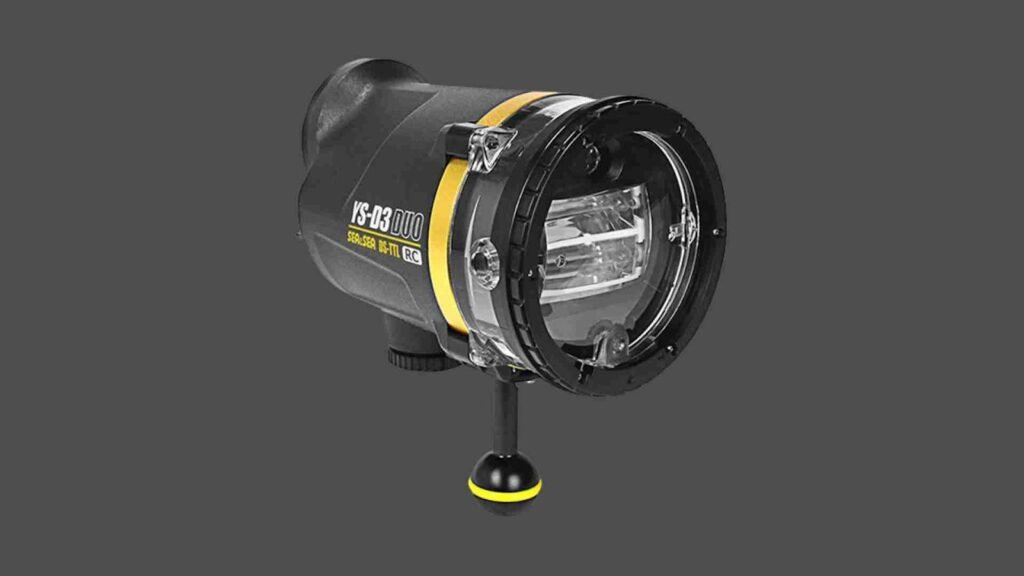
1. Sea & Sea YS-D3 – The Professional’s Powerhouse
If you’re aiming for professional-level results underwater, the Sea & Sea YS-D3 stands out as one of the best strobes for underwater photography. It’s a favorite among experienced divers thanks to its strong output, wide coverage, and reliable performance in deep or low-light conditions. Built with durability and precision, it’s designed to deliver beautiful, even lighting across wide scenes.
Pros:
- Strong output and wide beam coverage – ideal for wide-angle underwater scenes.
- Proven build with excellent durability for demanding dive conditions.
- Adjustable power settings for both close and distant subjects.
Cons:
- Heavier and bulkier than compact models.
- Premium pricing.
- Battery compartment design could be smoother.
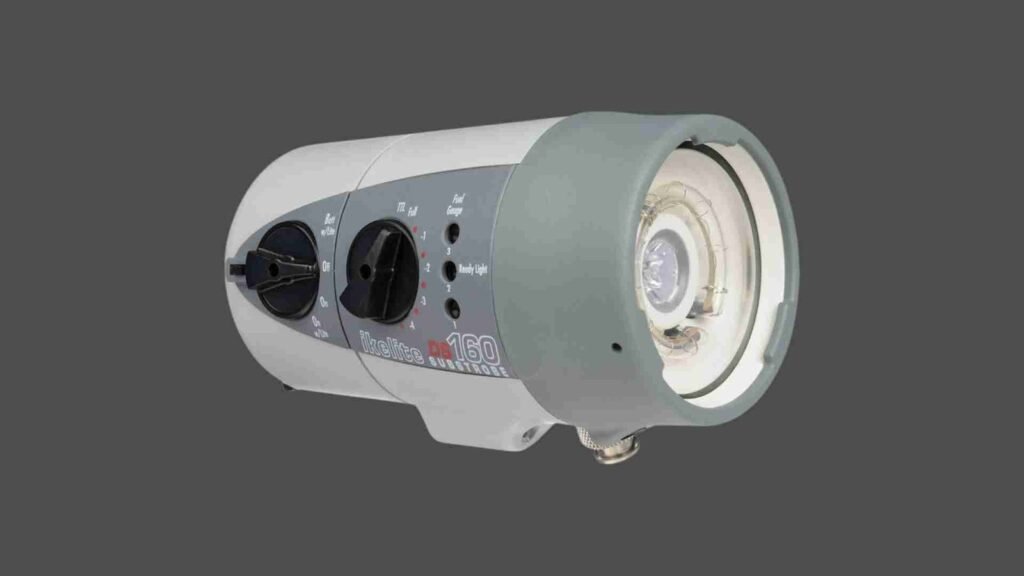
2. Ikelite DS160 – Reliable Power with a Natural Look
The Ikelite DS160 is a trusted favorite for photographers seeking dependable light output and natural color rendering underwater. It offers a warm, pleasing tone that restores vibrancy to marine subjects while remaining versatile enough for both macro and moderate wide-angle photography.
Pros:
- Excellent value for its power and performance.
- Reliable and compatible with many housings.
- Works well for mixed shooting styles (macro + wide).
Cons:
- May struggle for very large or distant subjects.
- Slightly slower recycle speed than top-tier models.
- Bulkier battery system compared to compact strobes.
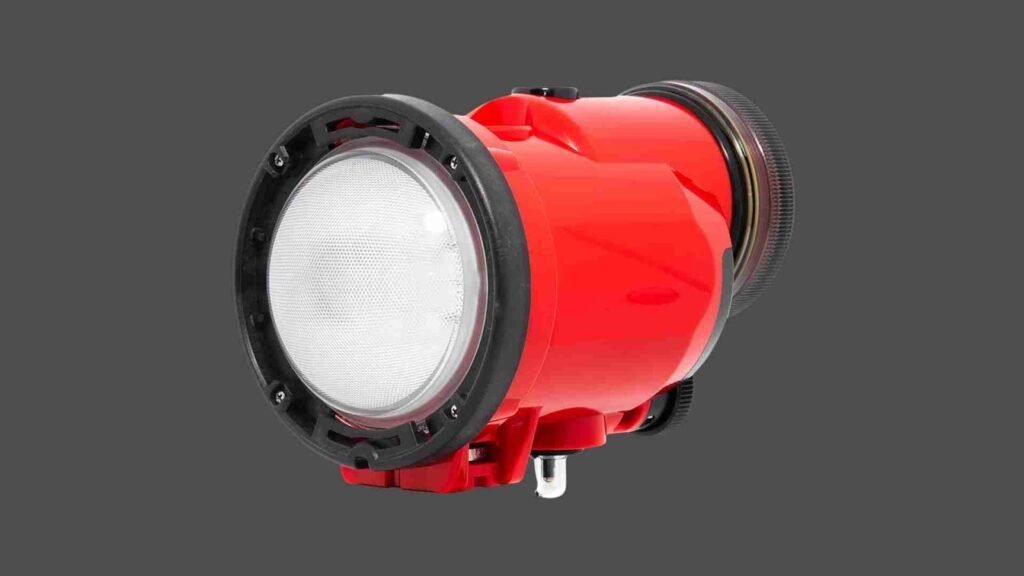
3. Inon S-220 – Compact Power for Everyday Diving
Lightweight, easy to carry, and incredibly reliable, the Inon S-220 strikes the perfect balance for divers who want flexibility without excess bulk. It delivers smooth, even lighting and is great for photographers who switch between macro and moderate wide-angle setups during a single dive.
Pros:
- Broad beam coverage and consistent light output.
- Compact and travel-friendly design.
- Excellent for mixed shooting styles (macro and moderate wide).
Cons:
- Limited power for large or deep-depth scenes.
- May not fully satisfy pro wide-angle shooters.
- Still a significant investment for its class.
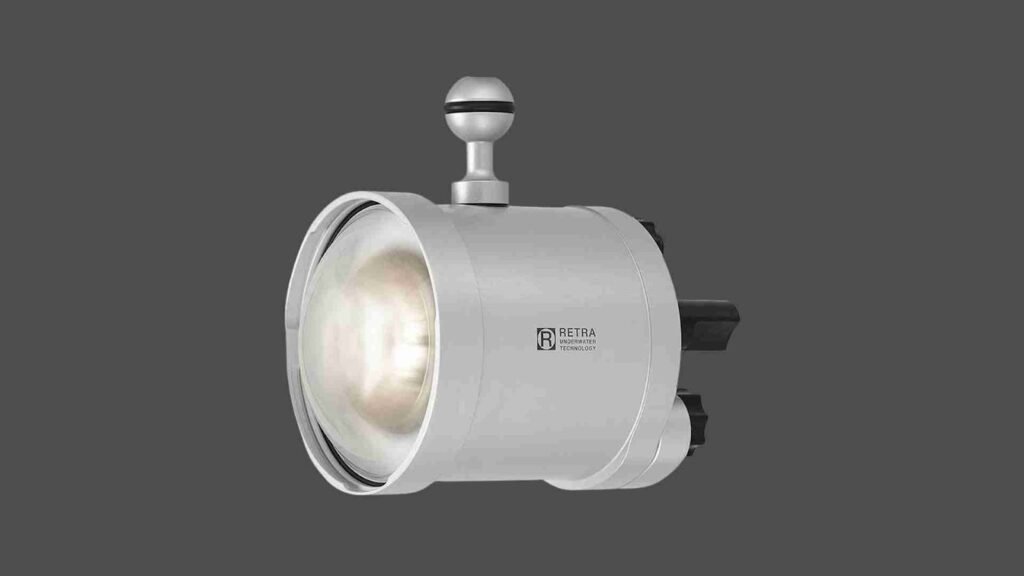
4. Retra Flash / Flash Pro Max – Elite Light for Perfectionists
When it comes to pure performance, the Retra Flash or Flash Pro Max series are easily among the best strobes for underwater photography in 2025. Known for their premium build, refined control systems, and flawless beam quality, these strobes are built for professionals who expect studio-grade lighting below the surface.
Pros:
- Premium construction with outstanding light uniformity.
- Excellent power and wide coverage for pros.
- Advanced features for fine-tuned control underwater.
Cons:
- Very expensive.
- Heavier and more complex than most alternatives.
- Requires a bit of a learning curve for beginners.
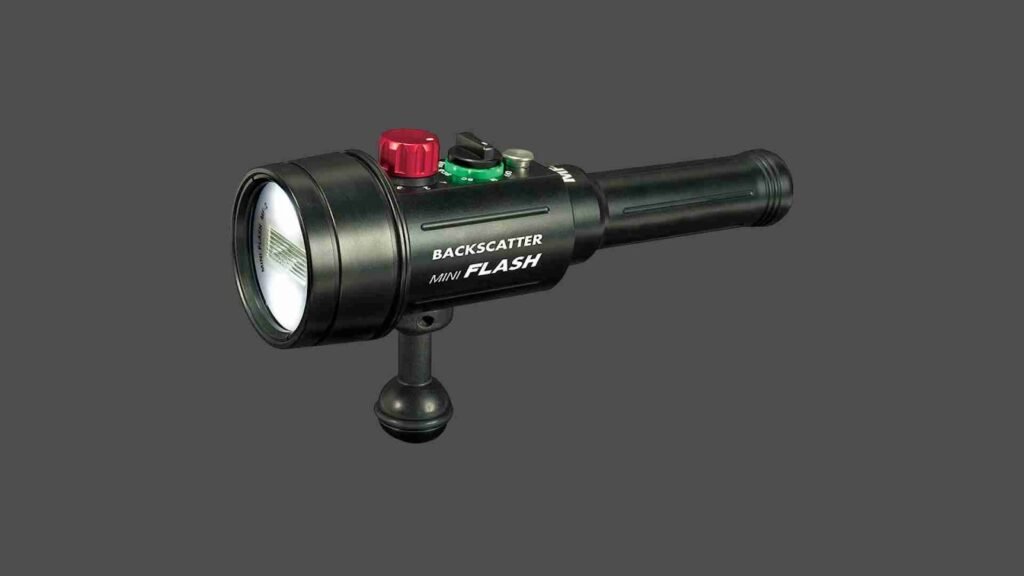
5. Backscatter MF-2 – The Macro Photographer’s Dream
For close-up enthusiasts, the Backscatter MF-2 is one of the best strobes for underwater photography focused on macro shooting. Compact, efficient, and travel-friendly, it’s tailored to capture the delicate details of small underwater creatures with precision and color accuracy.
Pros:
- Perfect for macro and close-up subjects.
- Lightweight and efficient design.
- Excellent value for macro-focused photographers.
Cons:
- Not ideal for wide-angle or large subjects.
- Narrower beam requires careful positioning.
- Limited output range beyond its design purpose.
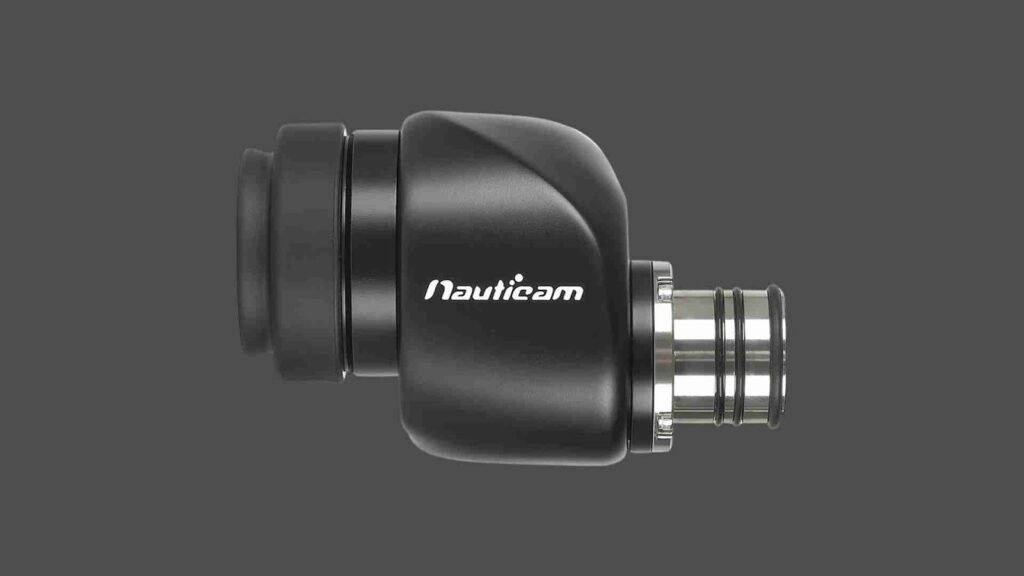
6. Nauticam NA-180 – Compact Strength for Everyday Shooters
The Nauticam NA-180 is designed for divers who want a capable strobe that’s light enough for travel but powerful enough for reliable, everyday underwater shooting. It’s great for balancing portability with practical lighting coverage.
Pros:
- Compact and travel-friendly size.
- Balanced performance for macro and moderate wide-angle.
- Ideal for photographers who want flexibility without heavy gear.
Cons:
- Lower power output than high-end units.
- Narrower beam coverage without accessories.
- Some trade-offs in features compared to pro-grade strobes.
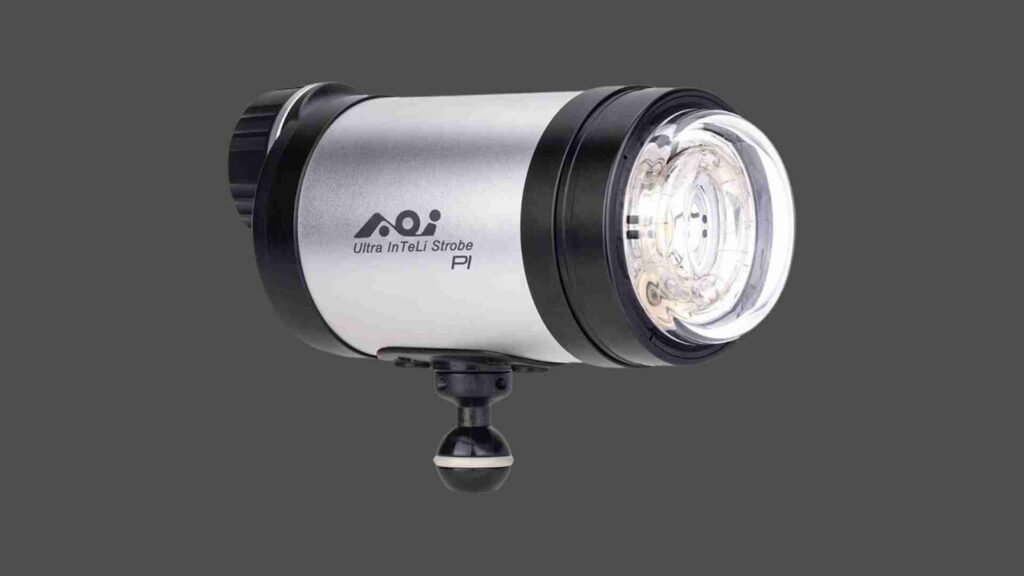
7. AOI UIS-P1 Ultra InTeLi – The Tech-Savvy Performer
The AOI UIS-P1 Ultra InTeLi strobe is built for enthusiasts who want power, range, and modern features. With smart control systems and a wide beam angle, it’s perfect for those looking to capture both large seascapes and intricate macro life.
Pros:
- High output with excellent beam coverage.
- Suitable for all shooting styles – macro, wide, or mixed.
- Strong, durable build designed for deep and demanding dives.
Cons:
- High price tag.
- Slightly heavier and more complex for beginners.
- May need fine-tuning to unlock full potential.
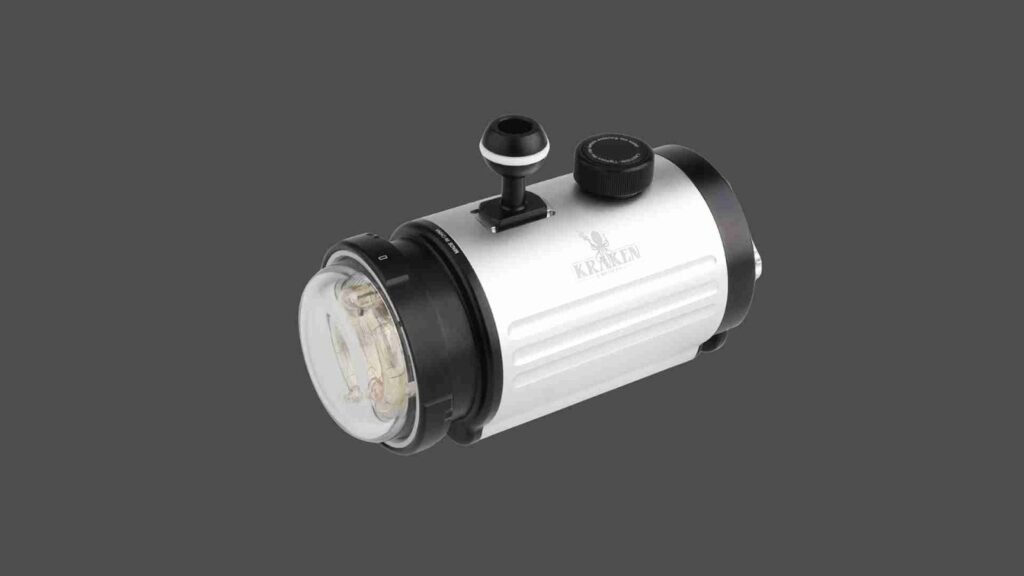
8. Kraken Sports KS160 – Performance Meets Value
The Kraken Sports KS160 strikes an impressive balance between raw power and affordability, making it one of the best strobes for underwater photography for budget-conscious pros. Its powerful 160 Ws output makes it great for wide-angle reef scenes and dynamic action underwater.
Pros:
- Exceptional power for its price.
- Wide beam angle suitable for wide-angle shooting.
- Solid build with good underwater handling.
Cons:
- Less established brand – support availability may vary.
- Limited accessories compared to legacy brands.
- Still not as refined as ultra-premium models.
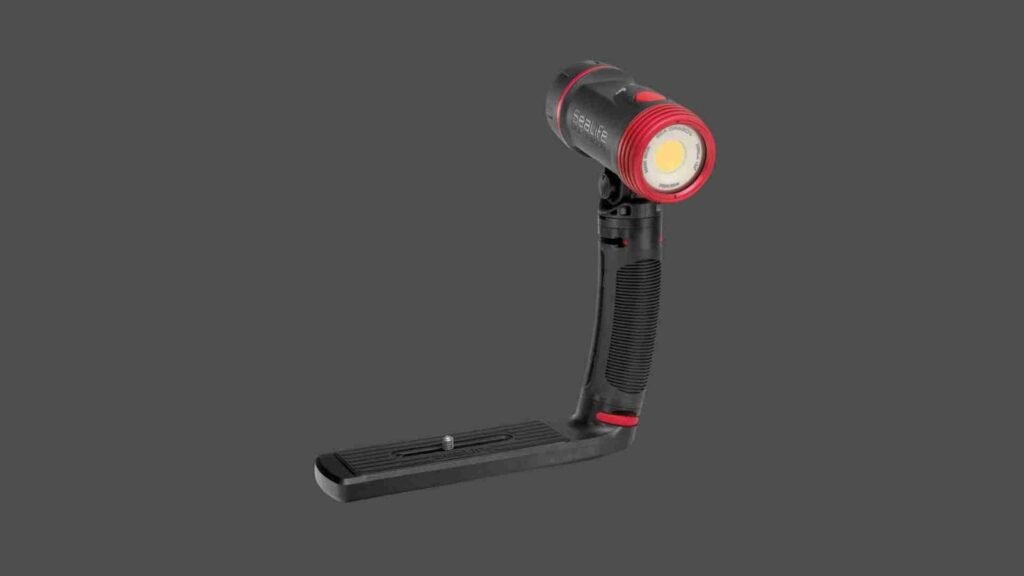
9. SeaLife Sea Dragon – All-in-One Lighting Flexibility
The SeaLife Sea Dragon series is ideal for divers who want a full lighting solution rather than just a flash. It’s perfect for hybrid shooters working with both stills and video underwater. With bright output and dependable performance, it brings color and vibrancy back to your underwater footage and images.
Pros:
- Great for both photo and video use.
- Reliable and easy-to-operate design.
- Excellent choice for wide-angle reef and travel photography.
Cons:
- Heavier, especially in full lighting kits.
- May include features unnecessary for pure photographers.
- Slightly complex setup compared to simple flash units.
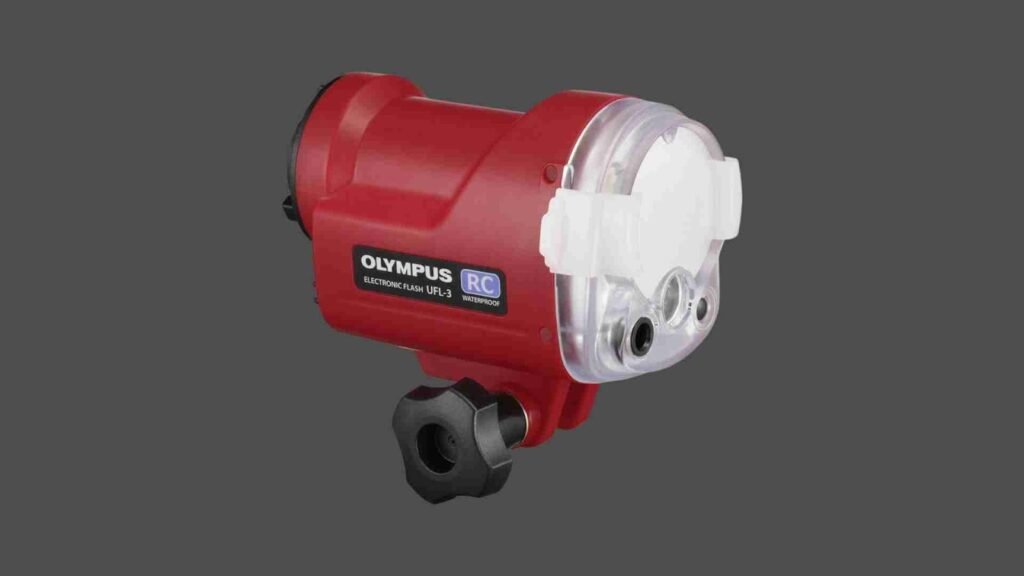
10. Olympus UFL-3 – The Lightweight Starter Strobe
The Olympus UFL-3 is perfect for divers who are just starting out with underwater photography. Compact, easy to use, and surprisingly capable, it provides quick recycling times and dependable light for compact camera systems. It’s one of the best strobes for underwater photography if you want something lightweight yet effective.
Pros:
- Compact and beginner-friendly.
- Fast recycle time for quick shots.
- Great for travel and smaller camera systems.
Cons:
- Limited power and beam spread.
- Requires precise positioning for best results.
- Not ideal for deep dives or large subjects.
Which Strobe Is Best for You?
Choosing the right gear is about understanding your needs, not just your budget. Let’s break down a few buyer personas that might help you decide which type of strobe fits you best.
If you’re new to underwater photography, simplicity and reliability should come first. Look for a strobe that’s easy to operate with big, glove-friendly dials and clear indicators. You don’t need the most expensive unit on the market yet – just something durable, dependable, and bright enough for shallow to mid-depth dives. As you gain experience, you’ll appreciate strobes with more power levels, faster recycling, and precise manual control.
If you’re an intermediate photographer, versatility should be your focus. You’ve learned the basics of positioning, and now you want creative flexibility. You’ll want a strobe that offers both TTL and manual options, has adjustable beam angles, and delivers smooth, even lighting. The best strobes for underwater photography in this range let you experiment – whether you’re shooting wide reef scenes or intimate macro.
Professional photographers, on the other hand, know that their strobes are their lifeline. For them, reliability and color accuracy are non-negotiable. They often invest in two identical strobes to maintain balanced lighting and ensure redundancy if one fails mid-dive. These top-tier models are built from premium materials, with extra safety features like thermal protection and leak indicators. The difference shows in the results – richer tones, faster shooting, and zero lag between frames.
So before you buy, think about how you dive. Are you exploring coral gardens on vacation or capturing images for magazines and exhibitions? The best strobes for underwater photography for you are the ones that complement your workflow, not complicate it.
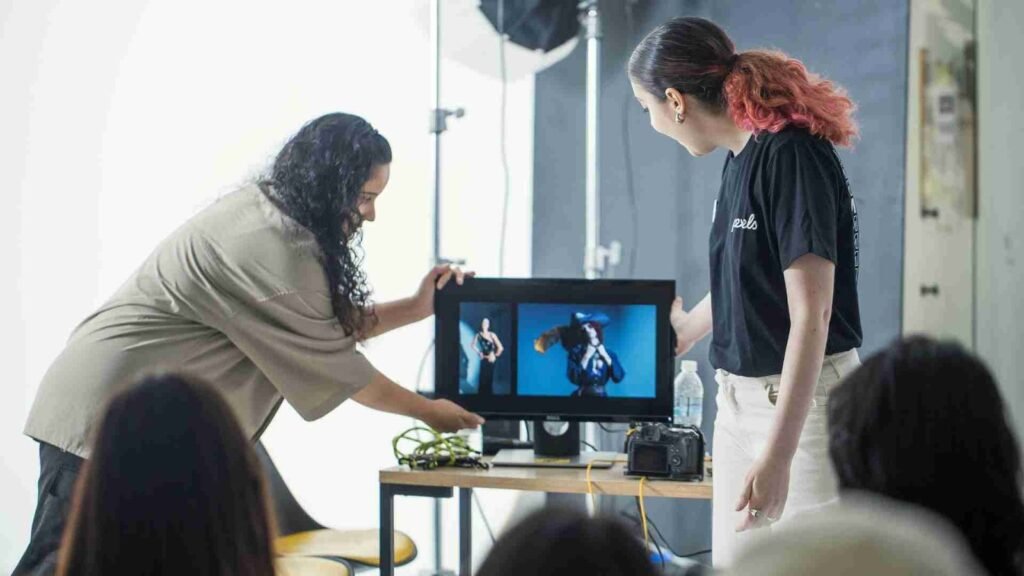
The Art of Strobe Positioning
Owning a great strobe is only half the equation. Knowing how to position it underwater can transform your photos from flat to phenomenal.
When you’re underwater, light behaves differently than on land. It scatters more quickly and bounces off tiny particles suspended in the water. That’s why so many beginner photos end up filled with white specks – that’s backscatter. The way you angle your strobes can make all the difference.
For wide-angle scenes, start by positioning your strobes slightly behind the front of your camera housing and angle them outward at roughly 45 degrees. This setup prevents light from traveling straight in front of your lens, which minimizes backscatter. For macro photography, bring your strobes closer and angle them inward slightly to create a soft, even glow that highlights textures and fine details.
Another key factor is distance. The closer your subject, the less light you need – and the better your color reproduction will be. Remember, water absorbs light intensity very quickly, so even the best strobes for underwater photography can’t fully compensate if your subject is too far away. The ideal shooting range is usually between half a meter to one meter for the most vibrant results.
As you practice, you’ll start to see how tiny adjustments in angle or distance can change the mood of your images. Shadows can add dimension, side-lighting can emphasize texture, and diffused frontal light can make colors pop. Underwater lighting is part science, part art – and once you get the hang of it, it’s one of the most rewarding creative tools you’ll ever use.
Battery Life and Maintenance
Another important consideration when evaluating the best strobes for underwater photography is battery life. Deep dives often limit your shooting time, and the last thing you want is for your strobe to die just as you spot the perfect subject.
Modern strobes often use high-capacity rechargeable lithium-ion batteries or sets of standard AA batteries. Lithium packs tend to last longer and recycle faster but can be more expensive to replace. Whichever you choose, always carry spares on multi-dive days. Some photographers even label their batteries to track usage cycles and prevent surprises mid-trip.
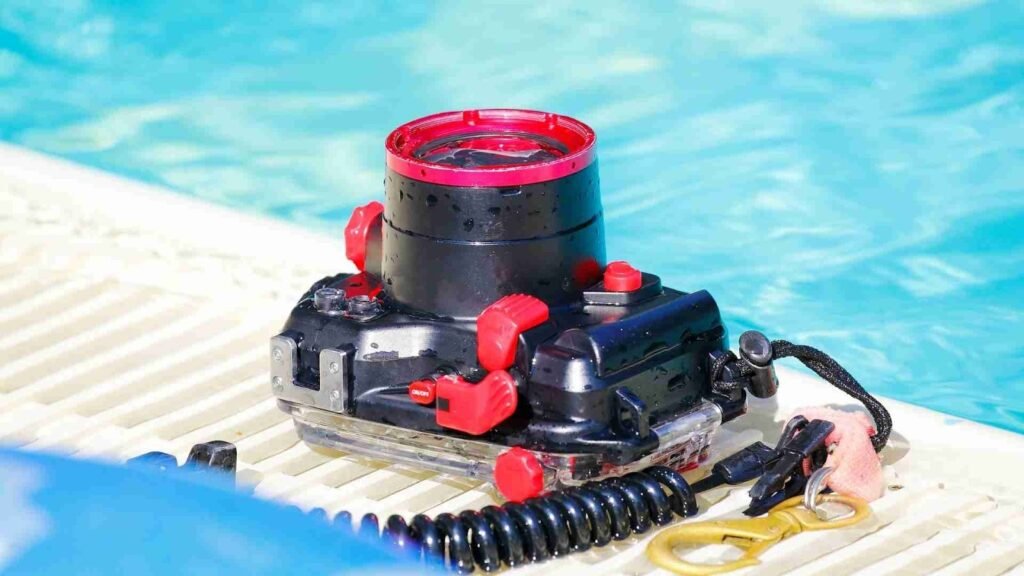
Maintenance, too, is crucial. Saltwater is harsh, and even the toughest materials will suffer without proper care. After every dive, rinse your strobe thoroughly in fresh water and work the buttons to flush out salt deposits. Check O-rings regularly and apply a thin coat of silicone grease to prevent drying or cracking. These simple habits will ensure your equipment lasts for years and continues to perform reliably.
Wide-Angle vs. Macro: How Lighting Changes Everything
Lighting for wide-angle photography underwater is dramatically different from lighting for macro. Understanding these distinctions helps you get the most from the best strobes for underwater photography you choose.
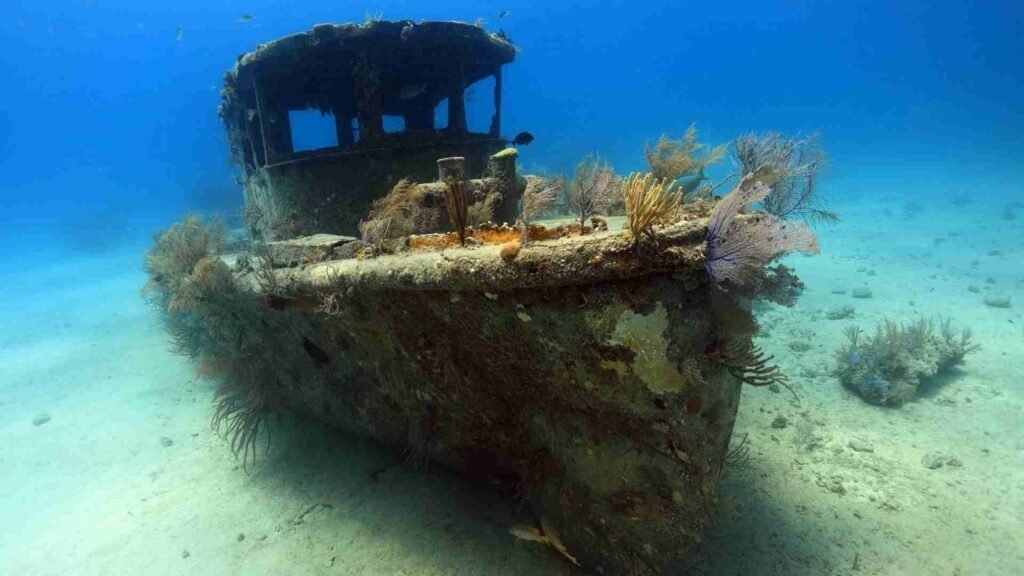
In wide-angle photography, you’re trying to light large subjects or scenes – a manta ray gliding through blue water, a diver silhouetted against coral, a shipwreck resting in the deep. Your goal is to bring color and clarity to a broad area without overexposing the nearest objects. Two strobes positioned wide apart help you achieve even coverage. You’ll typically shoot at mid-power settings to balance ambient light with strobe light, preserving the natural feel of the background water.
Macro photography is far more intimate. You’re close to your subject, often just inches away. Here, strobes serve to reveal fine textures and vibrant micro-details. Because your light doesn’t need to travel far, lower power settings work best, and the emphasis shifts to control rather than intensity. Soft light, subtle highlights, and precise direction become your artistic tools.
Each style benefits from specific accessories – diffusers for softening light, snoots for focusing beams, and arms for fine-tuning placement. As your confidence grows, you’ll learn that the best strobes for underwater photography are the ones that respond predictably to these adjustments, allowing you to shape light like a painter with a brush.
Why Color Temperature Matters
A detail many beginners overlook is color temperature – the “warmth” or “coolness” of the light your strobe produces. Underwater, where natural light tends to be blue, a slightly warmer strobe can bring out reds and yellows beautifully. Most strobes fall between 4800 K and 5500 K, similar to daylight.
Choosing a strobe with consistent color temperature ensures that your photos have accurate and vibrant tones straight out of the camera. Even small inconsistencies can make post-processing more difficult. The best strobes for underwater photography maintain color stability across the entire power range, so whether you’re shooting at full or quarter power, your results look the same.
If you prefer creative flexibility, consider a strobe that supports color filters or gels. These can help you correct color shifts at greater depths or create unique artistic effects. Warm gels can add golden hues to coral reefs, while cool filters can emphasize the mood of deep-blue dives.
Getting the Most Out of Your Images
Once you’ve captured your underwater shots, the journey doesn’t end when you surface. Even with the best lighting, your raw files often need a little polish to truly shine. That’s where post-processing comes in – and it’s a huge part of professional underwater photography.
Color correction is usually the first step. Even the best strobes for underwater photography can’t fully counteract the subtle blue cast that water adds. Adjusting white balance, enhancing contrast, and recovering highlights can bring your image back to life. Removing backscatter is another critical step; those tiny particles can be distracting, but with careful retouching, they disappear completely.
If you’re serious about your results, you might want to leave the editing to professionals. That’s exactly where our team at aitinsider.com can help. We specialize in photo retouching and image enhancement for photographers – including underwater shooters. From color grading to background cleanup, we make sure every detail looks perfect while keeping the natural beauty of your dive intact.
The Bottom Line
Underwater photography is more than a hobby – it’s a passion that lets you bring the unseen world to the surface. Investing in the best strobes for underwater photography is one of the smartest choices you can make if you want to elevate your craft. It’s not just about brightness or specs; it’s about control, reliability, and how your lighting supports your creative vision.
When you pair the right strobe with proper technique and post-processing, your underwater images will go from simple snapshots to breathtaking works of art. And remember, your equipment doesn’t have to be the most expensive – it just needs to fit your needs, your diving style, and your goals.
If you’re ready to make your photos stand out even more, visit aitinsider.com today. We’ll help you refine your underwater images with professional editing that enhances color, depth, and clarity – so every dive you capture tells its story in vivid detail.